

How to become a radiologist is a question many aspiring healthcare professionals ask when considering a career in medical imaging and diagnostics. Radiologists play a vital role in identifying diseases, guiding treatments, and saving lives all through the power of technology and precision. But the path to becoming a radiologist isn’t something you can figure out overnight. It involves years of education, training, and licensing. In this comprehensive guide, we’ll walk you step by step through everything you need to know from what a radiologist does, to the qualifications required, to the job outlook so you can make an informed decision about whether this high-impact medical career is right for you.
Table of Contents
What Does a Radiologist Do?

A radiologist is a licensed medical doctor (MD or DO) who specializes in diagnosing and sometimes treating diseases and injuries using medical imaging. These imaging techniques include:
- X-rays
- CT (Computed Tomography) scans
- MRI (Magnetic Resonance Imaging)
- Ultrasound
- PET (Positron Emission Tomography) scans
- Mammography
- Fluoroscopy
While the work of a radiologist may not involve direct, hands-on treatment like a surgeon or general physician, their expertise is essential to nearly every medical specialty.
Key Responsibilities of a Radiologist:
1. Interpret Medical Images
Radiologists review and analyze images captured by radiologic technologists and imaging machines. They look for signs of diseases such as tumors, fractures, infections, blood clots, or organ damage.
2. Provide Diagnostic Reports
Once an image is analyzed, the radiologist writes a detailed report outlining their findings. This report is sent to the referring physician, who uses it to make treatment decisions.
3. Consult with Other Doctors
Radiologists often work behind the scenes, but their role includes frequent communication with other physicians. They help confirm or rule out diagnoses, suggest additional imaging if needed, and guide clinical decisions.
4. Perform Image-Guided Procedures
Some radiologists, especially interventional radiologists, use imaging to guide them during minimally invasive procedures. These procedures may include:
- Inserting catheters
- Draining abscesses
- Placing stents
- Performing biopsies
- Treating blood vessel blockages or tumors
5. Emergency Response
In trauma cases, radiologists are often called upon to read scans quickly and accurately. Their expertise is crucial in diagnosing internal bleeding, broken bones, or organ damage in emergency situations.
6. Stay Current with Evolving Technology
Radiology is a high-tech field. Radiologists must stay updated with new software, artificial intelligence tools, imaging methods, and industry standards. Many continually pursue additional training and certifications.
A Day in the Life of a Radiologist
Depending on their specialization and work setting, a typical day for a radiologist might involve:
- Reviewing 50–100+ imaging studies
- Dictating and editing diagnostic reports
- Attending multidisciplinary meetings with other specialists
- Performing or assisting with image-guided procedures
- Consulting with physicians via phone, video, or electronic health records
- Participating in quality control and safety assessments
Some radiologists work standard business hours, while others work night shifts or weekends—especially those in hospitals or teleradiology roles.
Behind-the-Scenes Heroes of Medicine
Though patients rarely meet them face-to-face, radiologists are the behind-the-scenes experts whose insights make accurate diagnosis and effective treatment possible. Their findings can detect cancer at an early stage, uncover hidden injuries, or rule out life-threatening conditions—all without invasive surgery.
In short, radiologists serve as the eyes of modern medicine, using imaging to illuminate what can’t be seen with the naked eye.
Is Radiology the Same as a Radiologic Technologist?
No. This is a common confusion.
- A radiologist is a medical doctor who interprets medical images.
- A radiologic technologist (or radiographer) is the person who operates the imaging equipment.
Both careers are important, but becoming a radiologist requires significantly more education and training.
Why Choose Radiology as a Career?
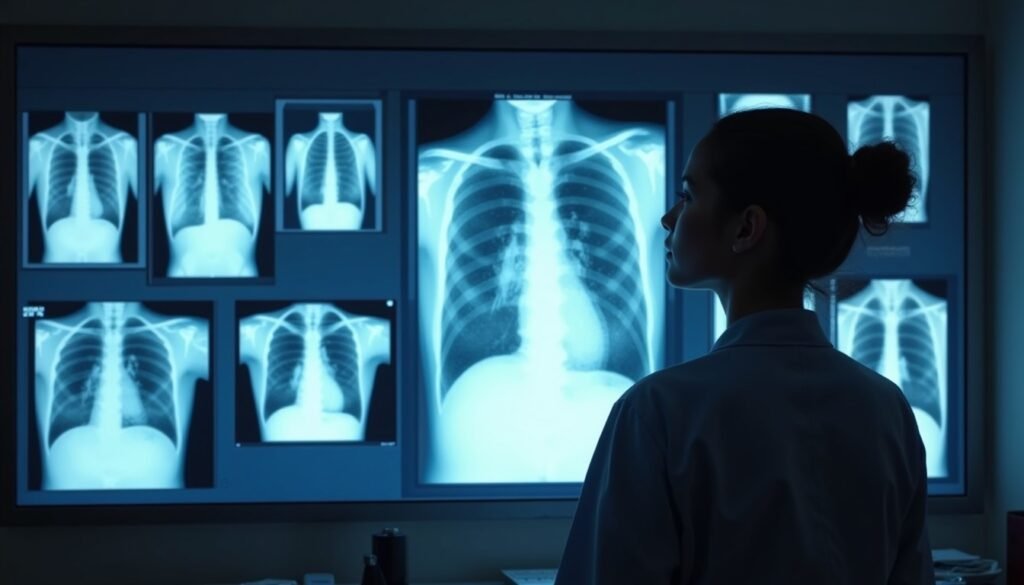
Choosing a career in radiology is not only about working with high-end technology; it’s about making a meaningful impact on people’s lives every day. Radiologists are essential players in the healthcare system, helping doctors diagnose and manage illnesses that could otherwise go unnoticed.
If you’re wondering whether this is the right path for you, here are some compelling reasons why radiology is a rewarding, exciting, and future-focused career choice.
1. High Demand and Job Stability
Radiology is one of the most in-demand specialties in the medical field. With the increasing use of diagnostic imaging in healthcare, hospitals, clinics, and diagnostic centers around the world rely heavily on radiologists.
- The aging global population is increasing the need for diagnostic services.
- Modern treatments often require precise imaging to track disease progression.
- Teleradiology is expanding job opportunities across regions and countries.
Job stability is high, and qualified radiologists are unlikely to struggle finding work.
2. Excellent Earning Potential
Radiologists are among the highest-paid medical professionals. In the United States, average annual salaries range from $350,000 to over $500,000, depending on experience, location, and subspecialty. Interventional radiologists and those in private practice often earn even more.
This makes radiology an attractive option for those who are willing to invest in long-term education and training in return for financial security.
3. Work with Cutting-Edge Technology
If you’re someone who loves science, innovation, and tech, radiology is a perfect fit. Radiologists use some of the most advanced tools in medicine, including:
- MRI machines
- CT scanners
- 3D imaging software
- AI-powered diagnostic tools
The field continues to evolve, giving you the opportunity to stay on the frontier of medical technology throughout your career.
4. Diverse Career Options and Subspecialties
Radiology isn’t a one-size-fits-all career. You can tailor your path based on your interests and strengths. Common subspecialties include:
- Interventional Radiology – Performing minimally invasive procedures
- Neuroradiology – Focusing on the brain and spinal cord
- Pediatric Radiology – Specializing in infants and children
- Musculoskeletal Radiology – Focusing on bones and joints
- Breast Imaging – Detecting breast cancer and abnormalities
- Oncologic Radiology – Monitoring cancer development and treatment
Each path offers different experiences, work environments, and levels of patient interaction.
5. Flexibility in Work Environment
Radiologists can work in a variety of settings, including:
- Public hospitals
- Private clinics
- Imaging centers
- Academic institutions
- Remote (teleradiology)
Thanks to digital imaging and remote technology, many radiologists are able to work from home or provide services to facilities in other regions, offering great flexibility and work-life balance.
6. Intellectual Stimulation
Radiology is a highly analytical field. Every image is a puzzle, and radiologists must use critical thinking and attention to detail to identify patterns and abnormalities.
For individuals who enjoy solving complex problems, analyzing data, and constantly learning, radiology offers a deeply stimulating work environment.
7. Make a Life-Changing Impact
Although radiologists may not always interact directly with patients, their work has a tremendous impact on health outcomes. From detecting cancer in its earliest stages to identifying internal bleeding after trauma, radiologists help physicians make accurate, potentially life-saving decisions.
You may not be the one delivering the treatment, but you’re the one helping guide it with critical diagnostic information.
8. Global Opportunities
Radiology is a universally essential specialty. Once you’re trained and certified, you may be able to practice in multiple countries, depending on licensure regulations. There is global demand for radiologists, especially in underserved or remote areas.
This makes radiology a great option for those who want the flexibility to work internationally.
9. Work-Life Balance (in Many Cases)
While not every radiologist enjoys a 9-to-5 schedule, many positions especially in diagnostic radiology offer predictable hours and reduced on-call duties compared to other medical specialties like surgery or emergency medicine.
With the rise of teleradiology, some radiologists even structure their schedules for better work-life balance, working part-time or remotely.
Is Radiology Right for You?
You may want to choose radiology as a career if you:
✅ Have a strong interest in science, anatomy, and medical technology
✅ Enjoy analyzing detailed data and finding patterns
✅ Want to contribute to patient care without performing surgery
✅ Prefer a high-earning, in-demand, and evolving career path
✅ Like the idea of working in a specialized and respected medical field
Radiology may not involve as much direct patient interaction as other specialties, but it offers an extraordinary opportunity to be at the center of diagnosis, innovation, and treatment planning. It’s a career that combines intellect, purpose, and technology a rare and powerful combination in any profession.
Step-by-Step Guide: How to Become a Radiologist

Becoming a radiologist requires a strong commitment to education and training. Here are the key steps:
1. Earn a Bachelor’s Degree (4 Years)
- Major: While you can technically major in any subject, most students choose a science-related field like biology, chemistry, or physics.
- GPA Matters: You’ll need a high GPA to get into medical school.
- Take Prerequisites: Complete courses required for medical school, such as biology, organic chemistry, and anatomy.
- Extracurriculars: Volunteer, shadow doctors, or join science clubs to strengthen your application.
2. Take the Medical College Admission Test (MCAT)
- This standardized test evaluates your problem-solving, critical thinking, and knowledge of science.
- A competitive score is essential to getting into a good medical school.
3. Attend Medical School (4 Years)
- In the first two years, you’ll study anatomy, pharmacology, and pathology.
- In the last two years, you’ll do clinical rotations in different specialties, including radiology.
4. Complete a Residency in Radiology (4–5 Years)
- After medical school, you must match into a radiology residency program.
- This includes one year of general clinical training (internship), followed by four years focused on radiology.
5. Optional: Complete a Fellowship (1–2 Years)
- A fellowship allows you to specialize in areas like:
- Interventional radiology
- Pediatric radiology
- Neuroradiology
- Breast imaging
- This is optional but can increase your job opportunities and salary.
6. Get Licensed and Board Certified
- You must pass a licensing exam such as the USMLE (for MDs) or COMLEX-USA (for DOs).
- After residency, you’ll take board exams from the American Board of Radiology (ABR) or a similar board in your country.
Types of Radiologists
Radiologists can choose to specialize further. Common types include:
| Type | Description |
|---|---|
| Diagnostic Radiologist | Interprets medical images to diagnose diseases. |
| Interventional Radiologist | Performs procedures using imaging guidance (e.g., draining abscesses, inserting catheters). |
| Neuroradiologist | Focuses on the brain, spine, and nervous system. |
| Musculoskeletal Radiologist | Specializes in imaging of bones and joints. |
| Pediatric Radiologist | Works with children and infants. |
| Oncologic Radiologist | Focuses on cancer detection and monitoring. |
Skills Needed to Succeed
A successful radiologist needs more than just a medical degree. Important skills include:
- Analytical Thinking – To spot subtle abnormalities in scans.
- Attention to Detail – A small mistake can lead to a wrong diagnosis.
- Communication – Radiologists must explain findings clearly to other doctors.
- Tech-Savviness – You’ll work with high-end imaging software and systems.
- Patience & Focus – Interpreting images requires long periods of intense concentration.
Job Outlook and Salary
Job Outlook
- The demand for radiologists is growing due to aging populations and increased use of imaging in healthcare.
- Remote work through teleradiology is becoming more common, especially in rural areas.
💰 Salary
- In the U.S., radiologists earn $350,000 to $500,000+ per year depending on experience and specialization.
- Salaries may vary based on country, location, and work setting.
Common Challenges of Becoming and Working as a Radiologist
While radiology is a rewarding and high-paying medical career, it’s not without its difficulties. Many people are drawn to the field because of the technology, intellectual stimulation, and career flexibility but there are real challenges that come with the profession.
Understanding these challenges can help you prepare mentally, emotionally, and academically for what lies ahead on the path to becoming a radiologist.
1. Lengthy and Intense Education
Becoming a radiologist is a long-term commitment. It typically takes 13 to 15 years after high school to complete all the necessary education and training:
- 4 years of undergraduate studies
- 4 years of medical school
- 4–5 years of residency
- (Optional) 1–2 years of fellowship
This extended timeline means delayed entry into the workforce, increased student loan debt, and years of living on limited income while training.
📌 Challenge: Staying motivated and financially stable through more than a decade of rigorous schooling.
2. High Cognitive Load and Pressure
Radiologists must make precise, high-stakes decisions based on complex images. A small oversight such as missing a tumor or fracture can lead to delayed treatment or misdiagnosis, which can affect a patient’s life or even result in legal consequences.
📌 Challenge: The pressure to be accurate and fast can lead to mental fatigue, anxiety, and burnout.
3. Long Hours and Repetitive Work
While some radiologists enjoy a good work-life balance, others especially those working in hospitals or emergency settings face long hours, overnight shifts, and high case volumes.
Many radiologists spend most of their day sitting in front of a screen, reviewing dozens (sometimes hundreds) of images daily. This can lead to eye strain, neck and back pain, and mental exhaustion.
📌 Challenge: Maintaining focus during repetitive, detail-oriented tasks over long periods.
4. Limited Patient Interaction
If you’re someone who enjoys direct, hands-on patient care, radiology may not be the ideal fit. Most radiologists work behind the scenes, interpreting images and providing reports to other physicians.
While interventional radiologists do engage more with patients, diagnostic radiologists typically have minimal face-to-face contact.
📌 Challenge: Feeling disconnected from patients and missing out on the human interaction that other medical specialties offer.
5. Fast-Paced Technological Advances
Radiology is a highly technical field. While exciting, this rapid pace of innovation means radiologists must constantly adapt to new tools, software, and methods such as artificial intelligence (AI) systems being introduced to aid diagnosis.
If you don’t keep learning, you risk falling behind in your field.
📌 Challenge: Continuous professional development is essential, even after formal training ends.
6. Balancing Accuracy with Speed
Radiologists are often under pressure to read and interpret scans quickly, especially in emergency situations. But rushing through scans can increase the risk of errors.
Balancing speed with accuracy is one of the most difficult aspects of the job, especially when dealing with a high volume of images and complex cases.
📌 Challenge: Meeting expectations for turnaround times while maintaining diagnostic accuracy.
7. Increased Competition and Subspecialization
Radiology is a highly competitive field, especially in desirable geographic areas and top hospitals. In recent years, the trend has moved toward subspecialization, meaning general radiologists may find fewer opportunities unless they pursue additional training.
📌 Challenge: Standing out in a competitive job market and staying relevant through specialization.
8. Administrative and Legal Pressures
Radiologists, like all physicians, must deal with administrative tasks such as documentation, insurance coding, and compliance with healthcare regulations. Additionally, radiologists can be subject to medical malpractice lawsuits especially if a serious condition is missed on a scan.
📌 Challenge: Navigating the legal and bureaucratic side of medicine while focusing on patient care.
9. Teleradiology Burnout
With the rise of teleradiology, some radiologists now read images from home. While convenient, this model can lead to isolation, lack of team collaboration, and mental fatigue from long, solitary shifts in front of a screen.
📌 Challenge: Managing work-from-home stress and avoiding professional isolation.
Final Thoughts on Radiology’s Challenges
Every career has its obstacles, and radiology is no exception. From the long training period to the high pressure of interpreting life-changing images, the path isn’t easy. However, many radiologists find these challenges are well worth the intellectual fulfillment, career flexibility, and high-impact role they play in healthcare.
If you’re willing to face these hurdles head-on, radiology can be an incredibly rewarding career that combines science, technology, and medicine in one powerful profession.
Frequently Asked Questions

Q1: Can I become a radiologist without becoming a doctor?
No. To become a radiologist, you must be a licensed medical doctor (MD or DO). If you’re interested in working with medical imaging without going to med school, consider becoming a radiologic technologist instead.
Q2: Is it hard to get into radiology?
Radiology is a competitive specialty, especially for residency. Strong academic performance, high test scores, and clinical experience can improve your chances.
Q3: Can radiologists work from home?
Yes! Many radiologists now work remotely through teleradiology, especially in diagnostic roles.
Q4: How long does it take to become a radiologist?
It usually takes 13 to 15 years:
- 4 years bachelor’s degree
- 4 years medical school
- 4–5 years residency
- (Optional) 1–2 years fellowship
Conclusion
Becoming a radiologist is a long but highly rewarding journey. It combines the precision of medicine with the power of advanced technology. If you’re passionate about diagnosing diseases, love learning, and don’t mind spending over a decade in education and training, this could be the perfect path for you.
While the road is challenging, the impact you’ll make on patients’ lives and the career opportunities you’ll unlock can make every step worth it.
Now that you understand how to become a radiologist, consider speaking with professionals in the field, visiting a local hospital, or shadowing a doctor to get a closer look at what the career involves. Taking small steps today could put you on the path toward a high-impact future in healthcare.