

Becoming a midwife is a rewarding career path for those passionate about women’s health, childbirth, and providing compassionate care to mothers and newborns. If you’ve ever wondered how to become a midwife, this guide will walk you through the qualifications, skills, and steps needed to start your journey even if you have no prior medical background.
Table of Contents
1. What Is a Midwife?

A midwife is a healthcare professional trained to provide care, guidance, and support to women during pregnancy, childbirth, and the postpartum period. The role of a midwife is both medical and emotional they not only ensure the safety of the mother and baby but also empower women to have a positive and informed birth experience.
Midwives are not just “baby deliverers” their scope of work covers preventive care, health education, emotional support, and clinical expertise from the first prenatal visit through the early weeks after birth. They play a vital role in making childbirth safer and more personalized.
Key Responsibilities of a Midwife
Midwives are involved in almost every stage of maternal care. Their duties may include:
- Prenatal Care
- Monitoring the health of the mother and baby
- Performing physical exams and ordering tests
- Providing nutritional and lifestyle advice
- Educating expectant parents about pregnancy and birth
- Assisting During Labor and Delivery
- Guiding mothers through different stages of labor
- Offering pain relief options, including natural methods and medications (depending on their training and setting)
- Monitoring fetal heart rates and contractions
- Making quick decisions if complications arise
- Working alongside doctors if a C-section or higher-level care is needed
- Postnatal Support
- Checking the health of the newborn and mother after delivery
- Helping with breastfeeding and newborn care
- Offering emotional support and counseling for postpartum recovery
Where Do Midwives Work?
Midwives can practice in a variety of settings, depending on their training and certification level:
- Hospitals – Often work alongside obstetricians in labor wards
- Birth Centers – Provide a homelike environment with medical equipment on hand
- Home Births – Support mothers who choose to give birth at home
- Community Clinics – Offer prenatal and postnatal care, especially in rural areas
The Difference Between a Midwife and a Doctor
While both midwives and doctors (obstetricians) can care for pregnant women, there are important differences:
- Focus: Midwives specialize in natural, low-risk pregnancies and personalized care.
- Approach: Midwives often provide more continuous emotional and physical support during labor.
- Training: Doctors have medical degrees and are trained for high-risk cases and surgical interventions, while midwives may come from nursing, direct-entry midwifery, or apprenticeship backgrounds.
Types of Midwives
There are several categories of midwives, each with different training:
- Certified Nurse-Midwives (CNMs): Registered nurses with specialized midwifery training.
- Certified Professional Midwives (CPMs): Trained in out-of-hospital births and certified by midwifery boards.
- Direct-Entry Midwives: Trained in midwifery without a nursing degree.
- Traditional/Community Midwives: Learn through apprenticeship and cultural practices, often serving rural communities.
Why Midwives Are Important
Globally, midwives are essential to reducing maternal and infant mortality rates. According to the World Health Organization, trained midwives could prevent over 80% of maternal deaths, stillbirths, and newborn deaths with proper care. Their holistic approach not only addresses physical health but also supports mental and emotional well-being during one of the most significant times in a person’s life.
2. Why Choose Midwifery as a Career?

Midwifery is not just a job it’s a deeply meaningful profession that blends science, skill, and compassion. For those drawn to helping others, especially during life’s most transformative moments, becoming a midwife can be both professionally rewarding and personally fulfilling.
1. You Make a Real Difference in People’s Lives
Midwives are often present at one of the most important events in a family’s life the birth of a child. Your guidance, support, and care can shape not just the birth experience but also the long-term well-being of both mother and baby. Many parents remember their midwife with deep gratitude for years to come.
2. Growing Demand for Midwives Worldwide
The World Health Organization highlights a global shortage of maternal healthcare providers, especially in underserved communities. Skilled midwives are in high demand, meaning strong job security and opportunities to work almost anywhere in the world.
3. Variety in Work Settings
Midwifery offers flexibility in where and how you work:
- Hospitals – Fast-paced, team-based environment
- Birth centers – Calm, home-like settings
- Home births – Personalized, one-on-one care
- Community health – Education and outreach in rural or low-income areas
This variety allows you to choose a path that matches your personality and career goals.
4. Strong Earning Potential and Career Growth
While salaries vary by country and qualification level, midwifery can provide a stable and competitive income. With experience, midwives can move into leadership roles, teaching positions, or specialized fields like maternal mental health or neonatal care.
5. Lifelong Learning Opportunities
Healthcare is constantly evolving, and midwifery is no exception. Midwives have ongoing opportunities to:
- Learn new birthing techniques
- Stay updated on medical advancements
- Attend professional workshops and conferences
- Specialize in areas such as lactation consulting or perinatal education
6. A Balance of Medical Science and Human Connection
Midwifery is unique because it combines technical medical knowledge with emotional support. You’ll be trained to handle complex situations but will also provide comfort, reassurance, and encouragement something that purely clinical roles may not emphasize as much.
7. A Sense of Purpose and Fulfillment
Many midwives describe their work as a calling rather than a career. You witness the strength of women, the first moments of life, and the deep bonds between families. This sense of purpose can make even the long shifts and unpredictable hours feel worthwhile.
8. Opportunities to Work Internationally
Midwifery skills are recognized worldwide, and there are numerous programs that allow certified midwives to work abroad. This could be through:
- International NGOs
- Volunteer missions
- Cultural exchange programs
- Public health projects in developing nations
Final Thought
Choosing midwifery means choosing a career that changes lives including your own. It’s a path for those who want to blend medical expertise with heartfelt care, enjoy diverse work settings, and be part of a profession that truly matters.
3. Types of Midwives
There are different types of midwives, each with varying training requirements:
| Type of Midwife | Training Required | Work Environment |
|---|---|---|
| Certified Nurse-Midwife (CNM) | Registered nurse + midwifery graduate program | Hospitals, clinics, birth centers |
| Certified Midwife (CM) | Midwifery graduate program without nursing degree | Birth centers, clinics |
| Certified Professional Midwife (CPM) | Accredited midwifery education & certification | Homes, birth centers |
| Traditional Midwife | Apprenticeship or community training | Home births, rural areas |
4. Educational Requirements

To become a midwife, education is essential. Your path depends on your country’s regulations.
Common routes include:
- Nursing to Midwifery Path
- Earn a nursing degree (Bachelor of Science in Nursing or equivalent).
- Gain work experience as a nurse.
- Complete a graduate midwifery program.
- Direct-Entry Midwifery Path
- Enroll in a direct-entry midwifery program (no nursing degree needed).
- Complete clinical training under supervision.
- Apprenticeship and Certification
- Learn under an experienced midwife.
- Pass certification exams where required.
5. Key Skills Every Midwife Needs
Midwifery is a blend of science, skill, and compassion. Successful midwives often have:
- Medical knowledge – understanding pregnancy, labor, and newborn care
- Communication skills – explaining complex information in simple terms
- Empathy – offering emotional support during challenging times
- Problem-solving ability – making quick, safe decisions in emergencies
- Physical stamina – handling long hours and active deliveries
6. Step-by-Step Guide: How to Become a Midwife

If you’re inspired to pursue this career, knowing the exact process can help you plan your path with confidence. The journey to becoming a midwife can vary depending on where you live, but the general steps are similar worldwide.
Below is a detailed roadmap to guide you from your first research stage to practicing as a qualified midwife.
Step 1: Research Local Requirements
Before you begin, it’s essential to understand what your country (or state/province) requires to become a licensed or certified midwife.
- Why this matters: Midwifery laws vary widely. For example, some countries require a nursing degree first, while others allow you to train directly in midwifery.
- Where to find information:
- National or regional nursing and midwifery councils
- Government health department websites
- Professional midwifery associations
Tip: Make a checklist of the exact educational, clinical, and licensing requirements for your region.
Step 2: Choose Your Education Path
There are typically two main pathways:
- Nursing to Midwifery Path
- Earn a Bachelor of Science in Nursing (BSN) or equivalent.
- Gain experience as a registered nurse.
- Complete a postgraduate or master’s program in midwifery.
- Direct-Entry Midwifery Path
- Enroll directly in a midwifery training program without first becoming a nurse.
- Complete both theoretical courses and clinical practice.
Some countries also offer apprenticeship models, where you train under an experienced midwife while completing your academic requirements.
Step 3: Complete Your Studies
Your education will include both classroom learning and hands-on training. Expect courses in:
- Anatomy and physiology
- Maternal and newborn health
- Obstetrics
- Neonatal resuscitation
- Pharmacology and medication administration
- Ethical and legal aspects of midwifery
Duration: Most programs take 3–5 years depending on your entry point and country.
Step 4: Gain Clinical Experience
Midwifery is a hands-on profession, so practical training is vital. You’ll work under supervision in settings such as:
- Labor and delivery wards in hospitals
- Community clinics
- Birth centers
- Home birth settings
During this stage, you’ll learn:
- Conducting prenatal check-ups
- Monitoring labor progress
- Managing normal and complicated births
- Providing postpartum care
Step 5: Pass Certification or Licensing Exams
Once your education and clinical hours are complete, you’ll need to pass an official examination to practice legally.
- Examples:
- United States: Certified Nurse-Midwife (CNM) exam or Certified Professional Midwife (CPM) exam
- UK: Registration with the Nursing and Midwifery Council (NMC)
- South Africa: Registration with the South African Nursing Council (SANC)
Passing these exams proves your competence and allows you to work as a midwife.
Step 6: Apply for Jobs or Start Your Own Practice
With your license in hand, you can:
- Work in hospitals, birth centers, or clinics
- Join a group midwifery practice
- Open your own private practice (where regulations allow)
Tip: Networking through professional associations can help you find job opportunities faster.
Step 7: Continue Professional Development
Midwifery requires lifelong learning. You’ll need to renew your license periodically and may take courses in:
- New birthing techniques
- Advanced maternal care
- Public health education
- Lactation consulting
This ensures you remain updated with current best practices and continue to provide safe, high-quality care.
7. Cost of Midwifery Training
The cost varies widely:
- University nursing + midwifery program: $20,000–$80,000 (depending on country and institution)
- Direct-entry midwifery program: $5,000–$40,000
- Apprenticeship: Often lower cost, but requires longer hands-on training
Scholarships and grants are often available for healthcare students.
8. Job Outlook and Salary
- Demand: According to the World Health Organization, millions of births annually lack access to skilled care — midwives are in demand.
- Salary range:
- United States: $70,000–$120,000/year
- UK: £28,000–£45,000/year
- South Africa: R250,000–R500,000/year
Midwives with advanced skills, experience, or specializations can earn more.
9. Challenges of Being a Midwife
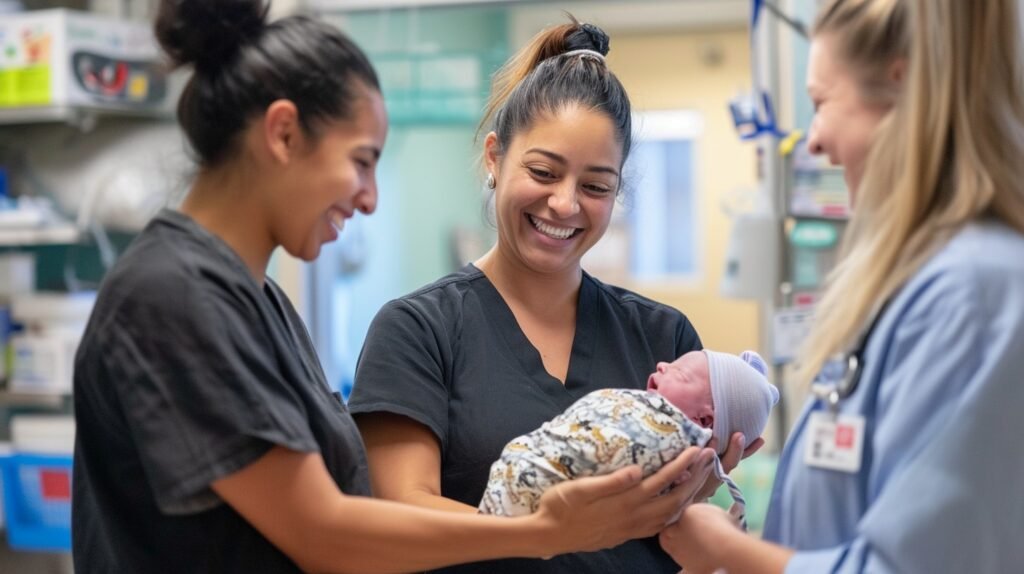
While midwifery is deeply rewarding, it’s also a demanding career that requires physical stamina, emotional resilience, and a willingness to adapt to unpredictable situations. Understanding the potential challenges can help you prepare mentally and professionally for the road ahead.
1. Long and Irregular Hours
Childbirth doesn’t follow a 9-to-5 schedule. Midwives are often on-call at all hours, including nights, weekends, and holidays.
- Impact: It can be hard to maintain a consistent sleep routine or personal schedule.
- Coping tip: Many midwives create strong support systems at home and set boundaries where possible to prevent burnout.
2. Emotional and Physical Demands
Midwifery involves moments of joy but also emotionally challenging situations, such as pregnancy complications, stillbirths, or emergencies.
- Impact: Supporting families through grief while managing your own emotions can be tough.
- Coping tip: Seeking peer support, supervision, or counseling helps midwives process these experiences in a healthy way.
3. High Levels of Responsibility
As a primary caregiver in many births, you carry the responsibility for both the mother’s and baby’s safety.
- Impact: Decision-making during high-pressure situations can be stressful.
- Coping tip: Continuous training and simulation practice can improve confidence and response times in emergencies.
4. Physical Stamina Required
Assisting in labor can mean standing for long hours, bending, lifting, and physically supporting mothers in different birthing positions.
- Impact: Physical strain, back pain, and fatigue are common among midwives.
- Coping tip: Maintaining good physical fitness and using proper body mechanics during work can reduce strain.
5. Limited Resources in Some Settings
In rural areas or underfunded facilities, midwives may face shortages of medical supplies, staff, or equipment.
- Impact: This can make managing complications more challenging and stressful.
- Coping tip: Learning improvisation techniques and working closely with community health networks can improve care delivery.
6. Balancing Work and Personal Life
Because births can happen at any moment, it’s common for midwives to experience interruptions to family events, holidays, and personal plans.
- Impact: The unpredictable schedule can strain personal relationships.
- Coping tip: Time management skills and honest communication with loved ones are essential.
7. Risk of Legal and Professional Liability
Midwives operate in a high-risk environment, and misunderstandings or adverse outcomes can lead to legal challenges.
- Impact: This adds pressure and may require professional indemnity insurance.
- Coping tip: Maintaining accurate records, following guidelines, and keeping skills current can help protect against liability.
8. Emotional Investment in Clients
Midwives often form close bonds with families, which can make it difficult to maintain professional boundaries — especially in challenging situations.
- Impact: Emotional over-involvement can lead to compassion fatigue.
- Coping tip: Self-awareness and professional mentoring can help maintain a healthy emotional balance.
Final Word on the Challenges
The difficulties of being a midwife are real, but so are the rewards. Many midwives say that the joy of helping bring new life into the world far outweighs the hardships, and with proper self-care, support networks, and ongoing education, these challenges can be managed successfully.
10. Tips for Succeeding in Midwifery School

- Build strong study habits – The coursework is intensive.
- Practice self-care – Physical and emotional well-being is vital.
- Network early – Join professional midwifery associations.
- Seek mentors – Learn from experienced midwives.
11. Career Advancement Opportunities
Midwives can expand their careers by:
- Teaching in midwifery or nursing programs
- Specializing in neonatal or maternal health
- Working in public health education
- Opening a private birth center
12. Conclusion
Becoming a midwife is a journey that blends skill, compassion, and dedication. It’s a profession that allows you to stand beside women and families during one of life’s most transformative moments offering not just medical expertise but also emotional support, guidance, and reassurance.
While the path involves years of study, practical training, and personal commitment, the rewards are immeasurable. You’ll witness the miracle of life, make a lasting impact on the health of mothers and babies, and become part of a profession that is both deeply human and globally essential.
If you feel called to this career, start by researching your local requirements, choosing the educational path that fits your goals, and preparing yourself for both the challenges and the joys ahead. Midwifery is not just a job it’s a lifelong commitment to care, advocacy, and the celebration of new beginnings.
Your journey toward becoming a midwife may be demanding, but with passion, perseverance, and the right preparation, it can lead to a truly fulfilling and impactful career.