
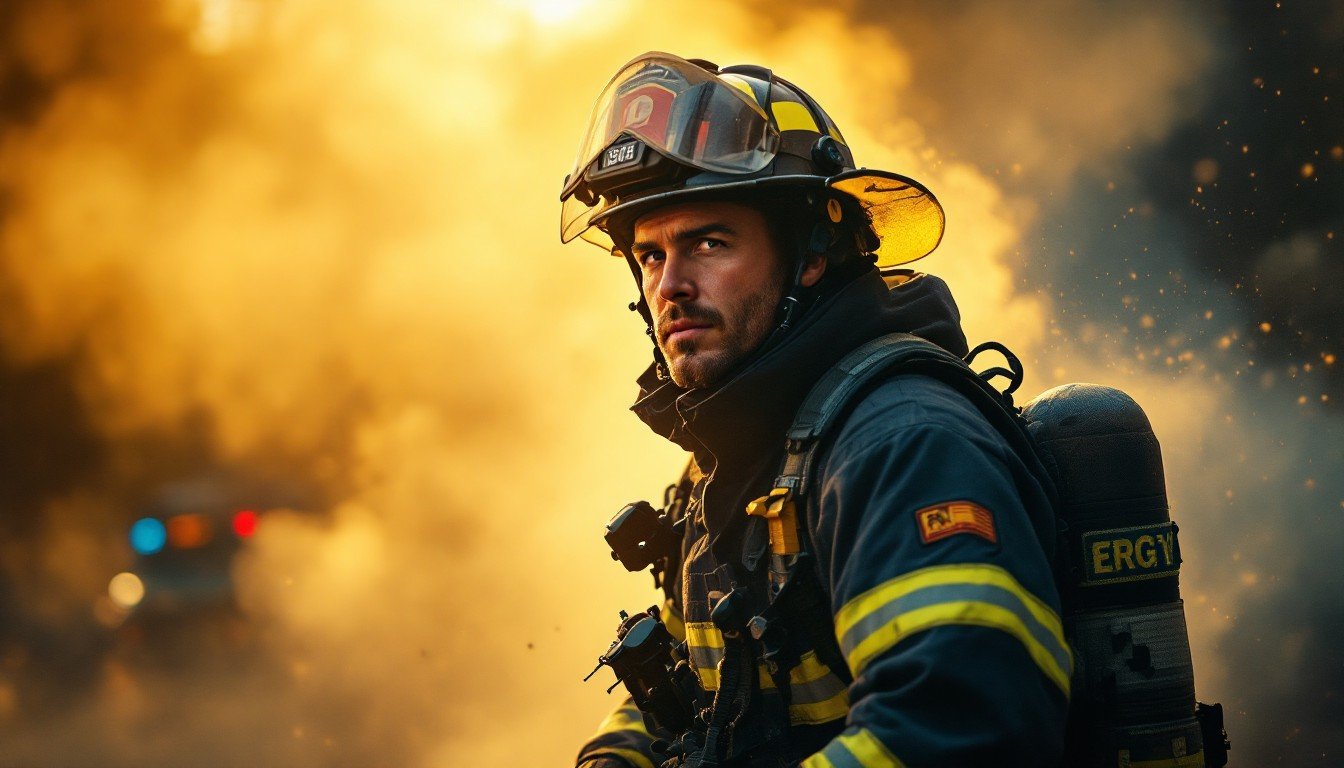
Firefighting is one of the most respected and heroic careers in the world. Firefighters risk their lives to protect people, property, and the environment from fires, accidents, and other emergencies. But becoming a firefighter isn’t just about bravery it requires physical fitness, technical knowledge, quick decision-making, and a strong commitment to public service.
If you’ve ever wondered how to become a firefighter, this guide will walk you through everything you need to know from education and training to job applications and career growth.
Table of Contents
1. Understanding the Role of a Firefighter
When most people think of firefighters, they imagine brave men and women charging into burning buildings with hoses and axes. While that image is true for some moments of the job, it’s only a small fraction of what firefighters actually do. In reality, firefighting is a multifaceted profession that combines emergency response, public safety education, technical rescue, and community service.
1.1 Firefighting: More Than Putting Out Fires
Contrary to popular belief, firefighters spend more time on medical emergencies, accident response, and preventative work than fighting active fires. In many communities, 60–80% of calls to fire departments are medical-related rather than fire-related.
Firefighters are trained to handle:
- Structural Fires – Residential, commercial, or industrial building fires.
- Wildfires – Forest and grassland fires, often requiring specialized equipment and strategies.
- Vehicle Fires – Cars, trucks, or public transport.
- Hazardous Materials Incidents – Chemical spills, gas leaks, and toxic exposures.
- Rescues – From car crashes, water accidents, or collapsed structures.
1.2 Daily Responsibilities
A firefighter’s shift can vary greatly depending on the calls they receive, but common duties include:
- Emergency Response
- Responding to alarms within seconds of being called.
- Navigating fire engines, ladder trucks, or rescue vehicles to the incident site.
- Assessing the scene quickly to determine the safest and most effective plan of action.
- Fire Suppression
- Operating hoses, pumps, and water supply systems.
- Entering burning structures while wearing full protective gear and breathing apparatus.
- Using tools such as axes and crowbars to gain entry or ventilate smoke-filled areas.
- Search and Rescue
- Locating trapped or unconscious people inside buildings.
- Rescuing pets and animals in danger.
- Assisting vulnerable populations, such as the elderly or disabled, to safety.
- Emergency Medical Care
- Providing first aid and CPR.
- Assisting paramedics with advanced life support.
- Stabilizing patients until they can be transported to a hospital.
- Fire Prevention and Education
- Conducting school visits and community safety programs.
- Teaching people how to prevent fires at home or work.
- Demonstrating safe evacuation procedures.
- Maintenance and Preparedness
- Inspecting and maintaining firefighting equipment, hoses, and protective gear.
- Checking fire trucks and ensuring they are ready to deploy at any moment.
- Training regularly to stay prepared for various emergencies.
1.3 Work Environment
Firefighters work in environments that can be:
- Physically extreme – High heat, heavy smoke, hazardous chemicals.
- Unpredictable – Every emergency is different; situations can change rapidly.
- Emotionally intense – Involving injury, loss of life, or high-stress rescues.
They often work long shifts — commonly 24 hours on duty followed by 48–72 hours off which means they may eat, sleep, and live at the fire station during their shifts.
1.4 Skills and Qualities of a Successful Firefighter
To handle such varied demands, firefighters need a combination of:
- Physical fitness – For carrying heavy equipment and enduring long, intense operations.
- Situational awareness – To quickly assess hazards and risks.
- Teamwork – Firefighters rarely work alone; coordinated action saves lives.
- Emotional resilience – To process difficult scenes and keep a clear head under pressure.
- Communication skills – For relaying vital information to teammates, commanders, and the public.
1.5 The Bigger Picture: Community Impact
Firefighters aren’t just emergency responders they are pillars of community safety. Their presence reassures citizens, and their work in prevention helps reduce the number of emergencies before they happen. Many firefighters also volunteer in community events, disaster relief, and charitable causes.
In short, being a firefighter is about protecting lives and property, educating the public, and serving as a trusted community figure. The job is challenging, but for those passionate about helping others, it is deeply rewarding.
2. Minimum Requirements to Become a Firefighter
Before you start your journey toward becoming a firefighter, you’ll need to make sure you meet certain minimum eligibility criteria. These requirements vary slightly depending on your country, state, or city, as well as the fire department’s policies, but most departments follow a similar set of standards.
Meeting these minimums doesn’t guarantee you’ll be hired firefighting is highly competitive but they are the first step to even being considered for the role.
2.1 Age Requirements
- Minimum Age: Most fire departments require applicants to be at least 18 years old at the time of application.
- Maximum Age: Some departments have an upper age limit (often around 35–40), though many have removed it as long as the applicant is physically fit.
- Why Age Matters: The job is physically demanding, so departments want candidates who can handle the physical and mental challenges for years to come.
Tip: If you’re still in school, you can start preparing early by joining junior firefighter programs or volunteering with community fire services.
2.2 Education Requirements
- Basic Education: A high school diploma or equivalent (GED) is almost always required.
- Preferred Education: Some departments prefer or require college coursework or an associate/bachelor’s degree in:
- Fire Science
- Emergency Management
- Public Safety
- Reason: Firefighters deal with technical information, hazardous materials, and emergency medical care education helps ensure they can handle complex tasks.
2.3 Driver’s License
- Requirement: A valid driver’s license is required, often with a clean driving record.
- Why It’s Important: Firefighters may need to operate large vehicles such as fire engines and ladder trucks.
- Commercial Driver’s License (CDL): Some departments require you to obtain a CDL either before hiring or during your probationary period.
2.4 Physical Fitness Standards
- Physical Ability Test (PAT): Applicants must pass a standardized physical test that measures strength, endurance, agility, and cardiovascular fitness.
- Typical Exercises in PAT:
- Running or stair climbing in full gear
- Carrying heavy equipment (e.g., hoses, ladders)
- Rescuing a dummy simulating a victim
- Forcible entry simulations (using sledgehammers or axes)
- Why This Matters: Firefighting is physically demanding, and the safety of the crew depends on every member being able to perform under extreme conditions.
2.5 Health and Medical Requirements
- Medical Examination: A comprehensive check-up to ensure you are physically fit for duty.
- Vision Standards: Good vision is required (corrective lenses are usually acceptable).
- Hearing Standards: You must be able to hear clearly in noisy environments.
- Drug Screening: Firefighters must be drug-free; random testing may occur after hiring.
- Respiratory Health: Since firefighters work in smoke-filled or toxic environments, lung health is closely evaluated.
2.6 Background Check
- Criminal Record: Most fire departments require a clean criminal record. Minor offenses may not automatically disqualify you, but serious crimes (e.g., violence, theft, arson, drug trafficking) are usually disqualifying.
- Reason: Firefighters are trusted with public safety, property, and sometimes sensitive situations.
2.7 Citizenship or Legal Residency
- Requirement: You must be a citizen or have legal residency/work authorization in the country where you’re applying.
- Reason: This ensures compliance with national and local employment laws.
2.8 Additional Requirements in Some Areas
Depending on your location, you might also need:
- CPR Certification – Basic life support skills.
- Emergency Medical Technician (EMT) Certification – Often required before or shortly after hiring.
- Volunteer or Internship Experience – While not mandatory, it greatly improves your chances of being selected.
2.9 Key Takeaway
The minimum requirements are your entry ticket into the firefighting profession. Even if you meet them, remember that many applicants will also meet these standards so standing out through extra training, education, or volunteer work can give you the competitive edge you need.
3. Education and Academic Preparation
While a high school diploma is the minimum, further education can boost your chances of being hired.
Recommended subjects in school:
- Physical education
- Biology and anatomy
- Chemistry
- Communication skills
Post-secondary options:
- Fire Science Degree – Many community colleges offer associate or bachelor’s degrees in fire science.
- Emergency Medical Technician (EMT) Certification – Often required before or shortly after being hired.
4. Physical Fitness Requirements

Firefighting is physically intense. You’ll need to carry heavy equipment, climb ladders, and work in extreme conditions.
Common Physical Ability Tests:
- Running – Timed runs to test cardiovascular endurance.
- Stair climbing – Often while wearing heavy gear.
- Hose dragging – Tests upper body strength.
- Ladder raise – Demonstrates strength and coordination.
- Victim rescue drag – Simulates carrying an unconscious person to safety.
Tip: Start a regular fitness routine that includes cardio, strength training, and flexibility exercises.
5. Getting the Necessary Training
Most aspiring firefighters attend a fire academy, either run by a fire department or a technical school. Training includes both classroom instruction and hands-on drills.
What You’ll Learn in Fire Academy:
- Fire behavior and suppression techniques
- Search and rescue operations
- Hazardous materials handling
- Emergency medical care
- Equipment operation and maintenance
- Fire prevention and inspection
Training can last anywhere from 12 to 24 weeks, depending on the program.
6. Gaining Medical Certification (EMT/Paramedic)
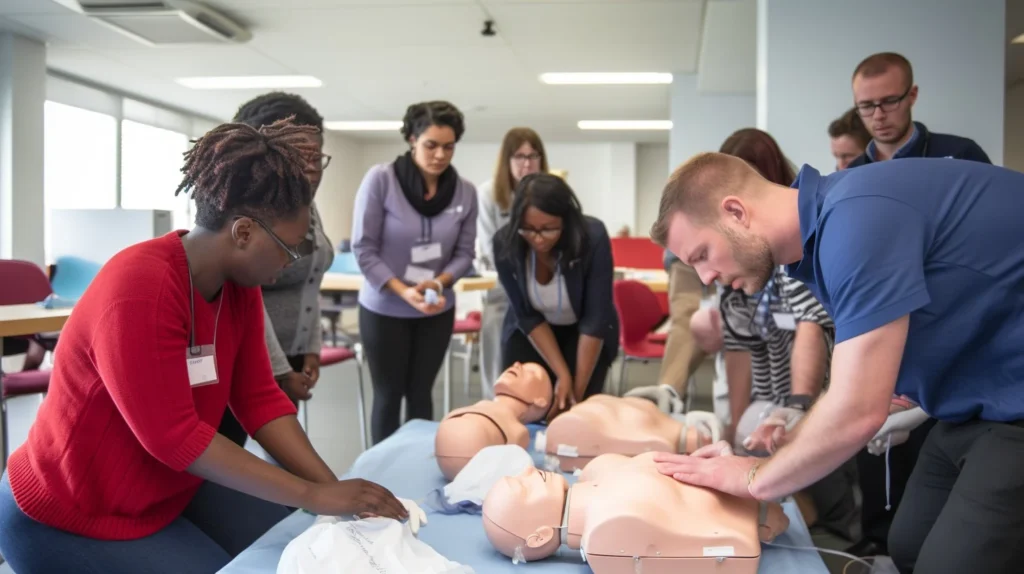
In many regions, firefighters are required to have Emergency Medical Technician (EMT) certification because they often respond to medical emergencies.
Levels of EMT training:
- EMT-Basic – Provides CPR, bleeding control, and basic emergency care.
- EMT-Intermediate/Advanced – Includes advanced airway management and IV therapy.
- Paramedic – The highest level, with extensive training in advanced life support.
7. Applying for a Firefighter Position
Once you meet the education, fitness, and training requirements, you can apply for an open firefighter position.
Application Process:
- Find Open Positions – Check your city or municipality’s fire department website.
- Submit Application – Include all required documents (resume, certifications, references).
- Written Exam – Tests problem-solving, reading comprehension, and mechanical reasoning.
- Physical Ability Test – Measures strength, speed, and endurance.
- Oral Interview – Assesses communication skills, motivation, and decision-making.
- Background and Medical Check – Final screening before job offer.
8. Advancing Your Firefighting Career
Once you’re hired, your learning doesn’t stop. Continuous training and certification will help you advance.
Career Progression:
- Firefighter
- Driver/Engineer
- Lieutenant
- Captain
- Battalion Chief
- Assistant Chief
- Fire Chief
Specializations:
- Fire Investigator
- Hazardous Materials (HazMat) Specialist
- Technical Rescue Specialist
- Fire Inspector
9. Challenges of Being a Firefighter
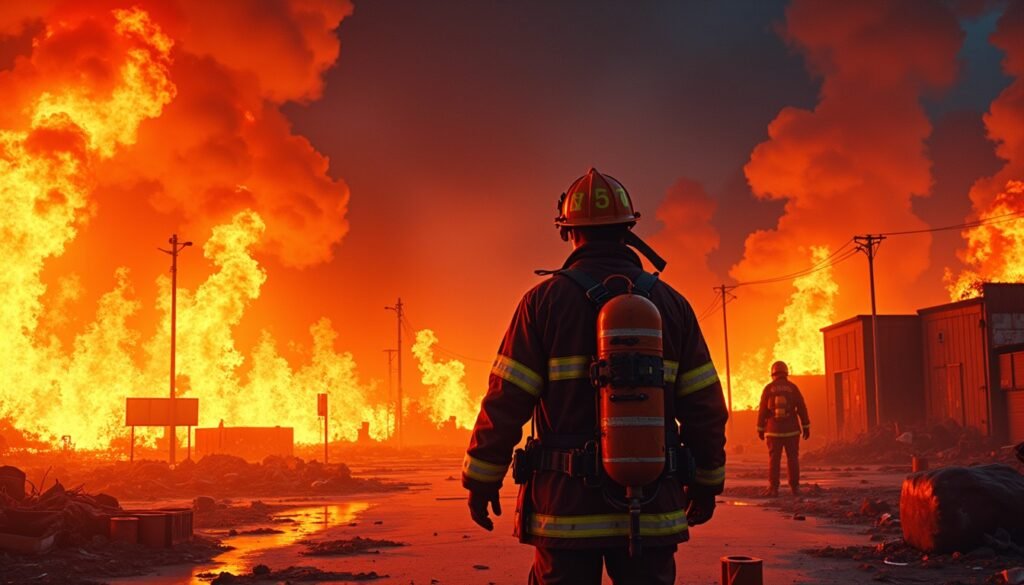
Firefighting is often portrayed as a heroic and glamorous profession and while it is deeply rewarding, it’s also one of the most demanding careers physically, mentally, and emotionally. Understanding the challenges will help you decide if you’re ready for the realities of the job.
9.1 Physical Demands and Risks
Firefighting is a high-intensity occupation that requires working in extreme conditions.
- Heavy Equipment: Firefighters carry 20–40 kg (45–90 lbs) of gear, including helmets, oxygen tanks, and protective clothing.
- Extreme Heat and Smoke: Working in burning buildings means exposure to high temperatures and poor visibility.
- Injury Risks: Common hazards include burns, falls, smoke inhalation, and muscle strains.
- Unpredictable Environments: Fire scenes can change rapidly floors may collapse, toxic gases may spread, and explosions can occur.
Reality Check: You must maintain excellent physical fitness, because your life and your crew’s depends on your ability to perform under pressure.
9.2 Emotional and Psychological Strain
Not all challenges are physical. Firefighters face emotional stress that can be just as intense.
- Traumatic Scenes: Responding to fatal accidents, house fires, or medical emergencies involving children can be emotionally heavy.
- Loss of Life: Despite your best efforts, some situations end tragically, which can lead to grief or guilt.
- Mental Health Concerns: Post-traumatic stress disorder (PTSD), anxiety, and depression can develop if stress isn’t managed.
Reality Check: Successful firefighters learn coping strategies, talk to mental health professionals, and support each other through difficult times.
9.3 Irregular and Long Working Hours
Fire departments operate 24/7, so firefighters often work:
- 24-hour shifts followed by 48–72 hours off.
- Nights, weekends, and holidays emergencies don’t wait for office hours.
- Extended hours during large-scale incidents like wildfires or natural disasters.
Reality Check: You’ll need to adapt to irregular sleep patterns and learn how to balance work, rest, and family life.
9.4 Constant Training and Skill Maintenance
Firefighting isn’t a “train once and you’re done” career.
- Ongoing Drills: Regular practice in fire suppression, rescue techniques, and hazardous materials handling.
- Medical Skills: EMT or paramedic certification requires continual renewal and practical training.
- New Hazards: As technology and construction materials evolve, new firefighting tactics are needed.
Reality Check: Continuous learning is part of the job if you don’t enjoy training, firefighting will feel overwhelming.
9.5 Exposure to Dangerous Substances
Firefighters may be exposed to:
- Toxic Fumes and Smoke: Even with breathing apparatus, some exposure is inevitable.
- Asbestos and Hazardous Chemicals: Found in older buildings and industrial sites.
- Bloodborne Pathogens: When responding to medical emergencies or accidents.
Reality Check: Strict safety protocols and personal protective equipment (PPE) reduce risks but don’t eliminate them completely.
9.6 Public Expectations and Accountability
Firefighters are held to a high standard of trust:
- Public Scrutiny: Mistakes during emergencies can be heavily criticized.
- Community Pressure: Citizens expect firefighters to be ready and capable at all times.
- Professional Conduct: Your actions, even off duty, can affect your reputation and career.
Reality Check: Firefighters are role models in their communities professionalism is expected at all times.
9.7 Impact on Family and Personal Life
The demanding nature of firefighting can affect relationships and family time.
- Missed Events: Birthdays, holidays, and anniversaries may fall during your shifts.
- Emotional Spillover: Stress from work can sometimes carry into home life.
- Partner Concerns: Loved ones may worry about your safety every time you respond to a call.
Reality Check: Open communication and strong family support are essential for long-term career balance.
Final Word on Challenges
While these challenges are real and unavoidable, they don’t define the profession negatively instead, they shape the discipline, resilience, and teamwork that make firefighting so respected. The best firefighters see challenges not as obstacles, but as opportunities to grow stronger, more skilled, and more committed to protecting their communities.
10. Rewards and Benefits
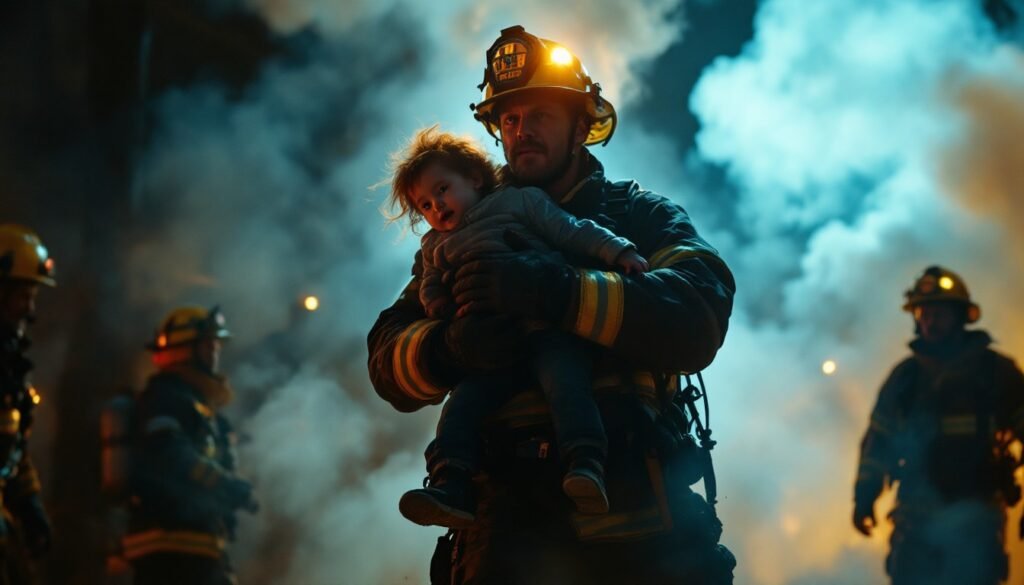
While firefighting comes with significant risks and demands, the personal, professional, and financial rewards can be immense. For many firefighters, the sense of purpose and camaraderie far outweighs the hardships.
Here’s a closer look at what makes the profession so rewarding:
10.1 Saving Lives and Making a Difference
This is the core reason many choose this career.
- Life-Saving Impact: Few jobs give you the chance to directly save someone’s life, whether pulling them from a burning building, performing CPR, or rescuing them from a car accident.
- Immediate Results: You often see the direct impact of your actions within minutes a rare and powerful experience.
- Community Hero: Knowing your skills and presence can turn the tide in an emergency gives a profound sense of accomplishment.
Emotional Reward: You can go home after a shift knowing you made a tangible difference in someone’s life.
10.2 Strong Camaraderie and Teamwork
Firefighters often refer to their colleagues as their second family.
- Shared Experiences: Facing life-threatening situations together builds bonds that last a lifetime.
- Trust and Dependence: In dangerous environments, you rely on your crew completely — and they rely on you.
- Lifelong Friendships: Many firefighters maintain close relationships with colleagues even after retirement.
Emotional Reward: A sense of belonging and support from people who truly understand your work.
10.3 Job Stability and Demand
Firefighting is an essential service, meaning communities will always need trained firefighters.
- Low Risk of Job Loss: Unlike some industries, firefighting isn’t easily outsourced or replaced by technology.
- Consistent Hiring: Urban areas, growing towns, and wildfire-prone regions often have regular recruitment cycles.
Financial Benefit: Stability and reliable employment even in uncertain economic times.
10.4 Competitive Salary and Benefits Package
While salaries vary depending on location and experience, firefighters typically receive:
- Base Salary: Often higher than average for public service jobs in the same region.
- Overtime Pay: Extra compensation for extended shifts or emergency call-outs.
- Pension Plans: Many fire departments offer strong retirement benefits.
- Health and Dental Insurance: Comprehensive coverage for firefighters and their families.
- Paid Time Off: Vacation days, sick leave, and personal days.
Financial Benefit: A steady income with strong retirement and healthcare support.
10.5 Career Growth and Specialization Opportunities
Firefighting isn’t a dead-end job there are many paths to advancement:
- Promotions: From firefighter to engineer, lieutenant, captain, and chief.
- Special Units: Hazardous Materials (HazMat), Technical Rescue, Fire Investigation, and Training Officers.
- Teaching and Mentorship: Experienced firefighters can train the next generation.
Professional Reward: The chance to build expertise and take on leadership roles.
10.6 Public Respect and Recognition
Firefighters consistently rank among the most trusted professions worldwide.
- Positive Reputation: The public sees firefighters as brave, dependable, and selfless.
- Community Support: Firefighters often receive strong appreciation during local events and emergencies.
Emotional Reward: Pride in being part of a respected, honorable profession.
10.7 Personal Growth and Resilience
The nature of the job pushes you to develop valuable life skills:
- Crisis Management: Staying calm under pressure.
- Problem-Solving: Thinking quickly when every second counts.
- Adaptability: Handling unpredictable and rapidly changing situations.
Life Benefit: Skills that benefit not just your career, but your entire life.
10.8 The Satisfaction of Service
Firefighters serve something bigger than themselves.
- Community Impact: Your work directly improves public safety.
- Mentorship Role: You can inspire young people through fire safety programs.
- Long-Term Legacy: Your efforts may save lives or property for years to come.
Emotional Reward: A deep, lasting sense of purpose.
Final Word on Rewards and Benefits
The rewards of being a firefighter go far beyond a paycheck. They’re found in the lives you save, the relationships you build, and the pride of knowing you stand ready to help when your community needs you most. For those willing to face the challenges, firefighting offers a career that’s as fulfilling as it is noble.
11. Frequently Asked Questions (FAQ)

Q1: How long does it take to become a firefighter?
It can take anywhere from 6 months to 4 years, depending on your education path and hiring process.
Q2: Do I need to be an EMT before applying?
In many areas, yes. Check your local fire department requirements.
Q3: Is firefighting dangerous?
Yes, but with proper training, safety protocols, and teamwork, risks are managed.
Q4: Can women become firefighters?
Absolutely. Firefighting is open to all qualified candidates regardless of gender.
12. Conclusion
Becoming a firefighter is not just a job it’s a lifelong commitment to helping others. The process requires physical preparation, academic learning, and a willingness to face challenging situations head-on.
If you have the passion, dedication, and determination, you can join the ranks of those who run toward danger when others run away. Start preparing today, and you could be wearing the uniform that represents courage and service in your community.