

How to become a 911 dispatcher is a question many people ask when they’re looking for a meaningful and stable career in public safety. 911 dispatchers are the calm voices behind emergency calls, guiding people through some of the most stressful moments of their lives.
They act as the critical link between the public and police, fire, or medical services, ensuring that help arrives quickly and efficiently. If you’ve ever wondered how to join this life-saving profession but don’t know where to start, this guide will walk you through every step from understanding the role and meeting the requirements to completing training, passing the hiring process, and building a successful career as a dispatcher.
Table of Contents
1. Understanding the Role of a 911 Dispatcher
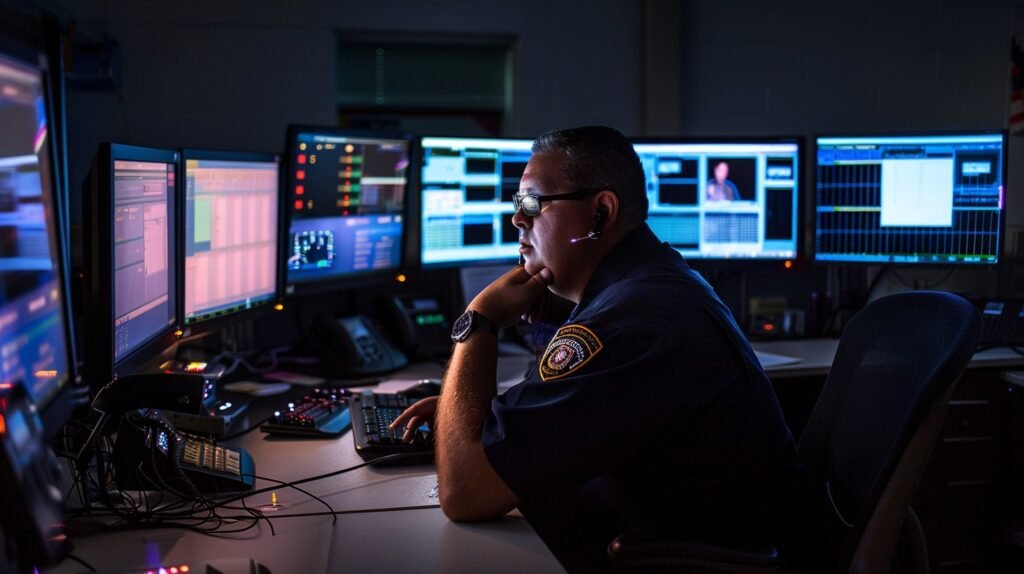
Before starting your journey toward becoming a 911 dispatcher, it’s important to understand exactly what the job involves. A 911 dispatcher, also known as an emergency dispatcher or public safety telecommunicator, is the first point of contact when someone calls for help during an emergency. They are the calm, reassuring voice that guides people through moments of panic and connects them to the right emergency services.
While most people think of a dispatcher as simply answering phone calls, the reality is much more complex and demanding. The role combines communication, problem-solving, multitasking, and decision-making all while working under extreme time pressure.
Primary Duties and Responsibilities
A 911 dispatcher’s responsibilities can vary depending on the city, state, or agency, but generally include:
- Answering Emergency Calls
Responding immediately to calls placed to 911, whether they involve crimes in progress, medical emergencies, fires, accidents, or other urgent situations. - Gathering Essential Information
Asking the right questions to quickly determine the type of emergency, the location, and the number of people involved. Accuracy is critical a single incorrect detail can delay response times. - Dispatching the Correct Emergency Services
Using computer-aided dispatch (CAD) systems and radio communications to alert and coordinate with police officers, firefighters, paramedics, and other emergency personnel. - Providing Pre-Arrival Instructions
Guiding callers through potentially life-saving steps before help arrives. For example, dispatchers may walk someone through performing CPR, controlling bleeding, or staying safe during an active crime scene. - Keeping Callers Calm
Many callers are scared, panicked, or even aggressive due to stress. Dispatchers must remain calm, patient, and empathetic while still staying in control of the conversation. - Documenting the Call
Every call must be accurately recorded, including caller details, the emergency type, and any instructions given. This documentation can be used later for reports, investigations, or court cases.
The Work Environment
911 dispatchers typically work in Public Safety Answering Points (PSAPs) specialized communication centers that operate 24/7, 365 days a year. This means dispatchers often work nights, weekends, and holidays, as emergencies can happen anytime.
The workspace is filled with multiple computer screens, headsets, and advanced communication equipment. The environment is fast-paced, and dispatchers may handle multiple incidents at once.
Why the Role is So Important
The work of a 911 dispatcher can literally mean the difference between life and death. Their ability to stay composed, gather details quickly, and dispatch help efficiently ensures that first responders arrive on scene as quickly as possible. In many cases, the advice a dispatcher gives in those crucial first moments can save a life before emergency crews even arrive.
A Unique Blend of Skills
The job is a unique mix of:
- Customer service – dealing with people from all walks of life
- Crisis management – staying calm under extreme pressure
- Technology use – operating advanced communication systems
- Teamwork – working closely with police, fire, and medical teams
Because of this combination, 911 dispatching is both challenging and deeply rewarding for those who are passionate about helping others.
2. Minimum Requirements to Become a 911 Dispatcher
While specific requirements vary by state or municipality, here are the general qualifications:
- Age: Usually 18 years or older
- Education: High school diploma or GED (some agencies prefer college coursework)
- Background Check: Clean criminal record
- Typing Speed: Often 35–45 words per minute
- Hearing & Vision: Good hearing and eyesight (corrective lenses may be allowed)
- Language Skills: Proficiency in English; bilingual candidates are often preferred
3. Skills You Need to Succeed
Being a 911 dispatcher requires much more than simply answering phone calls. It’s a career that demands a unique set of technical, emotional, and interpersonal skills all working together under high-pressure situations. The better you develop these abilities, the more effective you’ll be at handling emergencies and supporting first responders.
Below are the key skills every successful dispatcher should have:
Strong Communication Skills
Clear and effective communication is the heart of the dispatcher’s job. You need to speak calmly, clearly, and confidently so callers can understand your instructions even in chaotic situations.
- Verbal Communication: You must relay information to emergency services without hesitation or confusion.
- Active Listening: Understanding every detail the caller provides, even if they are panicked or speaking unclearly.
- Tone Control: Using a calm, reassuring voice to keep callers focused.
Quick Decision-Making
Emergencies require fast yet accurate decisions. You’ll need to decide within seconds:
- Which emergency service to send
- How many units to dispatch
- Whether to give specific safety instructions immediately
Hesitation can waste precious time, while rushed decisions without proper judgment can put people in danger.
Ability to Stay Calm Under Pressure
Dispatchers regularly deal with life-or-death situations, angry callers, and distressing incidents. Maintaining composure allows you to:
- Think clearly when others can’t
- Avoid letting emotions cloud your judgment
- Provide steady guidance to frightened callers
This skill is often developed over time with training and experience.
Multitasking Abilities
911 dispatchers often listen to a caller, type details into the CAD system, and relay information to first responders all at the same time. You must juggle multiple streams of information without losing track of critical details.
Attention to Detail
A single wrong number, street name, or description can delay help or send responders to the wrong location. Dispatchers need to be precise when:
- Recording caller information
- Logging times and events
- Giving instructions
Small errors can have big consequences in emergency situations.
Technical Proficiency
Modern dispatching relies on advanced technology, including:
- Computer-Aided Dispatch (CAD) systems
- Radio communication devices
- GPS tracking systems
- Multi-line phone systems
You’ll need to learn these tools quickly and use them efficiently under pressure.
Emotional Resilience
911 dispatchers sometimes hear distressing or tragic events over the phone. Emotional resilience helps you:
- Process what you hear without becoming overwhelmed
- Avoid burnout from repeated exposure to high-stress situations
- Maintain professionalism and objectivity
Some agencies provide counseling or peer support programs to help dispatchers manage stress.
Empathy and Compassion
While you must remain professional, showing empathy helps you build trust with callers. People in emergencies need to know you care about their situation and are doing everything possible to help. Balancing compassion with control is key.
Teamwork Skills
You’ll work closely with police, firefighters, paramedics, and fellow dispatchers. Effective teamwork ensures that everyone gets the right information at the right time to respond effectively.
Adaptability
No two calls are the same. A dispatcher might go from helping deliver a baby over the phone to managing a natural disaster response within minutes. Being flexible and ready to adapt is essential.
Developing These Skills
While some of these skills are natural, others can be developed through:
- Formal training programs in communication, emergency management, or public safety
- Volunteer work with local fire departments, police stations, or crisis hotlines
- Personal practice in typing, multitasking, and active listening
The more you work on these abilities before applying, the stronger your chances of succeeding in this challenging but rewarding career.
4. Educational Path
While you can become a 911 dispatcher with just a high school diploma, additional education can improve your chances.
Relevant Courses & Degrees:
- Criminal Justice
- Emergency Management
- Communications
- Psychology
- Public Safety
Tip: Even short-term training in customer service or stress management can be valuable.
5. Certification and Training

Once you’ve met the basic requirements to become a 911 dispatcher, the next step is to complete the specialized training and certification that will prepare you for the job. This phase is critical because dispatchers are trusted with life-or-death decisions, and proper training ensures you have the knowledge, skills, and confidence to respond effectively in any emergency situation.
It’s important to note that training requirements vary depending on the state, city, or agency where you apply. Some states have mandatory certifications by law, while others allow individual agencies to set their own training standards.
Initial Agency Training
When you are hired as a new dispatcher, you’ll typically go through an agency-specific training program before you can answer calls on your own. This can last anywhere from several weeks to several months, depending on the complexity of the agency’s operations.
Common Topics Covered Include:
- Call-Taking Procedures: How to answer and prioritize calls, including emergency vs. non-emergency situations.
- Dispatch Protocols: How to send the right emergency units quickly and efficiently.
- Radio Communication: Speaking clearly and concisely with police officers, firefighters, and paramedics over secure radio channels.
- Geography and Mapping: Learning local street names, landmarks, and geographical layouts to guide responders.
- CAD System Training: Operating Computer-Aided Dispatch systems to log calls, track resources, and manage incidents in real time.
- Customer Service Skills: Communicating with callers from diverse backgrounds, including those who may be angry, upset, or unable to speak clearly.
- Emergency Protocols: Following set guidelines for medical, fire, and law enforcement emergencies.
Certifications You May Need
In addition to on-the-job training, most dispatchers are required to earn national or state-recognized certifications. These may include:
- Emergency Medical Dispatcher (EMD) Certification
- Allows you to provide pre-arrival medical instructions such as CPR, bleeding control, and childbirth guidance.
- Commonly issued by the International Academies of Emergency Dispatch (IAED) or similar organizations.
- CPR and First Aid Certification
- Essential for providing accurate life-saving instructions over the phone.
- Often certified through organizations like the American Heart Association or Red Cross.
- Basic Telecommunicator Certification
- Covers foundational skills for emergency call handling, including legal responsibilities, ethics, and communication techniques.
- National Emergency Number Association (NENA) Training
- Provides advanced knowledge of 911 systems, technology, and best practices.
- State-Specific Certifications
- Some states, such as Florida or Texas, have their own certification exams and continuing education requirements.
On-the-Job Mentorship
Most agencies pair new hires with a Communications Training Officer (CTO) — an experienced dispatcher who mentors and evaluates them during their probationary period. This stage is vital for turning classroom knowledge into real-world performance.
Continuing Education
Even after becoming certified, training doesn’t stop. Dispatchers are often required to complete continuing education (CE) hours every year to:
- Stay updated on new technology and software
- Refresh knowledge of emergency protocols
- Learn about updated laws and procedures
- Develop stress management and wellness strategies
Why Training Matters
Comprehensive training ensures dispatchers can:
- Remain calm and think clearly during high-pressure situations
- Provide accurate, step-by-step instructions that can save lives
- Operate advanced technology without hesitation
- Communicate effectively with both callers and emergency personnel
Without proper training, a dispatcher might delay help, miss critical details, or make errors that could have serious consequences.
6. The Hiring Process
Here’s what you can expect when applying:
- Application Submission – Fill out the agency’s job form.
- Written Test – Tests multitasking, listening, and memory.
- Typing Test – Usually speed + accuracy.
- Interview – Behavioral and scenario-based questions.
- Background Check – Includes fingerprinting.
- Psychological Evaluation – Ensures mental readiness.
- Medical Exam – Hearing, vision, and sometimes drug testing.
- Training Academy – Several weeks to months.
7. Career Path and Advancement
While many people see becoming a 911 dispatcher as a stable, long-term career in itself, there’s also room for professional growth and advancement. Dispatching is part of the broader public safety sector, meaning your skills can open doors to leadership roles, specialized positions, and even related careers in law enforcement or emergency management.
Whether you want to stay behind the headset or move into management and training, there are multiple directions your career can take.
Entry-Level: Emergency Call Taker
Most new hires start as emergency call takers, where the focus is on answering calls, gathering information, and transferring them to dispatchers who send out the appropriate emergency units. This allows you to:
- Build confidence on the phone
- Learn local procedures and technology
- Develop strong multitasking and communication skills
Full 911 Dispatcher
After proving your abilities as a call taker and completing additional training, you can move into the role of a full dispatcher. Here, you not only take calls but also:
- Coordinate with police, fire, and medical teams
- Monitor multiple incidents at once
- Make quick decisions on resource allocation
Senior Dispatcher
Senior dispatchers have several years of experience and often handle more complex or high-priority incidents. They may also act as a mentor for new hires and serve as the go-to person for operational questions during a shift.
Shift Supervisor
A shift supervisor oversees an entire team of dispatchers during a shift. Responsibilities include:
- Assigning roles
- Handling escalated situations
- Managing staffing needs
- Ensuring procedures are followed correctly
This position requires strong leadership, organizational skills, and the ability to manage both people and crises simultaneously.
Training Officer (CTO)
If you enjoy teaching and mentoring, becoming a Communications Training Officer allows you to guide new dispatchers through their probationary period. This role involves:
- Providing hands-on instruction
- Giving constructive feedback
- Evaluating performance readiness
Communications Center Manager
Managers oversee the operations of the entire dispatch center. Their duties can include:
- Budgeting and resource management
- Hiring and personnel evaluations
- Coordinating with police, fire, and EMS leadership
- Implementing new technology and policies
This is a higher-level position that often requires years of experience plus additional leadership or management training.
Specialized or Related Roles
With your dispatching experience, you can also move into specialized fields such as:
- Tactical Dispatcher: Works closely with SWAT or crisis response teams during high-risk incidents.
- Emergency Management Specialist: Helps plan for and coordinate disaster response at the city or state level.
- Public Safety Technology Specialist: Focuses on the technical side of communication systems and CAD software.
- Law Enforcement Support Roles: Many dispatchers transition into police administrative positions or even sworn law enforcement roles.
Advancing Through Education and Certification
While experience is essential, continuing education can accelerate your career growth. Taking courses in public administration, criminal justice, or emergency management can make you more competitive for leadership roles. Advanced certifications from organizations like the National Emergency Number Association (NENA) or International Academies of Emergency Dispatch (IAED) can also set you apart.
Why Career Advancement Matters
Advancement not only increases your earning potential but also:
- Expands your skill set
- Gives you greater influence over policies and procedures
- Provides opportunities to shape the future of public safety communication
- Allows you to mentor the next generation of dispatchers
8. Salary and Benefits
Pay varies by location, but here’s an overview (U.S. data):
- Average Salary: $40,000 – $55,000/year
- High-Paying States: California, Alaska, Washington
- Benefits: Health insurance, retirement plans, paid vacation, overtime pay
9. Challenges of the Job

While rewarding, being a 911 dispatcher comes with challenges:
- High stress from constant emergencies
- Long hours, including nights and holidays
- Emotional toll from tragic situations
- Need for continuous training
10. Rewards and Fulfillment
Despite the challenges, most dispatchers say the job is incredibly meaningful. You help save lives, support your community, and develop skills that are respected in many careers.
11. Tips for Success
- Practice Typing: The faster and more accurately you type, the better.
- Learn Stress Management: Breathing techniques and short mental breaks can help.
- Stay Physically Healthy: Good health supports focus and stamina.
- Build Communication Skills: Clear speech and active listening are key.
- Consider Volunteering: Working with local emergency services can give you an edge.
Conclusion
Becoming a 911 dispatcher is not just a job it’s a commitment to public safety and community service. It requires patience, quick thinking, and compassion. If you’re ready to take on a fast-paced, meaningful role, following the steps in this guide will help you start your journey.