

If you’ve ever wondered how long does it take to become a paramedic, you’re not alone. Paramedics play a vital role in emergency medical services (EMS), often being the first healthcare professionals on the scene during accidents, medical crises, or natural disasters. Because of the responsibility and specialized training involved, becoming a paramedic requires time, dedication, and the right qualifications.
In this guide, we’ll explore everything you need to know about the paramedic career path, including the training timeline, education requirements, and factors that can affect how long it takes to become one.
Table of Contents
Understanding the Role of a Paramedic

When people think of emergencies, they often picture flashing ambulance lights and professionals rushing to help. At the heart of this response is the paramedic a highly trained healthcare provider who delivers life-saving medical care outside of the hospital setting.
Unlike EMTs (Emergency Medical Technicians), who provide basic emergency support, paramedics are trained to perform advanced medical procedures that can make the difference between life and death before a patient reaches the hospital.
Key Responsibilities of a Paramedic
Paramedics handle a wide range of responsibilities, including:
- Emergency Response:
Paramedics are usually the first healthcare professionals on the scene of accidents, medical crises, or natural disasters. Their quick assessment and immediate care often determine patient outcomes. - Advanced Medical Care:
They perform procedures such as:- Administering medications
- Inserting IV lines
- Performing intubations (helping patients breathe)
- Using defibrillators to restore heart rhythm
- Treating severe trauma or cardiac arrest
- Patient Transport and Monitoring:
Paramedics transport patients safely to hospitals while continuously monitoring their condition and providing necessary interventions along the way. - Communication and Coordination:
They act as a critical link between the field and the hospital, relaying patient information to emergency room staff so doctors can prepare for immediate treatment. - Community Support:
Beyond emergencies, paramedics may also provide public health education, wellness checks, and community outreach services, depending on their employer and region.
The Importance of Paramedics in Healthcare
Paramedics are essential to the healthcare system because they:
- Bridge the Gap: They provide crucial medical care in the critical minutes before a patient arrives at the hospital.
- Save Lives Daily: Many patients survive emergencies because of paramedics’ swift interventions.
- Support Hospitals: By stabilizing patients early, they help reduce hospital overcrowding and improve outcomes.
- Provide Comfort: They not only treat physical injuries but also offer reassurance to patients and families during stressful moments.
Work Environments for Paramedics
Paramedics don’t just work in ambulances. Their skills are needed in a variety of settings, such as:
- Ambulance and EMS services
- Emergency departments in hospitals
- Search and rescue operations
- Air ambulance/flight paramedic teams
- Industrial sites or large public events where medical emergencies may occur
Skills Every Paramedic Needs
To succeed in this demanding role, paramedics require a unique combination of skills:
- Medical knowledge – A strong foundation in anatomy, physiology, and pharmacology.
- Critical thinking – The ability to make fast decisions under pressure.
- Physical stamina – Emergencies often require lifting, long shifts, and high endurance.
- Compassion and communication – Providing comfort to patients and clearly relaying information to medical teams.
- Problem-solving abilities – Adapting quickly when faced with unexpected challenges in the field.
In short, a paramedic is much more than just a medical responder they are leaders in emergency care, advocates for patients, and lifelines for communities. Their role requires technical expertise, emotional resilience, and a strong desire to help others in their most vulnerable moments.
The General Timeline: How Long Does It Take to Become a Paramedic?
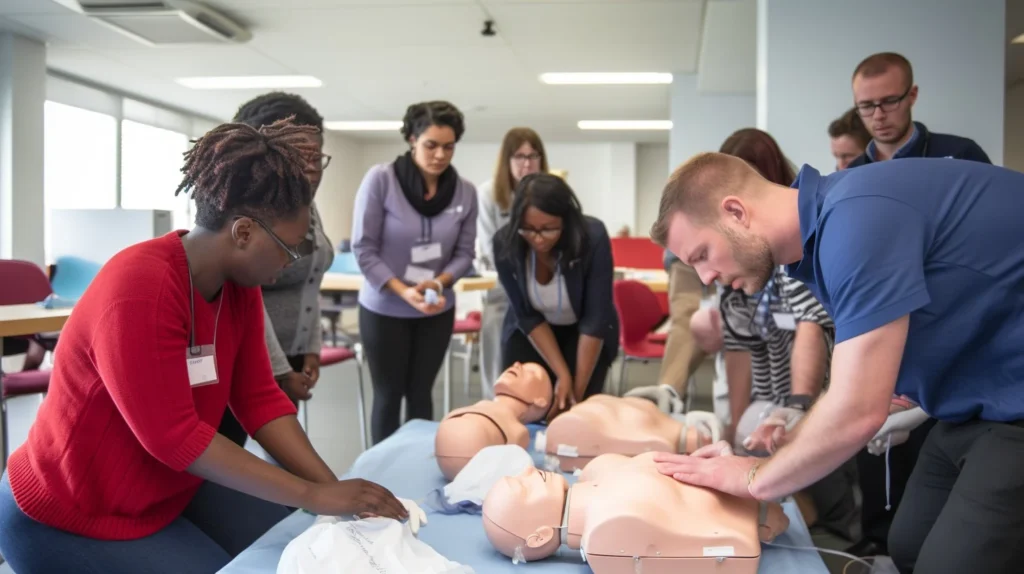
One of the most common questions people ask is: “How long does it take to become a paramedic?” The answer depends on the path you take, but generally, the process takes 2 to 4 years from start to finish. This includes education, training, and certification.
Here’s a closer look at the typical timeline step by step:
1. High School Diploma or GED (0–4 Years)
Before you can begin paramedic training, you must have a high school diploma or equivalent.
- If you are currently in high school, this step may take up to 4 years.
- For those who already have a diploma or GED, you can move straight into emergency medical training.
During this stage, focusing on science courses like biology, anatomy, and chemistry can help prepare you for paramedic school.
2. EMT (Emergency Medical Technician) Training (6 Months – 1 Year)
Becoming an EMT is the first official step toward becoming a paramedic. EMT training programs usually last:
- Full-Time Students: About 6 months
- Part-Time Students: Up to 1 year
You’ll learn skills such as CPR, patient assessment, trauma care, and basic emergency procedures. After training, you must pass the NREMT (National Registry of Emergency Medical Technicians) exam or your state’s certification exam.
3. Gaining EMT Experience (6 Months – 1 Year, Optional)
Some paramedic programs require applicants to have real-world EMT experience before admission. Even when not required, many students choose to work as EMTs for several months to a year. This allows you to:
- Gain confidence in emergency response
- Build a strong foundation for advanced paramedic training
- Develop communication skills with patients and hospital staff
This stage can either shorten or extend your timeline depending on whether you choose to work before paramedic school.
4. Paramedic Training Program (1 – 2 Years)
This is the longest and most intensive part of the journey. Paramedic programs are offered by community colleges, universities, or specialized training centers.
What to Expect:
- Classroom Instruction: Advanced anatomy, pharmacology, cardiology, and emergency procedures.
- Clinical Rotations: Hands-on experience in hospitals (ER, ICU, labor and delivery).
- Field Internships: Working alongside paramedics in real emergency situations.
Timeline:
- Certificate Program: 12–18 months
- Associate Degree Program: 2 years (includes general education courses)
5. Certification and Licensure (A Few Weeks – Several Months)
After completing paramedic school, you must pass:
- National Registry Exam (NREMT-P): A written and skills-based test.
- State Licensure: Requirements vary by state but usually involve background checks and paperwork.
Scheduling and waiting for results can add a few weeks to several months to your timeline.
6. Continuing Education (Ongoing)
Even after becoming licensed, paramedics must complete continuing education throughout their careers. This ensures they stay updated on medical practices, technology, and state requirements.
Typical Total Timeframe
Here’s what the full timeline might look like:
- Fast Track (Full-Time Certificate Path): Around 2 years
- Associate Degree Path (Full-Time): Around 3 years
- Part-Time Study or With Extra Work Experience: Around 3–4 years
Why the Timeline Varies
The exact length depends on several factors:
- Whether you study full-time or part-time
- State or regional requirements
- If you gain EMT experience before paramedic school
- The type of program you choose (certificate vs. degree)
Final Word on the Timeline
In most cases, you should expect it to take between 2 and 4 years to become a fully certified paramedic. While it requires commitment, many find the time investment worthwhile because of the rewarding and impactful nature of the job.
Step-by-Step Path to Becoming a Paramedic
1. Earn a High School Diploma or GED
The minimum educational requirement is a high school diploma or equivalent. High school students interested in this career may benefit from taking courses in:
- Biology
- Anatomy
- Chemistry
- Health Sciences
This foundation helps prepare you for the science-heavy training ahead.
2. Become an EMT (Emergency Medical Technician)
Before becoming a paramedic, you must qualify as an EMT. This is the entry-level certification for anyone in emergency medical services.
- Length of Training: 6 months to 1 year (depending on program intensity).
- Content Covered: CPR, trauma response, bleeding control, oxygen administration, patient transport.
- Outcome: After training, you take the National Registry of Emergency Medical Technicians (NREMT) exam or your state’s equivalent.
Most paramedic programs won’t accept students unless they already hold an EMT license.
3. Gain EMT Experience (Optional but Recommended)
Some paramedic schools require 6 months to 1 year of EMT experience before admission. Even when not required, real-world experience helps you build confidence and prepares you for more advanced training.
4. Enroll in a Paramedic Training Program
This is the most intensive and time-consuming step. Paramedic programs last 1 to 2 years and are offered at community colleges, universities, or specialized training institutes.
What You’ll Learn:
- Advanced anatomy and physiology
- Cardiology and ECG interpretation
- Pharmacology and drug administration
- Advanced trauma care
- Airway management and intubation
- IV therapy and fluid management
Hands-On Training Includes:
- Hospital rotations (ER, ICU, labor and delivery)
- Field internships with ambulance crews
- Live patient care under supervision
Some programs award a certificate, while others grant an Associate’s Degree in Paramedicine, which can add more time but may open up career advancement opportunities.
5. Certification and Licensure
Once training is complete, the next step is certification. In the United States, this usually means passing the NREMT Paramedic exam, which has both written and practical components.
- Written Test: Computer-based, testing medical knowledge.
- Practical Exam: Hands-on demonstrations of emergency procedures.
After passing, you must apply for state licensure to legally work as a paramedic. The process may take a few weeks to a few months, depending on your state.
6. Continuing Education and Career Growth
Even after becoming a paramedic, the journey doesn’t stop. Paramedics must complete continuing education credits to maintain their license. Many go on to specialize in areas such as:
- Critical Care Paramedicine
- Flight Paramedicine
- Community Paramedicine
- Tactical Paramedicine (working with law enforcement or military)
This can extend your training timeline but also expand career opportunities.
Factors That Affect How Long It Takes

While the average timeline to become a paramedic is 2 to 4 years, the actual length of time can vary from person to person. Several factors influence how quickly (or slowly) someone completes the journey. Understanding these factors can help you set realistic expectations and plan your path more effectively.
1. Type of Training Program
The training program you choose plays one of the biggest roles in determining how long it will take.
- Certificate Programs: These are shorter and more focused, usually lasting 12 to 18 months. They are ideal for those who want to enter the workforce quickly.
- Associate Degree Programs: These take about 2 years and include general education courses in addition to paramedic training. While longer, they may provide better job opportunities and a stronger foundation for career advancement.
- Bachelor’s Degree in Paramedicine or EMS: Though less common, these programs take about 4 years and are usually pursued by those who want leadership or specialized roles in emergency medical services.
2. Full-Time vs. Part-Time Study
How you schedule your classes and training has a direct impact on the timeline.
- Full-Time Study: Students who commit full-time can complete paramedic training in 1 to 2 years.
- Part-Time Study: For those balancing jobs or family responsibilities, part-time study may extend training to 3 to 4 years.
This flexibility is beneficial but also means the overall process may take longer.
3. State and Regional Requirements
Different states (and countries) have different certification and licensing requirements. For example:
- Some states may require additional clinical hours or specialized training modules, which can extend the program length.
- In other regions, the process may be streamlined, allowing you to qualify more quickly.
Checking your local EMS or health department requirements will give you a clearer idea of the timeline.
4. Previous Experience and Education
Your background can either shorten or extend the process:
- Experienced EMTs: If you already work as an EMT, you may move through paramedic training more efficiently because of your existing skills.
- Healthcare Background: Nurses, military medics, or healthcare professionals may have prior training that can reduce the amount of coursework required.
- No Prior Experience: Those starting fresh may need extra time to complete prerequisites.
5. Admission Requirements and Waiting Lists
Some paramedic programs have limited seats and require students to join waiting lists. In some cases, students may wait several months to a year before starting the program, which adds to the overall timeline.
6. Personal Commitments
Life circumstances such as work, family, or financial responsibilities also affect how quickly you can progress. For example:
- A student working full-time may take longer to complete coursework.
- Someone with fewer outside obligations might finish faster by dedicating more hours each week to study and practice.
7. Certification and Licensure Process
Even after completing coursework, you must pass national or state exams to officially become a paramedic. Preparing for, scheduling, and waiting for exam results can add weeks to several months to the process.
8. Continuing Education and Specializations
Some paramedics choose to pursue additional training or certifications, such as flight paramedic, critical care, or community paramedicine. While this extends the timeline, it can also lead to better career prospects and higher pay.
Summary of Factors
To put it simply:
- A full-time student in a certificate program may become a paramedic in as little as 2 years.
- A part-time student pursuing a degree might take closer to 4 years or more.
- Local requirements, personal commitments, and prior experience can either shorten or lengthen the process.
Is Becoming a Paramedic Worth the Time?
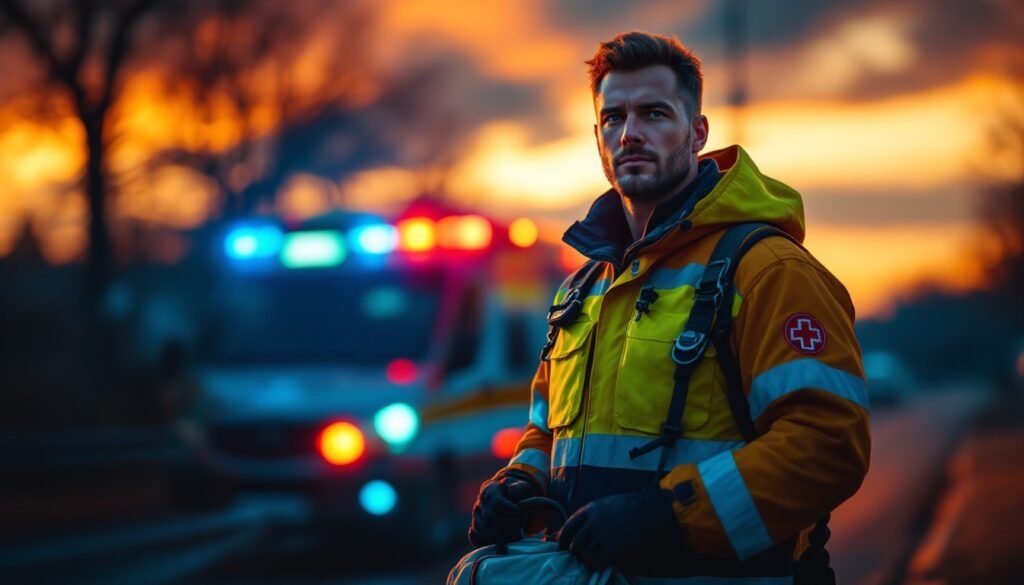
Deciding whether to invest 2 to 4 years of training to become a paramedic is a big decision. Like any career, it comes with both challenges and rewards. To determine if it’s worth the time, it helps to look at the benefits, challenges, and long-term opportunities associated with the role.
1. The Rewards of Being a Paramedic
✔ Making a Real Difference
Paramedics are often the first point of contact for people in critical situations. The ability to save lives, reduce pain, and provide comfort makes the career incredibly rewarding. Many paramedics describe their work as more than just a job it’s a calling.
✔ High Job Demand
Emergency medical services are always needed, and paramedics play a vital role in that system. According to labor statistics, demand for EMTs and paramedics is expected to grow steadily in the coming years, ensuring job stability.
✔ Competitive Salaries
While pay varies by region, experience, and specialization, paramedics generally earn a solid income, with opportunities for overtime pay and higher wages in specialized roles such as flight paramedics or critical care paramedics.
✔ Career Growth Opportunities
Starting as a paramedic can open doors to other healthcare careers. Some professionals move into management roles, teaching, or even continue their education to become nurses, physician assistants, or doctors.
✔ Personal Fulfillment
Few careers offer the level of satisfaction that comes from directly impacting lives in emergencies. Paramedics often develop strong problem-solving skills, resilience, and pride in knowing their work matters.
2. The Challenges to Consider
While rewarding, paramedic work is not easy. It’s important to weigh the challenges as well:
- Long and Irregular Hours: Paramedics often work 12- to 24-hour shifts, including nights, weekends, and holidays.
- Physical Demands: The role involves lifting, carrying patients, and working in stressful environments.
- Emotional Stress: Paramedics see people during their worst moments, which can be emotionally challenging over time.
- Time Commitment for Training: It takes 2–4 years of training and certification before you can fully qualify.
These challenges mean the career is best suited for people who are passionate, resilient, and committed to helping others.
3. Is the Training Worth It?
If you’re passionate about healthcare, enjoy working in fast-paced environments, and want a career that truly changes lives, then yes becoming a paramedic is absolutely worth the time.
For many, the effort pays off not just financially but also in personal fulfillment and career satisfaction. On the other hand, if you prefer a predictable schedule, low-stress work, or jobs that don’t involve physical and emotional challenges, it may not be the right fit.
4. Long-Term Career Value
Another factor to consider is the long-term value of the career:
- Stable Employment: Emergencies will always require skilled responders.
- Transferable Skills: Medical knowledge, critical thinking, and communication skills can carry over to other healthcare roles.
- Opportunities to Specialize: With extra training, paramedics can move into specialized fields that offer higher pay and advanced responsibilities.
Final Thoughts
So, is becoming a paramedic worth the time? For those who want a meaningful career, the answer is usually yes. While the training requires effort and the job can be demanding, the rewards both personal and professional make it one of the most impactful and respected roles in healthcare.
Frequently Asked Questions (FAQ)

1. Can I become a paramedic without being an EMT first?
No. EMT certification is the first step before advancing to paramedic training.
2. Do paramedics need a college degree?
Not always. Some programs only require certification, but others offer associate or bachelor’s degrees in paramedicine.
3. How long does paramedic training itself take?
On average, 1 to 2 years of coursework and clinical practice.
4. Can I work while studying to be a paramedic?
Yes, many students work as EMTs while attending paramedic school.
5. How hard is paramedic school?
It’s challenging, both academically and emotionally, because of the responsibility of saving lives. However, with commitment, it’s achievable.
Conclusion
So, how long does it take to become a paramedic? The answer depends on your chosen path, but for most people, it takes 2 to 4 years from start to finish. This includes becoming an EMT, gaining experience, completing paramedic training, and obtaining certification.
While the journey requires dedication, the reward is a career that makes a real difference in people’s lives. If you’re passionate about healthcare, emergency response, and helping others, becoming a paramedic could be the perfect path for you.