
If you’re wondering how to become a graphic designer in South Africa, you’re not alone. Graphic design is one of the fastest-growing creative careers in the country, offering opportunities in digital marketing, advertising, publishing, and freelance work. From designing logos for start-ups to creating full branding strategies for established companies, graphic designers are in demand across nearly every industry.
In this guide, we’ll break down everything you need to know: what graphic designers do, the skills you’ll need, the education path, where to study in South Africa, costs involved, career opportunities, and practical tips for getting started.
Table of Contents
1. What Does a Graphic Designer Do?
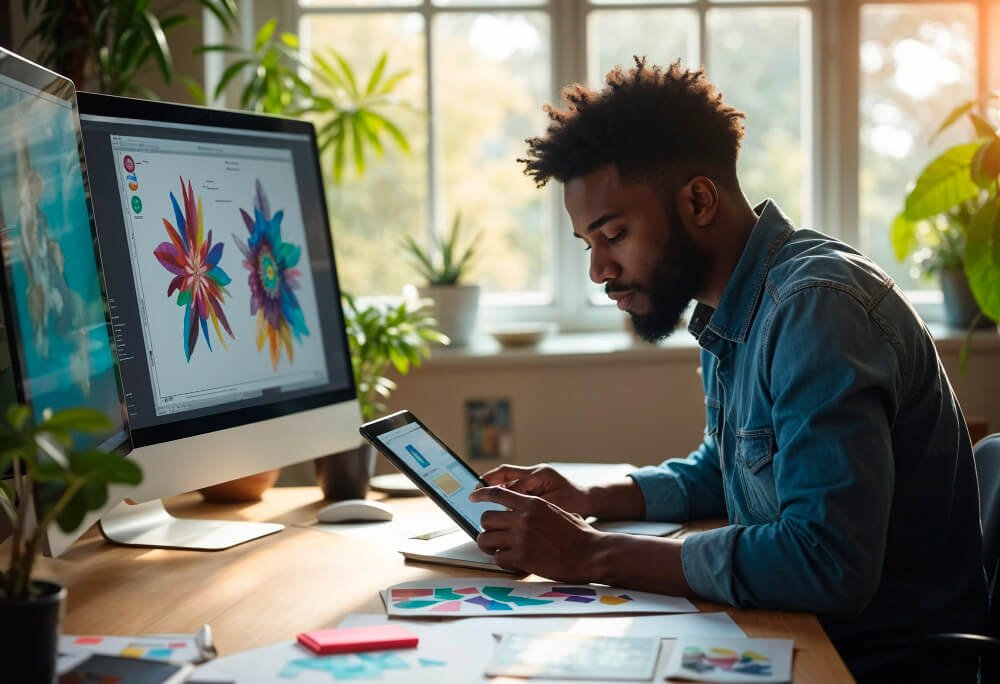
A graphic designer is a visual communicator who uses art and technology to share ideas in a way that is attractive, clear, and effective. Their main goal is to create designs that solve problems whether it’s helping a business stand out with a unique logo, designing a user-friendly website, or making an advertisement that grabs attention.
In South Africa and globally, graphic designers are in demand across industries because every business needs visuals to connect with customers. From billboards and packaging to Instagram posts and websites, designers help bring a brand’s message to life.
Here’s a closer look at what graphic designers actually do:
1. Creating Visual Identities
- One of the most important jobs of a graphic designer is branding.
- This includes designing logos, choosing brand colors, fonts, and creating consistent design styles that reflect a company’s personality.
- For example, a healthcare company might use calm, clean visuals, while a music festival may want bold, energetic designs.
2. Designing for Print Media
- Print design is still a big part of the job in South Africa.
- Designers create brochures, flyers, business cards, packaging, book covers, magazines, and posters.
- In these cases, they carefully balance text, images, and colors to make the material engaging and easy to read.
3. Digital and Online Design
- Today, most graphic designers also work on digital content.
- This includes creating visuals for websites, mobile apps, and social media platforms like Instagram, Facebook, or LinkedIn.
- They might design banners, infographics, advertisements, and user interface (UI) elements that make digital experiences smooth and visually appealing.
4. Advertising and Marketing Support
- Businesses rely on designers to create eye-catching advertisements that attract customers.
- A designer may work closely with marketing teams to design promotional campaigns, email newsletters, and product launch visuals.
- The challenge is to make designs that not only look good but also persuade and guide customer behavior.
5. Working with Design Software
- Graphic designers use professional tools like Adobe Photoshop, Illustrator, and InDesign to create high-quality visuals.
- Many also use newer tools such as Figma, Canva, and CorelDRAW.
- These software programs allow designers to experiment with typography, color, images, and layouts to bring ideas to life.
6. Collaborating with Clients and Teams
- Graphic design is not just about creativity it’s about understanding the client’s goals.
- Designers meet with clients or teams to discuss projects, ask questions, and present design drafts for feedback.
- Communication is key, because a successful design must balance the client’s needs with the designer’s creativity.
7. Problem-Solving Through Design
- At its core, graphic design is about solving problems visually.
- Example: If a company’s sales are low because their packaging doesn’t stand out, a graphic designer may redesign it to be more appealing.
- Or, if a website is confusing to use, a designer may restructure the layout for better user experience (UX).
8. Keeping Up with Trends
- Graphic designers must constantly update their skills to stay relevant.
- New trends, such as minimalism, 3D design, motion graphics, or AI-assisted design, are shaping the industry.
- By staying updated, designers keep their work modern and competitive.
✅ In summary: A graphic designer is not just an “artist” they are a visual problem-solver. They combine creativity, technology, and communication to design everything from logos and packaging to websites and digital ads. Their work helps businesses and individuals share messages in ways that are memorable and effective.
2. Skills Needed to Become a Graphic Designer
Graphic design is both a creative and a technical career. To succeed, you’ll need a combination of soft skills and hard skills:
- Creativity and Imagination: The ability to think outside the box and generate unique ideas.
- Technical Proficiency: Knowledge of design software (Adobe Creative Suite, Canva, Figma, etc.).
- Attention to Detail: Small adjustments in typography, alignment, or color can make or break a design.
- Communication Skills: Understanding client needs and presenting your design ideas clearly.
- Time Management: Meeting deadlines and balancing multiple projects.
- Problem-Solving: Turning vague client requests into effective visual solutions.
- Adaptability: Trends and tools in design change quickly, so constant learning is important.
3. Education Path for Graphic Designers in South Africa

Unlike careers in medicine or law, there’s no single “fixed path” to becoming a graphic designer. You can pursue formal qualifications or build your career through short courses and self-learning.
Option 1: Formal Degree or Diploma
- Duration: 3–4 years (degree) or 2–3 years (diploma)
- Examples:
- BA in Graphic Design
- Diploma in Visual Communication
- Bachelor of Arts in Multimedia Design
- Where to study: Universities of Technology (Tshwane, Durban, Cape Peninsula), private colleges (Vega School, Inscape, Open Window).
- Pros: Recognized qualification, structured curriculum, networking opportunities.
- Cons: Can be expensive, longer time commitment.
Option 2: Short Courses and Certificates
- Duration: 6 months – 2 years
- Where to study: Colleges like CTU Training Solutions, Red & Yellow Creative School, online platforms like Coursera, Udemy, LinkedIn Learning.
- Pros: Flexible, affordable, faster entry into the job market.
- Cons: May require self-discipline, less recognition compared to a degree.
Option 3: Self-Taught Designer (Freelance Path)
- Learn online through free/paid resources.
- Build skills using tools like Adobe Illustrator, Photoshop, Canva, and Figma.
- Practice by creating logos, mock projects, and social media graphics.
- Start freelancing on platforms like Fiverr, Upwork, or local South African job boards.
- Pros: Low cost, flexible, practical experience.
- Cons: Requires motivation, may lack formal recognition.
4. Cost of Studying Graphic Design in South Africa
Tuition costs vary depending on the institution:
- Universities: R40,000 – R80,000 per year (degree programs).
- Private Colleges: R50,000 – R100,000 per year.
- Short Courses: R5,000 – R20,000 depending on the course.
- Online Courses: R500 – R5,000 for specific modules.
Additional costs:
- Laptop or desktop computer with strong graphics capabilities
- Design software subscriptions (Adobe Creative Cloud costs around R400 – R600/month in South Africa)
- Internet connection for online learning and freelance work
5. Steps to Become a Graphic Designer in South Africa

If you’re interested in becoming a graphic designer in South Africa, you’ll be glad to know that the career path is flexible. Some designers take the traditional route of studying at universities or colleges, while others build skills through online courses and self-learning. What matters most is building strong design skills, creating a professional portfolio, and gaining practical experience.
Here’s a step-by-step guide to help you get started:
Understand What Graphic Design Involves
Before you commit to the career, make sure you understand what graphic design really is. It’s not just about making things look pretty it’s about communicating ideas visually. Spend some time researching what graphic designers do (branding, digital design, advertising, etc.) to see if this field matches your interests.
Develop Creative and Artistic Skills
Graphic design is a creative field, so having a natural eye for color, shapes, and layouts is useful. You don’t need to be a painter or illustrator, but you should enjoy experimenting with visuals. Many aspiring designers practice by:
- Sketching ideas on paper.
- Redesigning posters or ads they see.
- Exploring free design tools like Canva before moving on to advanced software.
Get the Right Education (Formal or Informal)
There are two main ways to study graphic design in South Africa:
- Formal Education:
- Universities and colleges such as the University of Johannesburg, Vega School, or Inscape Design College offer diplomas and degrees in graphic design.
- These courses typically cover design theory, software, branding, and visual communication.
- Duration can range from 1 to 4 years, depending on whether you do a diploma, certificate, or degree.
- Short Courses and Online Learning:
- Platforms like Coursera, Udemy, or LinkedIn Learning offer affordable online design courses.
- These are great if you cannot attend full-time study or if you want to upskill quickly.
- Many South Africans start here, especially if they want to build a freelance career.
👉 Tip: Whether you choose a degree or online courses, make sure you learn the industry-standard design software such as Adobe Photoshop, Illustrator, and InDesign.
Build Technical Skills
Graphic designers need strong technical knowledge. Some key areas to focus on include:
- Software proficiency (Adobe Creative Suite, CorelDRAW, Figma, Canva).
- Typography (choosing and combining fonts).
- Color theory (understanding how colors influence mood and branding).
- Layout design (arranging text and visuals for readability).
- User experience (UX) basics if you want to work on web and app design.
Create a Strong Portfolio
A portfolio is more important than your CV in the design world. Employers and clients want to see your work. Your portfolio should include:
- Logo designs.
- Posters or flyers.
- Social media graphics.
- Website or app design samples.
- Any freelance or student projects you’ve completed.
👉 Even if you don’t have clients yet, you can create mock projects (e.g., redesigning the logo of a local café or creating a new poster for a charity). This shows creativity and initiative.
Gain Practical Experience
Hands-on experience makes a big difference. You can:
- Apply for internships with marketing agencies or design studios.
- Offer to design for small businesses, NGOs, or student societies.
- Start freelancing on platforms like Fiverr or Upwork.
- Collaborate with friends who need branding for their side projects.
Each real project will sharpen your skills and give you work samples for your portfolio.
Stay Updated and Keep Learning
Design trends change quickly. What was popular five years ago may feel outdated today. As a graphic designer in South Africa, you should:
- Follow global and local design trends.
- Learn new tools (like AI-assisted design or motion graphics).
- Attend design events or workshops.
- Join online communities where designers share feedback and ideas.
Decide on Your Career Path
Once you’re confident in your skills, you can choose between:
- Freelancing: Working independently with different clients. Great for flexibility, but requires self-marketing.
- Agency work: Joining a marketing or design agency, where you’ll handle multiple brands and campaigns.
- Corporate design: Working in-house for a company, focusing on their branding and marketing needs.
- Specialisation: Some designers specialise in areas like packaging, UI/UX design, or motion graphics.
Network and Market Yourself
In South Africa’s competitive job market, networking can open many doors. You can:
- Create a professional LinkedIn profile showcasing your portfolio.
- Join creative communities like Behance or Dribbble.
- Connect with local entrepreneurs or small businesses.
- Build a personal brand on social media to showcase your work.
✅ In summary: To become a graphic designer in South Africa, you’ll need creativity, technical training, a strong portfolio, and real-world experience. Whether you study at a university or teach yourself through online courses, the key is to practice, keep learning, and showcase your talent to the right people.
6. Career Opportunities for Graphic Designers in South Africa

Graphic design is one of the most versatile careers in South Africa today. With businesses, brands, and organisations relying heavily on visual communication, the demand for skilled graphic designers continues to grow. Whether you prefer working in a corporate environment, joining an agency, or freelancing independently, there are plenty of opportunities to build a fulfilling career.
Here are some of the main career paths available to graphic designers in South Africa:
Advertising and Marketing Agencies
One of the most common employers of graphic designers is advertising and marketing agencies. These agencies work with multiple clients, which means designers get to create:
- Campaign visuals.
- Print and digital advertisements.
- Social media graphics.
- Product packaging designs.
👉 Working in an agency allows you to gain experience across different industries, making it a great starting point for new designers.
In-House Corporate Design
Many large companies in South Africa from retail chains to banks employ graphic designers as part of their in-house marketing teams. Here, your role would be to maintain and grow the company’s brand identity by designing:
- Brochures, flyers, and annual reports.
- Internal communication materials.
- Digital content for the company’s website and social media.
This option is ideal if you prefer job stability and long-term career growth with one employer.
Freelancing and Entrepreneurship
Freelancing is becoming increasingly popular in South Africa, especially with the rise of online platforms like Upwork, Fiverr, and local job boards. As a freelancer, you can:
- Work with international clients online.
- Build your own design studio or personal brand.
- Set your own pricing and choose projects you’re passionate about.
👉 The freelance path requires strong self-marketing skills, but it offers flexibility, independence, and unlimited income potential if you’re consistent.
Digital and Web Design
As more businesses shift online, graphic designers with web and digital skills are in high demand. Careers in this space include:
- UI/UX design for websites and mobile apps.
- E-commerce graphics such as product images and banners.
- Social media content creation for platforms like Instagram, TikTok, and Facebook.
South Africa’s fast-growing digital economy makes this an exciting path with plenty of growth opportunities.
Branding and Identity Design
Companies need strong visual identities to stand out. Graphic designers can specialise in brand development, which involves:
- Designing logos and color palettes.
- Creating brand guidelines.
- Developing packaging and signage.
This niche is especially valuable for startups and small businesses that want a professional image.
Publishing and Print Media
Although digital platforms are growing, print design is still relevant in South Africa. Opportunities exist in:
- Magazine and newspaper layout design.
- Book and cover design.
- Brochure and catalogue production.
If you enjoy traditional media, publishing can be a rewarding career path.
Motion Graphics and Multimedia
With video content dominating online platforms, motion graphics is a fast-growing niche. Designers with skills in animation and video editing can work in:
- TV and film production.
- Digital advertising campaigns.
- Social media video content.
- Educational and corporate training videos.
Teaching and Training
Experienced graphic designers often move into education. You can:
- Teach at design schools or universities.
- Offer private lessons or online tutorials.
- Create paid courses for aspiring designers.
This path allows you to share knowledge while building a steady income stream.
Niche Specialisations
Graphic design is broad, and many designers choose to specialise in areas they are passionate about, such as:
- Packaging design for retail products.
- Environmental design (signage, event branding, exhibition stands).
- Infographic design for data-driven industries like finance or healthcare.
- Gaming and entertainment graphics for character design, skins, or virtual worlds.
Remote and International Opportunities
Thanks to the internet, South African designers are no longer limited to local clients. With strong portfolios and networking, designers can land remote jobs or freelance contracts with companies in Europe, the US, or Asia. This not only provides exposure but can also lead to higher-paying opportunities.
✅ In summary: Graphic designers in South Africa have diverse career opportunities ranging from traditional print and advertising to cutting-edge digital design and freelancing. The key is to identify your strengths, build a strong portfolio, and keep updating your skills to remain competitive in a rapidly evolving industry.
7. Salary Expectations for Graphic Designers in South Africa
Salaries vary depending on experience, location, and whether you work full-time or freelance:
- Entry-level (0–2 years): R120,000 – R180,000 per year
- Mid-level (3–5 years): R200,000 – R350,000 per year
- Senior-level (5+ years): R400,000 – R600,000 per year
- Freelancers: Can earn anywhere between R5,000 – R50,000+ per month depending on clients and workload
Freelancing allows flexibility, but income can be unpredictable at first. Many designers start with full-time jobs and later move into freelance work.
8. Challenges of Becoming a Graphic Designer
Like any career, graphic design has challenges:
- Competitive industry with many graduates and freelancers.
- Clients sometimes undervalue creative work.
- Deadlines can be tight and stressful.
- Keeping up with rapidly changing design software and trends.
Despite these challenges, skilled designers who build strong portfolios often thrive.
9. Rewards of Being a Graphic Designer
The career also comes with major rewards:
- Creative Expression: Turn ideas into visuals that influence people.
- Flexibility: Many designers work remotely or freelance.
- High Demand: Every business needs design, from small startups to large corporations.
- Diverse Projects: Work ranges from branding and advertising to digital art and animation.
- Satisfaction: Seeing your work used in real-world campaigns, packaging, or online platforms is very rewarding.
10. Tips for Aspiring Graphic Designers in South Africa

- Start practicing early, even with free tools like Canva or GIMP.
- Follow South African design trends — check out local agencies and creative competitions.
- Build a portfolio with at least 10 strong projects.
- Network with local businesses that might need design services.
- Consider joining professional groups like the South African Institute of Graphic Designers (SAIGD).
- Never stop learning — design is an evolving field.
Final Thoughts
So, how to become a graphic designer in South Africa? The path depends on your goals, budget, and level of commitment. You can take the formal education route with a degree or diploma, enroll in short courses, or even teach yourself through online platforms. Regardless of the path you choose, the keys to success are building strong design skills, developing a portfolio, and gaining real-world experience.
Graphic design offers a creative, flexible, and rewarding career with plenty of opportunities in South Africa’s growing digital economy. If you have a passion for visuals, technology, and storytelling, now is the perfect time to start your journey.