How to become a diplomat in South Africa is a dream for many individuals who aspire to represent the country on the global stage and influence international relations. Diplomats play a vital role in building partnerships, negotiating agreements, promoting trade, and protecting South African citizens abroad. However, the path to becoming a diplomat can seem complex if you’re just starting out.
In this comprehensive guide, we’ll walk you through everything you need to know — from educational requirements and essential skills to the application process and career prospects. By the end, you’ll have a clear roadmap to help you start your journey toward a rewarding diplomatic career.
Table of Contents
Who Is a Diplomat? How to Become a Diplomat in South Africa
A diplomat is an official representative of the South African government who works abroad or within the country to manage international relations. Diplomats represent the nation’s interests, negotiate treaties, assist South Africans abroad, and promote trade, culture, and political cooperation with other countries.
In South Africa, diplomats work under the Department of International Relations and Cooperation (DIRCO), which is responsible for managing foreign policy and maintaining relationships with other nations.
Roles and Responsibilities of a South African Diplomat
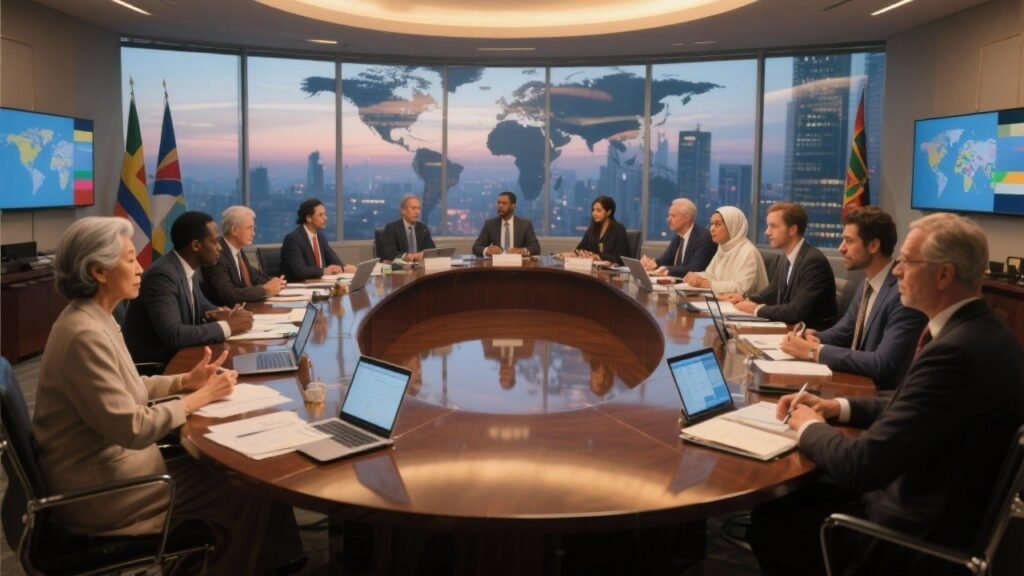
Diplomats play a vital role in shaping South Africa’s international relationships. As official representatives of the country, they work to protect national interests, promote development, and build strong ties with other nations. While the specific tasks of a diplomat can vary depending on their rank, specialization, and posting, their overall purpose is to represent South Africa on the global stage.
Below is a detailed breakdown of their key roles and responsibilities:
1. Representing South Africa Internationally
One of the most important duties of a diplomat is to act as the face of South Africa in the country where they are posted. They attend meetings, conferences, and events where they speak on behalf of the government and promote national policies.
Examples include:
- Attending United Nations summits
- Representing South Africa at African Union (AU) meetings
- Participating in bilateral and multilateral negotiations
2. Negotiating International Agreements
Diplomats are often involved in negotiating treaties and agreements with other nations. These agreements can relate to:
- Trade and investment deals
- Environmental cooperation
- Peacekeeping initiatives
- Educational and cultural exchange programs
Successful negotiations help South Africa strengthen partnerships and secure opportunities for growth and development.
3. Promoting Trade, Investment, and Tourism
Diplomats play a significant role in boosting South Africa’s economy by:
- Encouraging foreign investors to do business in South Africa
- Supporting South African companies that want to enter foreign markets
- Promoting tourism by showcasing the country’s attractions abroad
This type of work is often carried out by economic diplomats and trade attachés who focus on business relations and partnerships.
4. Providing Consular Services to South Africans Abroad
Diplomats also assist South African citizens living, working, or traveling overseas. Their consular responsibilities include:
- Issuing emergency travel documents
- Assisting with lost passports
- Helping citizens in legal trouble abroad
- Coordinating support in cases of natural disasters or emergencies
- Offering guidance during political unrest in the host country
This ensures that South Africans abroad are protected and supported by their government.
5. Monitoring Political and Economic Developments
Diplomats are tasked with gathering and analyzing information about their host country. This helps the South African government:
- Understand political shifts and policies abroad
- Identify economic opportunities and risks
- Track security concerns and global trends
By providing accurate and timely reports, diplomats enable policymakers in Pretoria to make informed foreign policy decisions.
6. Building Cultural and Educational Exchanges
Diplomats also foster cultural understanding and collaboration between South Africa and other nations. They:
- Organize cultural events and South African exhibitions
- Support student exchange programs
- Facilitate partnerships between universities and research institutions
- Promote South African arts, music, and traditions on a global platform
This soft diplomacy builds stronger international relationships and promotes mutual respect between nations.
7. Assisting in Peacekeeping and Conflict Resolution
In regions affected by conflict or instability, South African diplomats may:
- Mediate between warring parties
- Participate in peace talks
- Represent South Africa in regional peacekeeping missions
This is especially significant within the African continent, where South Africa has historically played an active role in promoting peace and stability.
8. Supporting Environmental and Humanitarian Initiatives
South African diplomats also work on global challenges like climate change, food security, and disaster response. They:
- Advocate for sustainable development policies
- Collaborate with international bodies on environmental agreements
- Coordinate humanitarian aid during natural disasters or crises
This ensures that South Africa remains an active contributor to global problem-solving.
9. Upholding South Africa’s Image Abroad
A diplomat’s behavior, communication, and professionalism directly impact how the world views South Africa. They are expected to:
- Demonstrate integrity and respect
- Maintain strong international relationships
- Showcase South Africa’s values, diversity, and innovation
By upholding the country’s reputation, diplomats strengthen trust and credibility on the global stage.
10. Supporting Regional Integration in Africa
Since South Africa is part of several African regional organizations, diplomats work closely with:
- SADC (Southern African Development Community)
- AU (African Union)
- Other regional economic communities
Their role includes negotiating trade frameworks, strengthening cross-border partnerships, and promoting unity within Africa.
Summary
In short, the roles and responsibilities of a South African diplomat can be grouped into four main areas:
| Core Area | Key Responsibilities |
|---|---|
| Representation | Acting as South Africa’s voice abroad |
| Negotiation | Securing agreements and partnerships |
| Promotion | Encouraging trade, investment, and cultural exchange |
| Protection | Assisting South African citizens overseas |
Diplomats bridge the gap between South Africa and the rest of the world, working tirelessly to advance national interests, strengthen partnerships, and promote development.
Minimum Requirements to Become a Diplomat in South Africa
Before you can join the diplomatic corps, you must meet certain basic eligibility requirements:
- Citizenship: Must be a South African citizen.
- Age: At least 18 years old (some positions may require you to be 21 or older).
- Education: A relevant bachelor’s degree (see details below).
- Clean criminal record: Background checks are mandatory.
- Language proficiency: Strong command of English is required; proficiency in additional languages is an advantage.
- Good health: Some postings may require medical fitness assessments.
Educational Qualifications Needed

To qualify for a diplomatic career in South Africa, you typically need at least a bachelor’s degree. Popular and relevant fields include:
- International Relations
- Political Science
- Law
- Economics
- Public Administration
- Languages
- Sociology or Anthropology
💡 Pro Tip: For better career prospects, consider pursuing a master’s degree in International Relations or Diplomacy.
Key Skills Every Diplomat Needs

Becoming a successful diplomat in South Africa requires more than just a degree or technical knowledge. Diplomacy is about building relationships, solving problems, and representing the country’s interests on the international stage. To thrive in this role, you need a combination of soft skills, analytical abilities, and personal qualities.
Below, we’ll explore the essential skills every diplomat needs to excel in their career.
1. Excellent Communication Skills
Effective verbal and written communication is at the heart of diplomacy. Diplomats often speak on behalf of South Africa at international meetings, summits, and negotiations.
Key aspects of communication include:
- Public speaking: Confidently presenting South Africa’s position in conferences and forums.
- Active listening: Understanding the perspectives and concerns of other nations.
- Clear writing: Drafting official reports, policy briefs, and agreements without ambiguity.
A skilled diplomat must communicate clearly, persuasively, and respectfully.
2. Negotiation and Persuasion Skills
Diplomats frequently negotiate treaties, trade deals, and cooperation agreements with other countries. To succeed, they must:
- Understand both parties’ interests
- Find mutually beneficial solutions
- Use persuasive techniques without creating conflict
- Remain calm under pressure
Strong negotiation skills allow diplomats to advance South Africa’s national interests while maintaining positive relationships with other nations.
3. Cultural Awareness and Sensitivity
Since diplomats often live and work in foreign countries, they need a deep understanding of cultural norms and traditions. Misunderstanding cultural differences can create diplomatic tensions.
Cultural awareness includes:
- Respecting local customs and values
- Adapting communication styles based on the host country
- Building trust and cooperation with foreign counterparts
By embracing cultural diversity, diplomats strengthen South Africa’s image abroad and foster mutual understanding.
4. Problem-Solving and Critical Thinking
International relations are complex and sometimes unpredictable. Diplomats must be able to:
- Analyze global issues from multiple perspectives
- Anticipate potential risks and conflicts
- Find creative solutions that benefit South Africa while respecting other nations’ interests
For example, when trade negotiations stall or a political disagreement arises, a skilled diplomat uses critical thinking to find common ground.
5. Emotional Intelligence (EQ)
Diplomats interact with people from diverse backgrounds and handle high-pressure situations. Emotional intelligence helps them:
- Stay calm and composed in challenging moments
- Show empathy and understanding towards others
- Build trust-based relationships with international counterparts
- Manage stress during crises or intense negotiations
A high EQ allows diplomats to connect effectively with others and resolve issues diplomatically and peacefully.
6. Leadership and Decision-Making Abilities
Diplomats often lead teams of specialists or manage South African embassies and consulates. Strong leadership skills are essential to:
- Motivate and guide team members
- Make informed decisions during urgent situations
- Represent South Africa’s interests confidently
- Coordinate projects involving multiple government departments
Good leadership ensures smooth operations and effective implementation of foreign policies.
7. Networking and Relationship-Building
Diplomacy revolves around building long-term relationships with:
- Government officials
- International organizations
- Business leaders
- Civil society representatives
Strong networking skills help diplomats:
- Access valuable information
- Create strategic alliances
- Promote South Africa’s interests collaboratively
A successful diplomat invests time in maintaining strong professional connections worldwide.
8. Language Proficiency
While English is widely used in diplomacy, speaking multiple languages gives diplomats a significant advantage. Proficiency in languages such as French, Portuguese, Mandarin, Arabic, or Spanish can:
- Make negotiations smoother
- Build trust with foreign counterparts
- Demonstrate respect for other cultures
Multilingualism is especially valuable for South African diplomats working in African, European, and Asian regions.
9. Adaptability and Flexibility
Diplomatic postings often require diplomats to relocate to different countries, sometimes on short notice. They must be able to:
- Adjust to new environments and cultures
- Handle unexpected political or economic changes
- Remain effective and professional despite challenges
Adaptability ensures diplomats thrive anywhere in the world, regardless of local conditions.
10. Research and Analytical Skills
Diplomats constantly analyze:
- Political trends
- Economic policies
- International security issues
- Global market opportunities
Strong research skills enable them to prepare accurate reports and recommendations for the South African government. Being informed allows them to negotiate effectively and influence policy decisions.
11. Integrity and Professionalism
Diplomats are entrusted with sensitive information and represent the South African government abroad. To maintain credibility, they must:
- Uphold high ethical standards
- Avoid conflicts of interest
- Handle confidential matters with discretion
- Maintain professional conduct at all times
Integrity builds trust between nations and safeguards South Africa’s reputation globally.
12. Teamwork and Collaboration
Diplomats rarely work alone. They coordinate with:
- Other diplomats and embassy staff
- Officials from different government departments
- International partners and organizations
Being a team player ensures smoother operations and successful diplomatic missions.
Final Thoughts
Developing these key skills is crucial for anyone aspiring to become a successful diplomat in South Africa. While academic qualifications are important, your ability to communicate, negotiate, adapt, and lead will set you apart in the competitive world of diplomacy.
Diplomats represent South Africa’s voice in international affairs, and mastering these skills ensures they protect the nation’s interests, build strong partnerships, and maintain South Africa’s global influence.
Step-by-Step Guide to Becoming a Diplomat in South Africa
Here’s a clear roadmap to help you get started:
Step 1: Obtain the Right Qualification
Enroll in a bachelor’s program related to international relations, political science, or law.
Step 2: Gain Relevant Experience
Work in areas like public administration, foreign affairs, or international NGOs to build your resume.
Step 3: Apply Through DIRCO
All diplomatic positions are advertised on the DIRCO careers portal and the South African government jobs website.
Step 4: Pass the Selection Process
This typically includes:
- Written assessments
- Interviews
- Background checks
Step 5: Complete Diplomatic Training
Successful candidates undergo specialized diplomatic training programs organized by DIRCO.
Step 6: Get Posted Abroad or Locally
Once trained, you may be assigned to:
- South African embassies
- High commissions
- Consulates
- DIRCO headquarters
How DIRCO Recruits Diplomats
The Department of International Relations and Cooperation (DIRCO) is responsible for hiring South African diplomats. Here’s what you should know:
- Recruitment is competitive.
- Open positions are posted on the DIRCO website and www.gov.za.
- Applicants must submit a detailed CV, certified qualifications, and other supporting documents.
- Shortlisted candidates undergo screening tests and interviews.
Training and Development for Diplomats
Once accepted, future diplomats undergo comprehensive training that covers:
- International law and relations
- Protocol and etiquette
- Economic and trade negotiations
- Consular services
- Language enhancement programs
- Security and crisis management
Types of Diplomats in South Africa
South Africa has several categories of diplomats, including:
- Ambassadors / High Commissioners – Represent the country at the highest level.
- Consuls / Vice-Consuls – Handle citizen services and trade promotion.
- Attachés – Specialists in areas like defense, culture, or trade.
- Economic Diplomats – Focus on investment and trade relations.
- Political Diplomats – Manage bilateral and multilateral relations.
Career Growth and Salary Expectations
Diplomatic careers offer steady growth and attractive benefits:
- Entry-level salary: ±R300,000 – R450,000 per year
- Mid-level salary: ±R500,000 – R800,000 per year
- Senior diplomats / ambassadors: ±R1 million+ per year
Other benefits include housing allowances, travel perks, and international exposure.
Challenges of Being a Diplomat
Being a diplomat isn’t always glamorous. Some challenges include:
- Living away from home for extended periods
- Adapting to new cultures and environments
- Handling international crises
- Navigating political sensitivities
- Maintaining a work-life balance
Benefits of Being a Diplomat
Despite the challenges, diplomacy offers many rewards:
- Representing South Africa on a global stage
- Traveling and working internationally
- Building influential networks
- Competitive salaries and allowances
- Making a direct impact on international relations
Tips for Aspiring Diplomats

- Start early — focus on international relations courses.
- Learn additional languages like French, Mandarin, or Portuguese.
- Stay updated on global politics and current affairs.
- Develop negotiation and communication skills.
- Network with professionals in government and international organizations.
Frequently Asked Questions (FAQ)
1. How long does it take to become a diplomat in South Africa?
On average, it takes 4–6 years after high school, depending on your degree and recruitment timelines.
2. Do I need a law degree to be a diplomat?
No, but degrees in international relations, political science, or law are highly recommended.
3. Are diplomats allowed to choose where they are posted?
Generally, DIRCO assigns postings based on organizational needs, but diplomats can express preferences.
4. Can I become a diplomat without experience?
It’s possible, but having public service or international relations experience improves your chances.
Conclusion
Becoming a diplomat in South Africa is a challenging yet rewarding journey. It requires academic preparation, strategic skills, and a strong commitment to representing your country’s interests abroad.
If you’re passionate about international relations and serving South Africa on a global stage, start by pursuing the right qualifications, gaining relevant experience, and keeping an eye on DIRCO recruitment opportunities.
Your journey to becoming a diplomat begins today with the right education, skills, and determination, you can represent South Africa with pride.