

Have you ever dreamed of seeing yourself on TV, starring in a movie, or performing on stage? If so, you might be wondering how to become an actor in South Africa. The good news is that South Africa has a growing film, television, and theatre industry, making it an excellent place to start an acting career.
Whether you’re fresh out of school, looking for a career change, or simply passionate about storytelling, this guide will walk you through everything you need to know from developing your skills to landing auditions and building a successful career.
Table of Contents
1. Understanding the South African Acting Industry

If you want to become an actor in South Africa, the first step is to understand how the local acting industry works. South Africa’s entertainment sector is diverse and rapidly growing, providing opportunities in film, television, theatre, commercials, and digital media. Knowing where these opportunities lie and how the industry operates will help you make smarter career decisions.
Growth of the South African Entertainment Industry
Over the past decade, South Africa’s film and TV industry has seen tremendous growth, attracting both local and international productions. Some of the factors driving this growth include:
- High-quality local productions: Popular shows like Generations, Uzalo, Skeem Saam, and The Queen have built a huge demand for talented actors.
- International productions: Hollywood and European filmmakers increasingly choose South Africa for filming because of its scenic locations, cost-effective production environment, and skilled talent pool.
- Streaming platforms: Platforms like Netflix, Showmax, and Amazon Prime are investing heavily in South African content, creating even more opportunities for actors.
This expansion means there’s room for newcomers, but you must understand the different sectors of the industry to know where you fit in best.
Key Sectors of the Acting Industry in South Africa
South Africa’s acting industry can be divided into several major sectors:
a) Film
- Local Films: South Africa produces a growing number of locally directed films showcased in cinemas and festivals.
- International Films: Blockbuster productions like Avengers: Age of Ultron and Mad Max: Fury Road have been shot here, giving local actors chances to participate in global projects.
b) Television
Television is one of the biggest employers of actors in the country. South African TV offers a wide range of opportunities, such as:
- Soap operas (Generations, Uzalo, Scandal!).
- Drama series (The River, Housekeepers).
- Reality shows and talk shows.
c) Theatre
If you’re passionate about live performance, theatre offers a chance to hone your skills while connecting directly with audiences. Johannesburg, Cape Town, and Durban have thriving theatre scenes with institutions like:
- The Market Theatre (Johannesburg)
- Baxter Theatre Centre (Cape Town)
- Playhouse Company (Durban)
d) Commercials and Voice Acting
Advertising is a huge part of the industry. Actors are needed for:
- Television and radio adverts.
- Digital and social media campaigns.
- Voiceovers for commercials, animated films, and video games.
e) Digital Media and Online Content
The rise of YouTube, TikTok, and Instagram Reels has opened doors for actors to create their own platforms. Many successful South African actors started by showcasing their talents online before landing professional gigs.
Opportunities for New Actors
While South Africa has many established actors, there’s a growing demand for fresh talent, especially in:
- Streaming content: Netflix originals like Blood & Water and Queen Sono introduced new actors to international audiences.
- Commercials: Brands are always looking for new faces to represent their products.
- Student films: Film schools like AFDA and Wits produce dozens of student projects each year, which are perfect for beginners to gain experience.
For newcomers, these smaller projects are often the first stepping stones toward bigger opportunities.
Challenges Within the Industry
While there are opportunities, it’s important to stay realistic about potential challenges:
- High competition: Hundreds of actors often audition for the same role.
- Financial instability: Acting jobs are often project-based, and consistent work can take time.
- Scams and exploitation: Unfortunately, some fake agencies and casting calls prey on aspiring actors. Always research opportunities and avoid paying upfront fees.
By understanding these challenges, you can prepare yourself mentally and financially before entering the industry.
International Exposure
One of the biggest advantages of starting an acting career in South Africa is the access to international productions. Major film studios frequently shoot in Cape Town, Johannesburg, and Durban, offering local actors:
- Opportunities to work alongside international stars.
- Global networking possibilities.
- The chance to build a portfolio that appeals to both local and foreign markets.
With the right training and preparation, South African actors can make the leap to Hollywood, Nollywood, or European cinema.
Why Understanding the Industry Matters
Knowing how the acting industry operates in South Africa helps you:
- Choose the right path — whether you want to focus on theatre, TV, film, or commercials.
- Set realistic goals based on available opportunities.
- Prepare strategically by building a strong portfolio, finding reputable casting agencies, and staying informed about current trends.
Final Thoughts
The South African acting industry is vibrant, competitive, and full of opportunities. Whether you dream of starring in local soapies, performing on stage, or working on international films, understanding the industry is the first step toward success.
By learning about the different sectors, staying updated on trends, and being aware of both the opportunities and challenges, you can make informed choices and confidently take your first steps into the world of acting.
2. Do You Need Qualifications to Become an Actor?
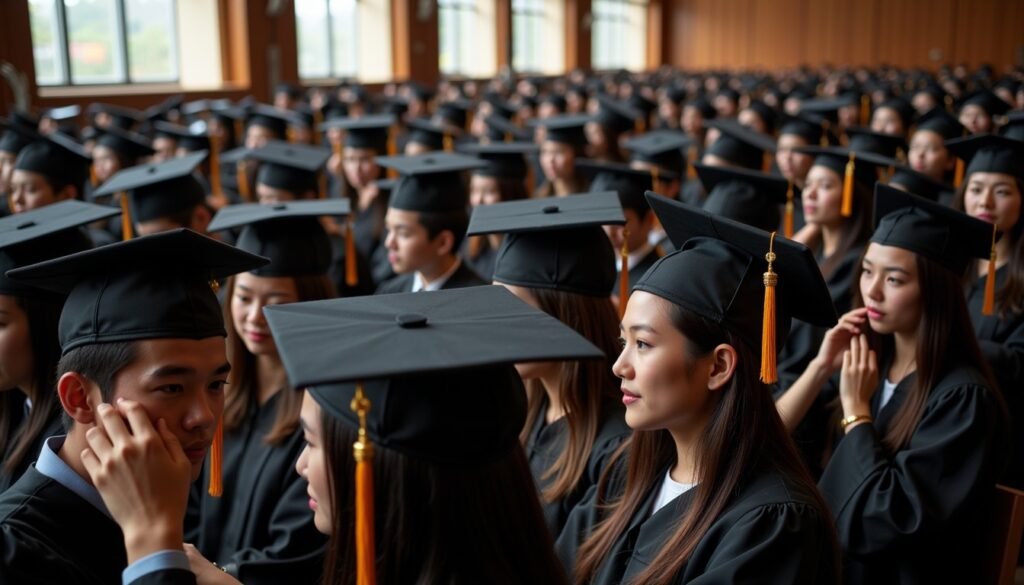
You don’t need a formal qualification to start acting in South Africa, but training can give you a competitive edge. There are two main routes:
a) Formal Training
Enrolling in a drama or performing arts school helps you develop acting techniques, stage presence, and industry knowledge. Some top institutions include:
- University of Cape Town (UCT) – Drama Department
- University of the Witwatersrand (Wits) – School of Arts
- AFDA – The School for the Creative Economy
- The Market Theatre Laboratory
- CityVarsity School of Media and Creative Arts
Formal training offers structured learning, networking opportunities, and exposure to industry professionals.
b) Self-Taught Path
Some successful actors are self-taught. You can:
- Join local theatre groups or community plays.
- Watch films, TV shows, and theatre performances to study acting techniques.
- Take online acting classes and workshops.
- Practice monologues and record self-tapes to improve your skills.
3. Building a Strong Acting Foundation
Before you start auditioning, you need to develop your craft. Here’s how:
a) Learn Acting Techniques
Familiarize yourself with popular methods like:
- Stanislavski Method – Focuses on emotional memory and realism.
- Meisner Technique – Encourages natural reactions and spontaneity.
- Method Acting – Involves fully immersing yourself in a character’s life.
b) Improve Your Voice and Speech
Good diction and clear articulation are crucial. Consider voice training to:
- Control your pitch, tone, and projection.
- Neutralize strong accents if required.
- Master different dialects for versatile roles.
c) Work on Your Body Language
Your body communicates as much as your words. Practice:
- Expressive facial movements.
- Controlled gestures and posture.
- Stage presence and confidence.
4. How to Get Acting Experience in South Africa

Breaking into acting requires experience. Start small and build your portfolio:
a) Join Community Theatre
Local theatre groups are a great way to:
- Gain stage experience.
- Meet fellow aspiring actors.
- Learn how live performances work.
b) Student Films and Indie Productions
Film schools like AFDA and Wits regularly produce student films and are often looking for unpaid actors. This is an excellent way to:
- Build your acting reel.
- Learn how a film set operates.
- Network with upcoming filmmakers.
c) TV Extras and Background Roles
Sign up with casting agencies to work as an extra on TV shows and movies. This gives you exposure to professional sets and helps you understand the industry.
5. Creating an Acting Portfolio
A strong portfolio is your calling card. It should include:
- Professional Headshots: Invest in high-quality photos showing different expressions and looks.
- Acting Resume: Highlight training, roles, and relevant skills.
- Showreel: A short video (1–2 minutes) showcasing your best performances.
If you don’t have experience yet, you can record monologues or participate in small projects to build your reel.
6. Finding Auditions in South Africa
a) Register with Casting Agencies
Reputable casting agencies connect actors with roles in TV, film, commercials, and theatre. Examples include:
- FigJam Agency
- GAPA Model and Talent Agency
- Shine Talent
- FigJam Casting
- MLASA (Media, Location & Acting SA)
Always research agencies carefully to avoid scams — legitimate agencies never ask for upfront payments.
b) Online Platforms
Websites like Casting Africa, FilmFreeway, and social media groups often post audition calls.
c) Networking
Attend film festivals, acting workshops, and industry events. The South African film industry is built on relationships, and networking can lead to opportunities.
7. Getting an Agent
Having an agent isn’t mandatory but can significantly boost your career. A good agent will:
- Submit you for roles that suit your profile.
- Negotiate contracts and payment terms.
- Protect your rights as an actor.
When choosing an agent:
- Look for established agencies with a good reputation.
- Check their current client list and success stories.
- Avoid agents who demand upfront fees.
8. Preparing for Audition

Auditions are one of the most important steps in becoming an actor. They’re your opportunity to showcase your talent, personality, and professionalism to casting directors and producers. Whether you’re auditioning for a TV commercial, theatre production, or feature film, preparation is key to standing out from the crowd.
Below is a complete guide to help you prepare effectively for auditions in the South African acting industry.
Understand the Audition Brief
Before anything else, read the audition brief carefully. This document (or email) usually contains all the important details you need, such as:
- Character description – Understand the personality, background, and motivation of the role.
- Script or sides – These are the lines you’ll need to perform.
- Dress code or look requirements – Sometimes you’ll be asked to match a specific style.
- Venue, date, and time – Always double-check these to avoid last-minute stress.
- Audition type – Whether it’s an in-person audition or a self-tape submission.
The more you understand the requirements, the better you can tailor your performance to fit the role.
Research the Project
Casting directors are often impressed when actors show they’ve done their homework. If possible, learn about:
- The production – Is it a TV soapie, film, theatre play, or commercial?
- The production company – Understanding their style can help you prepare appropriately.
- The genre – Auditioning for a comedy is very different from preparing for a drama.
- Key creatives – If the director or producer is known for a specific style, study their previous work.
This extra knowledge will help you deliver a performance that aligns with the production’s vision.
Memorize and Understand Your Lines
If you’re given a script, don’t just memorize the words understand them.
- Know your character’s intentions: Why are they saying these lines?
- Practice with emotion: Deliver the lines naturally instead of sounding robotic.
- Rehearse with someone: Performing with a partner can help improve timing and reactions.
- Prepare for improvisation: Some casting directors test how flexible you are by asking you to change your delivery mid-scene.
Memorizing your lines well allows you to focus on your performance instead of worrying about forgetting words.
Dress Appropriately for the Role
Your clothing should reflect the character without going overboard.
- If you’re auditioning for a corporate role, wear something formal.
- For casual characters, keep it simple and neutral.
- Avoid loud patterns, heavy makeup, or distracting accessories unless they fit the role.
Your goal is to look the part while still keeping the focus on your acting.
Prepare for Self-Tape Auditions
Many South African casting agencies now request self-tape auditions. To stand out, make sure your setup is professional:
- Good lighting – Natural light or a soft ring light works best.
- Clear audio – Use a quiet room and a decent microphone if possible.
- Neutral background – Avoid cluttered or distracting spaces.
- Stable camera – Use a tripod or steady surface instead of holding your phone.
Record multiple takes and submit only your best performance.
Practice Confidence and Body Language
Your presence in the room often speaks louder than your words. Casting directors look for actors who appear confident, approachable, and adaptable.
- Eye contact – Engage with the casting panel without overdoing it.
- Relaxed posture – Stand tall but avoid stiffness.
- Controlled gestures – Use your body to enhance your performance, not distract from it.
Confidence comes with practice and preparation. The more auditions you attend, the better you’ll get.
Be Professional and Respectful
Casting directors appreciate actors who are punctual, polite, and prepared:
- Arrive at least 15 minutes early for in-person auditions.
- Bring a printed copy of your resume and headshot, even if they already have one.
- Listen carefully to instructions and follow them exactly.
- Be respectful to other actors, crew members, and assistants.
Professionalism leaves a lasting impression and can make casting teams consider you for future roles — even if you don’t land the current one.
Manage Audition Anxiety
It’s natural to feel nervous before an audition, but you can manage anxiety with a few techniques:
- Breathing exercises: Take deep, slow breaths to calm your nerves.
- Positive visualization: Picture yourself performing confidently and successfully.
- Practice mindfulness: Focus on the present moment instead of worrying about the outcome.
- Accept rejection: Not getting a role doesn’t mean you failed it just wasn’t the right fit.
The more relaxed you are, the more natural and authentic your performance will be.
Follow Up After the Audition
After submitting a self-tape or attending an audition, it’s okay to send a polite follow-up if you haven’t heard back within the expected timeframe. Keep it short and professional:
“Hi [Casting Director’s Name],
Thank you for considering me for [Project Name]. I really enjoyed auditioning and would love to know if there’s any feedback or updates regarding the role.”
Following up shows enthusiasm and professionalism without being pushy.
Learn From Every Audition
Whether you book the role or not, every audition is an opportunity to grow:
- Review your performance honestly.
- Ask for feedback if possible.
- Identify what you did well and where you can improve.
With time and consistent practice, your confidence and skills will improve, helping you land bigger roles.
Final Thoughts
Preparing for auditions is about more than just memorizing lines it’s about understanding the role, presenting yourself professionally, and showcasing your talent. In South Africa’s competitive acting industry, good preparation sets you apart from thousands of other aspiring actors.
Remember: every audition is a chance to grow, learn, and connect with industry professionals. Even if you don’t land the role, leaving a strong impression can open doors to future opportunities.
9. Navigating the Business Side of Acting
Being an actor isn’t just about performing; it’s also about managing your career:
- Understand Contracts: Always read agreements before signing.
- Manage Your Finances: Acting income can be irregular, so budgeting is crucial.
- Build Your Brand: Use social media platforms like Instagram and TikTok to showcase your talent and gain visibility.
10. Challenges of Becoming an Actor in South Africa
The journey isn’t easy. You’ll face:
- High Competition: Many aspiring actors compete for limited roles.
- Financial Instability: Acting jobs can be inconsistent, especially when starting.
- Rejection: You’ll hear “no” more often than “yes,” but persistence is key.
- Scams: Beware of agencies or workshops that demand large upfront payments.
11. Tips to Succeed as an Actor

- Keep Learning: Acting workshops, masterclasses, and ongoing training are essential.
- Stay Consistent: Apply for roles regularly and attend as many auditions as possible.
- Be Professional: Arrive on time, respect crew members, and follow instructions.
- Network Actively: Relationships open doors in the entertainment industry.
- Be Patient: Success doesn’t happen overnight. Many actors spend years honing their craft.
12. How Much Do Actors Earn in South Africa?
Earnings vary depending on experience and type of work:
- TV Extras: R150 – R500 per day.
- Supporting Roles: R2,000 – R10,000 per episode.
- Lead Roles: R15,000 – R60,000 per month.
- Commercials: Payouts can range from R5,000 to R200,000 depending on usage rights.
While acting can become lucrative, it often starts slow. Many beginners take part-time jobs to support themselves while building their careers.
13. Quick Action Plan
- Start Training – Join drama classes or self-teach through online resources.
- Gain Experience – Act in community theatre, student films, or indie projects.
- Build Your Portfolio – Create professional headshots, a resume, and a showreel.
- Register with Casting Agencies – Apply for roles through trusted sources.
- Network & Market Yourself – Attend events, workshops, and use social media to promote your talent.
- Stay Persistent – Rejections are part of the process; keep improving and trying.
Conclusion
If you’ve been wondering how to become an actor in South Africa, the journey begins with developing your craft, gaining experience, and putting yourself out there. While the road can be competitive, South Africa’s growing film and entertainment industry offers countless opportunities for those willing to work hard and persevere.
Take that first step today your dream role could be closer than you think!