

How to become a chef in South Africa is a question many food enthusiasts ask when they dream of turning their love for cooking into a rewarding profession. The journey to becoming a chef is filled with creativity, passion, and continuous learning but it also requires dedication, patience, and a willingness to work hard. In South Africa, the culinary industry is rapidly growing, with countless opportunities in hotels, restaurants, bakeries, and catering companies across the country.
For someone just starting out, the idea of entering the professional kitchen might feel overwhelming. You may wonder where to study, what qualifications are needed, or how long it takes to build a career as a chef. This guide breaks down everything you need to know from education and training to career growth and the everyday realities of working in a kitchen. Whether you’re a high school student, a career changer, or simply passionate about food, this article will help you understand exactly what it takes to start your culinary journey in South Africa.
Table of Contents
What Does a Chef Do?

A chef is much more than someone who cooks. Chefs are culinary artists responsible for planning menus, managing kitchens, ensuring food safety, and creating memorable dining experiences. Depending on your level and workplace, your daily responsibilities might include:
- Preparing and cooking food according to recipes or your own creativity
- Supervising kitchen staff and delegating tasks
- Managing food inventory and ordering supplies
- Ensuring hygiene and safety standards are met
- Experimenting with new dishes and presentation styles
- Working long hours during busy shifts (especially weekends and holidays)
Being a chef requires stamina, teamwork, and an eye for detail. But for those who are passionate about food, it’s one of the most rewarding careers you can have.
Step-by-Step Process: How to Become a Chef in South Africa
Here’s a clear roadmap to guide you from beginner to professional chef.
1. Discover Your Passion for Cooking
Before you invest time and money into training, make sure you truly enjoy cooking. Start experimenting at home try different cuisines, follow cooking channels, or attend small community cooking classes. Passion and creativity are what set great chefs apart.
2. Complete Your Basic Education
To get into most culinary programs in South Africa, you’ll need at least a Grade 10 certificate, but many institutions prefer Matric (Grade 12). Subjects like Consumer Studies, Hospitality, or Life Sciences can give you a head start.
If you didn’t complete school, don’t worry some private culinary schools offer alternative entry routes based on experience or motivation.
3. Enrol in a Recognised Culinary School
Formal training gives you the foundation you need to work professionally. South Africa has several reputable culinary schools that offer certificates, diplomas, and advanced training in culinary arts.
Top Culinary Schools in South Africa:
- Capsicum Culinary Studio (Nationwide)
- Silwood School of Cookery (Cape Town)
- The International Hotel School (Durban, Johannesburg, Cape Town)
- HTA School of Culinary Art (Randburg)
- Prue Leith Chefs Academy (Centurion)
Each institution has different programs ranging from 6 months to 3 years. These cover:
- Food preparation and presentation
- Kitchen management
- Nutrition and food science
- Baking and pastry
- International cuisines
When choosing a school, look for one that’s accredited by CATHSSETA (Culture, Arts, Tourism, Hospitality, and Sport Sector Education and Training Authority).
4. Gain Hands-On Experience
While theory is important, nothing beats real-world experience. During your studies, you’ll likely complete internships or practical placements at hotels, restaurants, or catering companies. Take this time seriously many chefs start their careers through connections made during internships.
You can also volunteer at local restaurants or food events to build confidence and expand your network.
5. Start as a Commis Chef or Kitchen Assistant
After completing your training, your career will likely begin at the entry level as a commis chef, kitchen assistant, or junior cook. This stage helps you understand how professional kitchens operate, from prepping ingredients to maintaining cleanliness.
Though the hours may be long and the work physically demanding, this is where you’ll build your foundation. Show dedication, be willing to learn, and stay humble great head chefs often start from the bottom.
6. Work Your Way Up the Culinary Ladder
Chefs progress through several stages as they gain experience and skills. Here’s a typical career path:
| Level | Position | Description |
|---|---|---|
| 1 | Commis Chef | Entry-level position assisting senior chefs |
| 2 | Chef de Partie (Station Chef) | In charge of a specific section like grill, pastry, or sauce |
| 3 | Sous Chef | Second-in-command; supervises kitchen operations |
| 4 | Head Chef (Executive Chef) | Manages entire kitchen, menu planning, and staff |
| 5 | Executive Chef / Owner | Oversees multiple kitchens or runs own restaurant |
Advancement depends on your work ethic, leadership, and creativity. Keep learning and stay up to date with culinary trends to remain competitive.
Chef Qualifications and Training Options

In South Africa, you can pursue several qualifications depending on your goals and budget.
1. Certificate Courses
- Duration: 6 months – 1 year
- Focus: Basic culinary skills and food preparation
- Ideal for: Beginners who want to enter the kitchen quickly
2. Diploma in Culinary Arts
- Duration: 2 – 3 years
- Focus: Advanced cooking techniques, kitchen management, and menu design
- Ideal for: Those aiming for long-term chef careers or management positions
3. Apprenticeships and Learnerships
- Offered by: Restaurants, hotels, and training academies
- Combines on-the-job training with theory
- Best for: Individuals who prefer learning through practical experience
4. Degree in Hospitality or Food Service Management
- Duration: 3 years
- Focus: Business and management side of hospitality
- Ideal for: Those aiming to become executive chefs or restaurant owners
Career Opportunities for Chefs in South Africa

The culinary industry in South Africa is vibrant and diverse. Chefs can find employment in various sectors depending on their interests and specialization.
Common Career Paths:
- Restaurant Chef – Work in fine dining, family restaurants, or casual eateries.
- Hotel or Resort Chef – Manage large-scale catering and gourmet services.
- Private or Personal Chef – Prepare meals for individuals, families, or celebrities.
- Catering Chef – Handle events, weddings, and corporate functions.
- Pastry Chef – Specialize in desserts, cakes, and baked goods.
- Food Stylist or Recipe Developer – Create content for media, cookbooks, or advertisements.
- Culinary Instructor – Teach at hospitality schools or culinary colleges.
- Entrepreneur – Start your own restaurant, bakery, or food truck business.
How Much Do Chefs Earn in South Africa?
Salaries for chefs vary depending on experience, location, and establishment. According to industry data:
| Position | Estimated Monthly Salary (ZAR) |
|---|---|
| Commis Chef | R6,000 – R10,000 |
| Chef de Partie | R10,000 – R18,000 |
| Sous Chef | R18,000 – R25,000 |
| Head Chef | R25,000 – R45,000+ |
| Executive Chef | R45,000 – R80,000+ |
Private chefs and business owners can earn significantly more, depending on clientele and reputation.
International Opportunities for South African Chefs
South African chefs are highly respected worldwide due to their creativity and diverse training. With recognized culinary qualifications, you can work in international resorts, cruise ships, or Michelin-star restaurants.
Countries like the UK, Australia, and the UAE frequently recruit skilled chefs from South Africa. Having a CATHSSETA-accredited qualification can make your application more competitive abroad.
Skills Every Successful Chef Needs
To thrive in this competitive field, technical skills alone aren’t enough. Great chefs also master soft skills such as:
- Time management – balancing multiple tasks under pressure
- Creativity – experimenting with ingredients and presentation
- Attention to detail – ensuring consistency in flavor and quality
- Teamwork and communication – essential in a busy kitchen
- Adaptability – staying calm during stressful service hours
- Leadership – motivating and managing kitchen staff
Tips for Aspiring Chefs in South Africa

- Start small: Practice your cooking at home or in local community kitchens.
- Be willing to learn: Accept criticism and see it as growth.
- Network: Connect with chefs on social media or at food events.
- Stay updated: Follow food trends, attend workshops, and watch culinary shows.
- Build a portfolio: Document your dishes with professional photos great for job applications.
- Maintain hygiene standards: Cleanliness and safety are non-negotiable in professional kitchens.
- Keep a positive attitude: The journey may be tough, but persistence pays off.
How Long Does It Take to Become a Chef in South Africa?
The journey can take anywhere from 2 to 5 years, depending on your education path and how quickly you progress in the industry. Some chefs take longer if they start with part-time study or work while training.
Challenges of Becoming a Chef
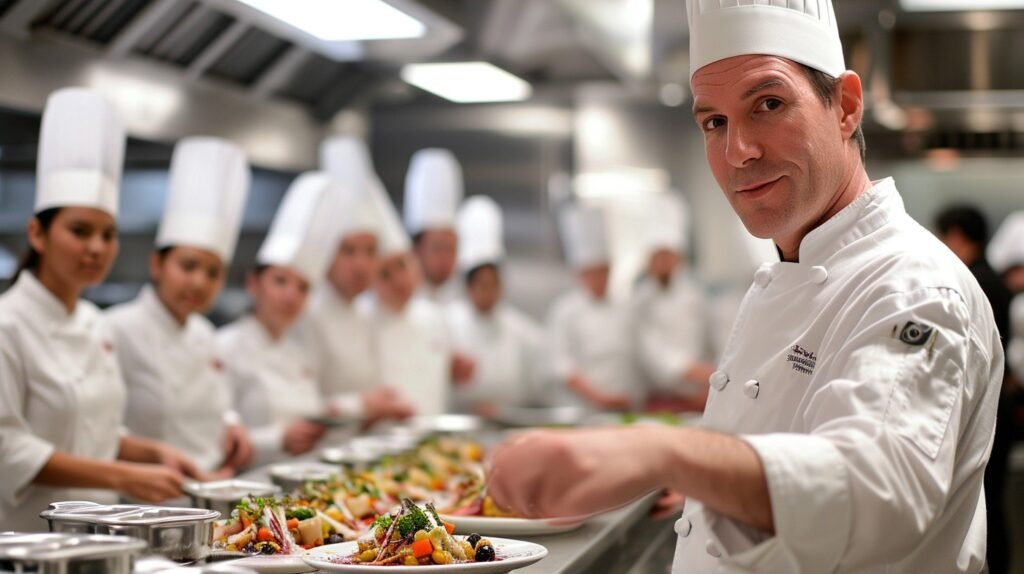
While becoming a chef can be an exciting and fulfilling career choice, it’s important to understand that the journey comes with its fair share of challenges. Knowing these realities upfront can help you prepare mentally, physically, and emotionally for life in the kitchen. Below are some of the most common challenges chefs face and how you can overcome them.
1. Long and Demanding Working Hours
One of the biggest challenges chefs encounter is the long working hours. Kitchens often operate late into the night, on weekends, and even during holidays times when most people are relaxing with family or friends.
A typical chef’s day may begin early in the morning with food preparation and end late at night after service.
Why it matters:
The hospitality industry thrives when others are off duty. This means chefs must adjust to irregular schedules and be prepared for physically demanding shifts.
How to handle it:
- Get enough rest before work shifts.
- Eat nutritious meals to maintain your energy.
- Learn to manage your time effectively and delegate tasks when necessary.
- Remember that dedication early in your career can open doors to better positions and more balanced work hours later.
2. High-Pressure Environment
Professional kitchens are fast-paced and can be stressful during busy service hours. Orders come in quickly, customers expect perfect meals, and every second counts. Mistakes can happen but in a high-stress kitchen, you must learn to stay calm and focused.
How to handle it:
- Stay organized and keep your workstation clean.
- Practice mindfulness and deep breathing to manage stress.
- Focus on teamwork and communication chefs rely on one another to keep service running smoothly.
- Over time, you’ll build confidence and learn how to thrive under pressure.
3. Physical Demands of the Job
Working as a chef is physically challenging. You’ll be on your feet for long hours, exposed to heat from stoves and ovens, and moving constantly between stations. The work can be tiring, especially during large events or peak hours.
How to handle it:
- Wear comfortable, non-slip shoes.
- Take short breaks to stretch and hydrate.
- Maintain a healthy lifestyle outside of work regular exercise can help with stamina and posture.
- Always prioritize safety when using knives, machines, or hot surfaces.
4. Starting from Entry-Level Positions
Every great chef begins somewhere, often as a commis chef or kitchen assistant. In the early stages, you’ll likely handle basic tasks like chopping vegetables, cleaning stations, or assisting senior chefs. It can be discouraging if you dream of creating signature dishes right away, but these steps are necessary for growth.
How to handle it:
- Be patient and embrace every learning opportunity.
- Ask questions and show initiative your willingness to learn will be noticed.
- Stay humble; even the most experienced chefs started small.
- Treat every shift as training for your future career.
5. Maintaining Consistency and Quality
Another major challenge is maintaining the same standard of quality every day. Customers expect consistency the same taste, presentation, and service each time they dine. This requires focus, discipline, and attention to detail, even when you’re tired or under pressure.
How to handle it:
- Follow recipes and procedures carefully.
- Develop a system for ingredient preparation and portion control.
- Train your senses taste, smell, and sight to ensure consistency.
- Keep a positive attitude toward feedback and strive to improve continuously.
6. Adapting to Culinary Trends
The food industry evolves constantly. Chefs must keep up with new trends, dietary preferences, and technologies from plant-based menus and global fusion cuisines to digital ordering systems and food sustainability practices.
How to handle it:
- Read culinary magazines and follow professional chefs online.
- Attend food festivals, workshops, and short courses.
- Experiment with new ingredients and techniques.
- Stay open-minded adaptability helps you stay relevant in the industry.
7. Managing Kitchen Teams and Staff
As you grow in your career, you’ll take on leadership roles that require managing people, not just preparing food. This includes resolving conflicts, training new employees, and keeping the kitchen organized. Managing diverse personalities can be challenging, especially under pressure.
How to handle it:
- Lead by example show respect and professionalism.
- Communicate clearly and calmly.
- Encourage teamwork and support less experienced staff.
- Continue learning about leadership and hospitality management.
8. Balancing Work and Personal Life
Because of the demanding schedule, many chefs struggle with work-life balance. Working late shifts, weekends, and holidays can make it difficult to spend time with family or friends. Without proper balance, this can lead to fatigue or burnout.
How to handle it:
- Set boundaries and schedule personal time when possible.
- Use your days off to recharge and pursue hobbies outside the kitchen.
- Surround yourself with supportive people who understand your career demands.
- Remember, balance leads to long-term success and happiness.
9. Managing Food Costs and Waste
In professional kitchens, chefs must not only cook well but also manage costs and reduce food waste. Ingredients can be expensive, and waste affects both profits and sustainability. Learning to make cost-effective decisions is an essential skill.
How to handle it:
- Plan menus according to seasonal and local ingredients.
- Store food properly to extend its shelf life.
- Track inventory regularly to prevent over-ordering.
- Find creative ways to use leftover ingredients.
10. Staying Motivated in a Competitive Industry
The culinary field is competitive. New restaurants open frequently, and only the best maintain long-term success. To stand out, chefs must constantly improve their skills and maintain passion for their craft.
How to handle it:
- Set career goals short-term and long-term.
- Keep learning and experimenting with new recipes.
- Celebrate small victories and progress.
- Remember why you started your passion for food and creativity should drive you forward.
Final Thoughts: Turning Challenges Into Opportunities
While becoming a chef in South Africa comes with challenges, each one offers a valuable lesson. The long hours teach discipline, the pressure sharpens focus, and the hard work builds resilience. Every obstacle you face in the kitchen strengthens your skills and shapes you into a better professional.
Remember, the best chefs are those who never stop learning, no matter how tough the journey gets. If you stay passionate, patient, and persistent, these challenges will become stepping stones to your success in the culinary world.
The Rewards of Being a Chef
Despite the challenges, being a chef is one of the most satisfying professions. You get to:
- Express creativity through food
- Make people happy with your dishes
- Travel and work internationally
- Constantly learn and grow in your craft
- Turn your passion into a fulfilling lifelong career
Final Thoughts: Your Journey Starts Now
Becoming a chef in South Africa is a rewarding journey filled with growth, creativity, and endless opportunities. Whether you dream of running your own restaurant or cooking for top hotels, your success starts with passion, training, and perseverance.
Start small, stay consistent, and remember: every great chef once started as a beginner who refused to give up.If you’re ready to turn your cooking dreams into reality, start researching culinary schools today. The South African culinary industry is always looking for passionate, skilled chefs and your journey could begin right now. Don’t wait for the perfect moment start where you are, and let your passion lead the way.