

If you’ve ever wondered how to be a soldier, you’re not alone. Many people around the world dream of wearing the uniform, serving their country, and being part of something bigger than themselves. Becoming a soldier is more than just a job it’s a commitment to discipline, teamwork, and national service.
This path demands physical strength, mental resilience, and a strong sense of purpose. Soldiers play a vital role in maintaining peace, protecting citizens, and assisting communities during emergencies or natural disasters. Whether your goal is to defend your nation, build a stable career, or gain valuable life skills, joining the military can open doors to personal growth and lifelong opportunities.
In this comprehensive guide, we’ll walk you through everything you need to know about becoming a soldier from understanding what soldiers do, the reasons people choose to join, and the recruitment process, to training, career paths, and the challenges and rewards that come with military life.
By the end of this article, you’ll have a clear understanding of what it takes to start your journey, prepare effectively, and make informed decisions about pursuing a career in the armed forces.
Table of Contents
What Does It Mean to Be a Soldier?
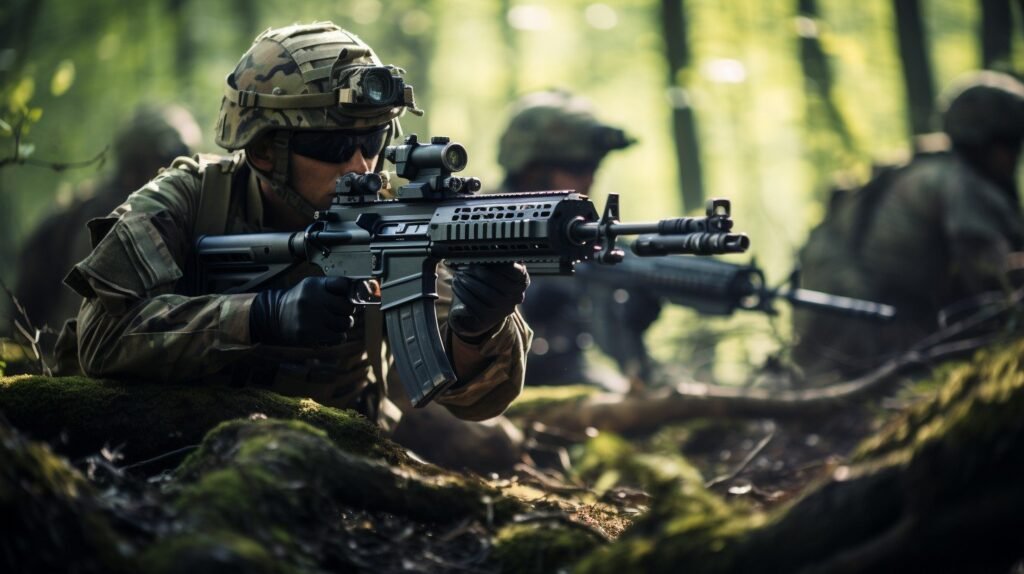
Being a soldier means becoming part of a nation’s armed forces a team of individuals trained to protect the country’s sovereignty, maintain peace, and provide humanitarian assistance during times of crisis. Soldiers don’t just fight wars; they also help in disaster relief, peacekeeping missions, and community support operations.
In most countries, the military is made up of different branches, such as:
- Army – Focuses on land-based operations
- Navy – Handles sea defense and maritime operations
- Air Force – Manages air defense and aerial missions
- Marines or Special Forces – Conduct specialized combat and rapid-response missions
No matter the branch, all soldiers share a commitment to service, teamwork, and discipline.
Why People Choose to Become Soldiers

The decision to become a soldier is deeply personal and often driven by a mix of values, goals, and life experiences. While some people are drawn to the idea of serving their country, others see the military as a path to personal growth, stability, and opportunity. Whatever the reason, joining the armed forces is a life-changing choice that requires commitment, courage, and discipline.
Below are some of the most common reasons why people choose to become soldiers.
1. A Strong Sense of Patriotism and Duty
For many, the desire to serve is rooted in patriotism a deep love for their country and a wish to protect it. Soldiers play a vital role in defending national security, maintaining peace, and supporting communities in times of need.
Becoming a soldier allows individuals to contribute directly to something larger than themselves. They see their service as a way to give back to their nation and uphold the values of freedom, unity, and responsibility. This sense of duty is often what keeps soldiers motivated even in challenging circumstances.
2. Career Stability and Financial Security
Another important reason people join the military is the stability and benefits it offers. Unlike many civilian jobs that may come and go, military service often provides reliable income, structured career paths, and long-term job security.
Many armed forces also offer:
- Monthly salaries with benefits
- Housing and meal allowances
- Free or low-cost healthcare
- Retirement and pension plans
This level of security appeals to individuals who want to provide for their families or build a solid financial future while serving their country.
3. Education and Skill Development Opportunities
Military service is not just about physical training it’s also about learning valuable skills that last a lifetime. Soldiers receive professional training in areas such as engineering, logistics, communications, medicine, and leadership.
In addition, many militaries offer educational support, such as:
- Scholarships or tuition assistance for higher education
- On-the-job training in specialized fields
- Leadership and management courses
- Technical and vocational certifications
These opportunities make the military an attractive choice for individuals who want to further their education while gaining hands-on experience.
4. Personal Growth and Self-Discipline
Joining the military can be a powerful way to build character and resilience. The structured environment teaches recruits the importance of discipline, time management, teamwork, and accountability.
Many soldiers describe their training as life-changing transforming them from ordinary individuals into strong, confident, and responsible adults.
The challenges of military life help develop:
- Mental toughness
- Emotional control under pressure
- Leadership and communication skills
- Respect for others and self
Even after leaving the military, these qualities remain valuable in civilian life and future careers.
5. A Sense of Belonging and Teamwork
One of the most rewarding parts of being a soldier is the strong sense of community within the military. Soldiers train, live, and work together, building lifelong friendships based on trust and shared experiences.
In the armed forces, teamwork is more than just cooperation it’s a way of life. Each member depends on the others for safety, success, and morale. This close bond creates a feeling of belonging that many people find deeply fulfilling.
For individuals who value unity and camaraderie, the military provides a supportive environment where everyone works toward a common goal.
6. Adventure and Travel
For those who enjoy new experiences, the military offers an exciting chance to see the world. Soldiers are often stationed in different regions or countries, allowing them to experience new cultures, environments, and people.
Military life can include:
- Travel opportunities within and outside the country
- Adventure training such as parachuting, diving, or mountain climbing
- Peacekeeping or humanitarian missions abroad
This aspect of service appeals to individuals seeking adventure and a dynamic lifestyle that’s different from a traditional office job.
7. Desire to Make a Difference
Many people join the military because they want to make a real impact. Beyond defense, soldiers participate in humanitarian missions, disaster relief, and peacekeeping efforts around the world.
Whether they’re helping communities recover after natural disasters or supporting international peace missions, soldiers often find meaning in knowing their actions directly improve lives.
This sense of purpose the belief that their work truly matters is one of the most fulfilling aspects of military service.
8. Family Tradition or Inspiration
For some, the choice to serve runs in the family. Many soldiers grow up hearing stories of parents, grandparents, or relatives who served before them. This family legacy can inspire a deep respect for the military and a desire to continue that tradition.
Even without family ties, some individuals are inspired by role models public figures, teachers, or community members who have served. Seeing the positive impact of military service can motivate them to follow the same path.
9. Opportunities for Leadership and Advancement
The military is one of the few career paths that offers clear advancement opportunities based on performance, not background. Soldiers can rise through the ranks, take on leadership roles, and command teams or units.
Promotions often come with increased responsibility, higher pay, and specialized training. Those who excel can even transition into leadership roles after their military career, both in the public and private sectors.
10. A Path to Building a Better Future
For many individuals especially those seeking direction or stability the military provides a structured path forward. It offers a sense of purpose, a stable lifestyle, and a chance to learn, grow, and serve with honor.
Some see it as a fresh start, an opportunity to build discipline and achieve goals they might not have reached otherwise. Whether it’s gaining an education, developing skills, or finding purpose, the military can be a stepping stone to a brighter future.
Final Thoughts
In summary, people choose to become soldiers for many reasons from serving their country and securing a stable future to finding personal growth and belonging. Whatever the motivation, each soldier shares one thing in common: a commitment to protect, serve, and make a difference.
Being a soldier is not just a career; it’s a calling that shapes character, builds resilience, and instills pride. It’s about becoming part of something greater than oneself a mission that demands strength, loyalty, and heart.
Basic Requirements to Become a Soldier
Every country has its own requirements for military service, but generally, candidates must meet certain standards. Below are the common eligibility criteria:
- Age Requirements – Most militaries accept recruits between the ages of 18 and 35. Some allow younger applicants with parental consent.
- Citizenship – You must be a citizen or permanent resident of the country you wish to serve.
- Education – A high school diploma or equivalent is usually required.
- Physical Fitness – Strong physical condition is essential, as training and duties can be demanding.
- Medical and Psychological Health – Candidates must pass medical exams and mental fitness evaluations.
- Background Check – A clean criminal record is often necessary to ensure trustworthiness.
The Recruitment Process: Step-by-Step
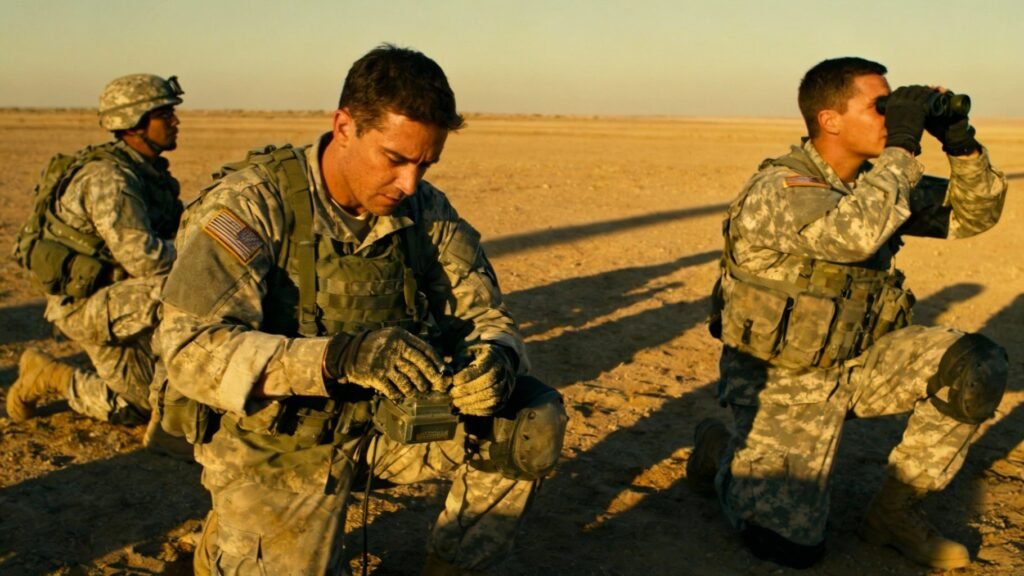
Understanding the recruitment process to become a soldier is essential for anyone considering a career in the military. Every country’s armed forces may have slightly different procedures, but most follow a similar structure. The goal of this process is to identify candidates who are physically fit, mentally strong, disciplined, and committed to serving their nation.
Joining the military is not just about signing up; it’s about proving that you have what it takes to meet the standards of service. Below is a step-by-step explanation of what the recruitment process typically involves.
1. Research and Self-Assessment
The first step in becoming a soldier is to learn about the military and evaluate whether it’s the right path for you. Before applying, take time to understand the structure, values, and expectations of the armed forces in your country.
What to do during this stage:
- Visit official military websites for accurate information about available roles.
- Attend military career fairs or open days.
- Talk to current or former soldiers to learn about their experiences.
- Assess your personal goals and reasons for joining whether for patriotism, education, or career growth.
It’s important to make sure that military life aligns with your personal values, physical abilities, and long-term plans.
2. Meet Basic Eligibility Requirements
Before you can apply, you must meet certain entry requirements. While these vary depending on the country and branch of service, they often include:
- Age: Most military branches require recruits to be between 18 and 26 years old. Some allow younger applicants (17) with parental consent.
- Citizenship: You must be a citizen or legal resident of the country you wish to serve.
- Education: A high school diploma or equivalent qualification is usually required.
- Physical Fitness: You must be in good health and capable of handling physical training.
- Clean Record: Applicants must pass background checks to ensure trustworthiness.
Meeting these basic criteria is the foundation of a successful application.
3. Contact a Military Recruiter
Once you confirm your eligibility, the next step is to contact a recruiter. Recruiters are official representatives of the armed forces who guide potential candidates through the application process.
They can help you understand:
- The different branches (Army, Navy, Air Force, etc.)
- Available positions and career paths
- Upcoming recruitment dates and training schedules
- What documents and tests you’ll need
During your meeting, be honest about your background, health, and goals. Recruiters appreciate transparency and can advise you on the best path based on your strengths and interests.
4. Submit Your Application
After meeting with a recruiter, you’ll need to submit an official application to join the military. This is typically done online through the defense department’s website or in person at a recruitment office.
Your application may include:
- Personal identification documents
- Educational certificates
- Proof of citizenship or residency
- A background declaration form
Make sure all the information you provide is accurate. False details can delay or disqualify your application.
5. Take the Aptitude and Entrance Tests
If your application is accepted, you’ll be invited to complete aptitude or entrance exams. These tests measure your abilities and help determine which military role best suits you.
Common areas tested include:
- Mathematical reasoning
- Language and comprehension skills
- Problem-solving and logical thinking
- Mechanical or technical aptitude
These assessments are not designed to be overly difficult, but preparation can help you perform your best.
6. Undergo Medical and Physical Fitness Examinations
The military requires all candidates to be physically and medically fit. During this stage, you’ll undergo a series of tests conducted by medical professionals and fitness instructors.
Medical examinations often include:
- Vision and hearing tests
- Blood pressure and heart rate checks
- General health assessment
Physical fitness tests usually involve:
- Running a set distance within a time limit
- Push-ups, sit-ups, and pull-ups
- Strength and endurance exercises
These tests ensure that candidates can handle the physical challenges of training and deployment. Maintaining a healthy lifestyle before applying greatly increases your chances of success.
7. Background and Security Checks
Because soldiers handle sensitive information and represent their country, applicants must pass a background and security clearance check.
This step verifies:
- Your criminal record (if any)
- Employment and education history
- Citizenship and residency status
Having a clean record demonstrates honesty and responsibility qualities that are essential in military service.
8. Attend the Selection Interview
In some cases, candidates may be invited to attend an interview or selection board. The purpose of this interview is to assess your motivation, communication skills, and understanding of military life.
You may be asked questions like:
- Why do you want to become a soldier?
- How do you handle stress or teamwork?
- What do you know about the responsibilities of military service?
Answer honestly and confidently. Recruiters are not looking for perfection but for sincerity, discipline, and a genuine commitment to serve.
9. Receive Your Acceptance and Enlistment Offer
If you successfully pass all stages, you’ll receive an official offer of enlistment. This document outlines your military branch, rank, training schedule, and service contract duration.
Before signing, make sure you fully understand the terms of service including training requirements, benefits, and commitments. Once you agree, you’ll officially become a military recruit and begin your journey toward becoming a soldier.
10. Attend Basic Training (Boot Camp)
After enlistment, all new recruits must attend basic training, also known as boot camp. This is where civilians are transformed into disciplined soldiers through physical conditioning, teamwork, and skills development.
During basic training, you will:
- Learn military drills and discipline
- Build endurance through daily workouts
- Study military ethics, laws, and traditions
- Practice teamwork and leadership
- Train in weapon safety and emergency response
Basic training typically lasts several weeks to a few months, depending on your country and branch. It’s intense but designed to prepare you for the demands of military service.
11. Graduation and Assignment
Once you complete basic training, you’ll participate in a graduation ceremony a proud moment marking your official entry into the armed forces.
Afterward, you’ll be assigned to a specific unit or post where you’ll continue your professional development and possibly specialize in a certain field (engineering, communications, logistics, etc.).
From here, your military career truly begins.
Tips for Success During Recruitment
To increase your chances of being accepted into the military, keep these tips in mind:
- Start preparing early: Improve your fitness and study for aptitude tests.
- Stay disciplined: The military values punctuality, responsibility, and respect.
- Follow instructions carefully: Small details matter during recruitment.
- Be honest: Integrity is one of the most important military values.
- Maintain a positive attitude: Confidence and determination go a long way.
Final Thoughts
The recruitment process to become a soldier is designed to ensure that only the most dedicated and capable individuals are selected. Each step from application to basic training helps identify those who can handle the physical, emotional, and ethical responsibilities of serving in the military.
While the process can be challenging, it’s also deeply rewarding. By the end of it, you’ll have proven your strength, discipline, and commitment to serve your country with pride.
If you’re ready to take this journey, prepare well, stay focused, and approach every stage with determination and respect. The path to becoming a soldier may be demanding, but it leads to one of the most honorable and fulfilling careers in the world.
What to Expect in Basic Training
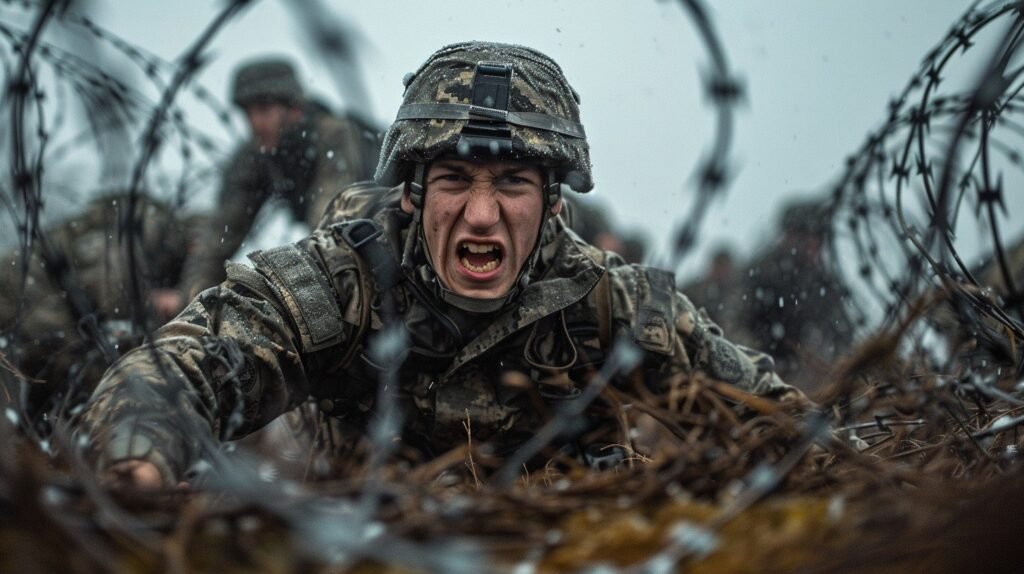
Basic training is designed to challenge you both physically and mentally. Here’s what most recruits experience:
- Physical Conditioning: Daily exercises to build strength, stamina, and endurance
- Military Drills: Learning how to march, salute, and follow commands
- Weapons Training: Handling and maintaining firearms safely
- Field Exercises: Learning survival, navigation, and teamwork in realistic environments
- Classroom Lessons: Studying military laws, ethics, and national defense strategies
- Character Development: Building discipline, respect, and teamwork
By the end of training, recruits become disciplined, confident, and capable soldiers ready for deployment or further specialization.
Career Paths and Specializations
Once you complete your basic training, you can pursue different career paths in the military. Soldiers can specialize in various areas such as:
- Infantry – Ground combat and tactical operations
- Engineering Corps – Building and repairing military infrastructure
- Medical Corps – Providing healthcare and first aid to troops
- Logistics and Supply – Managing transportation and equipment
- Communications and IT – Handling secure communication systems
- Intelligence – Gathering and analyzing security information
- Military Police – Enforcing military law and discipline
Over time, you can move up the ranks, take leadership roles, and even transition into civilian careers with valuable skills gained from service.
Life as a Soldier
Military life is structured and disciplined. Soldiers follow routines that include physical training, duties, and regular inspections. However, it’s also rewarding you develop lifelong friendships, travel, and gain experiences that few other careers offer.
Daily life often includes:
- Morning drills or physical exercise
- Assigned duties and operational tasks
- Skill development and training
- Teamwork and mission briefings
- Rest periods or personal time
Many soldiers live on military bases with access to housing, healthcare, and recreational facilities.
Challenges of Being a Soldier
While being a soldier offers pride and purpose, it’s not without challenges. Understanding these realities helps prepare you for the journey ahead:
- Physical and emotional stress from training and operations
- Time away from family due to deployments or long assignments
- Strict discipline and structure that requires obedience and responsibility
- Potential exposure to danger in certain missions
- Adjustment after service, as transitioning back to civilian life can be difficult for some
Despite these challenges, soldiers often say that their sense of purpose, teamwork, and personal growth outweigh the hardships.
Essential Skills and Traits of a Good Soldier
Success in the military depends on more than just strength. The best soldiers display key personal qualities, such as:
- Discipline: Following orders and maintaining focus under pressure
- Teamwork: Cooperating and communicating with others effectively
- Courage: Staying calm and committed, even in difficult situations
- Leadership: Guiding and motivating others with integrity
- Adaptability: Adjusting quickly to new environments and challenges
- Loyalty: Upholding the values and mission of the military
Education and Training Opportunities
One of the biggest advantages of a military career is the access to education and skill development. Many soldiers earn college degrees, technical certifications, or leadership training through military programs.
Examples include:
- Technical skills in engineering, logistics, and communications
- Leadership and management training
- Financial support for higher education after service
These skills are valuable not only in the military but also in civilian careers after service.
Life After the Military
When soldiers complete their service, they often transition into civilian jobs using the skills they’ve learned. Common career paths for veterans include:
- Security services and law enforcement
- Engineering and construction
- Logistics and transportation
- Emergency response and disaster management
- Government and leadership roles
Governments and organizations also provide veteran support programs, helping soldiers reintegrate into society, pursue education, or start businesses.
Tips for Success in the Military

If you’re serious about becoming a soldier, these tips can help you succeed:
- Prepare Physically Early: Start exercising regularly before applying.
- Develop Mental Toughness: Stay focused and resilient under pressure.
- Learn About the Military Culture: Understand rank structure, discipline, and values.
- Stay Organized and Responsible: Always complete tasks on time and with care.
- Respect Authority and Teamwork: The military relies on unity and respect.
- Keep Learning: Take advantage of every training and educational opportunity.
Conclusion: Is Being a Soldier Right for You?
Knowing how to be a soldier is just the first step the real question is whether the lifestyle aligns with your goals and values. Being a soldier is more than a job; it’s a calling that demands bravery, dedication, and sacrifice.
If you’re ready to challenge yourself, serve your country, and grow both physically and mentally, then a military career can be one of the most fulfilling paths you can take.
Through training, teamwork, and purpose, you’ll not only defend your nation but also discover your true potential.