

How to become a pharmacist is a question many people ask when they start exploring careers in healthcare. Pharmacists play a vital role in improving public health by ensuring that patients receive safe, effective, and appropriate medications. If you are someone who enjoys science, has strong attention to detail, and wants to help others lead healthier lives, then a career in pharmacy might be perfect for you.
This guide will walk you through everything you need to know from understanding what pharmacists do to the education, training, and skills required, as well as career opportunities, average salaries, and tips for success.
Table of Contents
1. Understanding What a Pharmacist Does
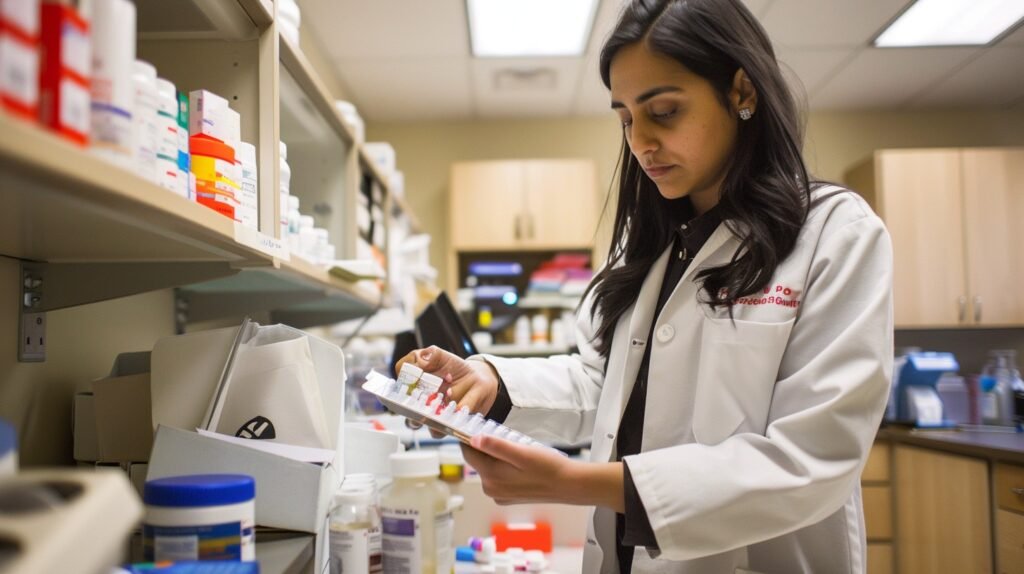
Before diving into how to become a pharmacist, it’s important to understand what pharmacists actually do. Pharmacists are healthcare professionals responsible for preparing, dispensing, and advising patients on the proper use of prescription and over-the-counter medications.
They ensure that the medicine prescribed by doctors is safe and suitable for the patient. Beyond dispensing drugs, pharmacists also educate patients about side effects, drug interactions, and lifestyle habits that can improve treatment outcomes.
Common Duties of a Pharmacist:
- Reviewing prescriptions for accuracy and safety
- Preparing and dispensing medications
- Advising patients about proper drug use
- Monitoring patient health and progress
- Managing inventory in a pharmacy
- Ensuring legal compliance in medication distribution
- Working with doctors, nurses, and healthcare teams
Pharmacists can work in various settings, including hospitals, retail pharmacies, research institutions, pharmaceutical companies, and government health departments.
2. Why Choose a Career in Pharmacy?
Choosing a career in pharmacy is an excellent decision for individuals who are passionate about healthcare, science, and helping others. Pharmacists play a crucial role in society by ensuring that people use medicines safely and effectively. This profession is not only respected but also offers a combination of job stability, financial security, and personal fulfillment.
1. A Profession That Makes a Real Difference
Pharmacists are directly involved in improving patients’ health. Every day, they help people understand how to take their medication correctly, prevent harmful side effects, and live healthier lives. Knowing that your work contributes to someone’s well-being provides a strong sense of purpose and satisfaction.
2. High Demand and Job Stability
Healthcare is one of the most stable industries in the world, and pharmacists are an essential part of it. As populations grow and new medicines are developed, the demand for qualified pharmacists continues to increase. This means more employment opportunities in hospitals, clinics, community pharmacies, and pharmaceutical companies.
3. Competitive Earning Potential
Pharmacy is a well-compensated career due to the high level of education, responsibility, and expertise required. Salaries are generally competitive and can increase with experience, specialization, and managerial roles.
4. Variety of Career Options
Pharmacy offers flexibility and diversity. You can choose to work in a hospital, retail pharmacy, research laboratory, or even in education. Some pharmacists move into roles in regulatory affairs, public health, or the pharmaceutical industry. This flexibility allows you to find a path that matches your personal interests and goals.
5. Lifelong Learning and Professional Growth
Medicine and technology are always evolving, which makes pharmacy an exciting career for those who love learning. Pharmacists are constantly updating their knowledge about new drugs, treatment guidelines, and healthcare innovations. This ensures that your work stays interesting and intellectually rewarding.
6. Respect and Trust in the Community
Pharmacists are among the most trusted professionals in healthcare. Communities rely on them for accurate medical advice and honest guidance about medication use. This trust and respect make pharmacy a highly valued and rewarding career choice.
✅ In summary:
A career in pharmacy is ideal for those who want to combine science, patient care, and professional growth. It offers stability, financial rewards, and the opportunity to make a lasting positive impact on people’s lives.
3. Educational Requirements to Become a Pharmacist

Education is the foundation of a successful pharmacy career. Becoming a pharmacist requires a combination of academic qualifications, hands-on training, and licensing exams.
Here’s a step-by-step breakdown of the educational path.
Step 1: Complete Your High School Education
Start by focusing on science-related subjects in high school, such as:
- Biology
- Chemistry
- Mathematics
- Physics
Strong grades in these subjects will prepare you for admission into a pharmacy program.
Step 2: Earn a Bachelor’s Degree (Pre-Pharmacy)
After completing high school, the next step toward becoming a pharmacist is earning a bachelor’s degree, often referred to as a pre-pharmacy program. This stage is essential because it builds the scientific foundation you’ll need to succeed in pharmacy school.
Most students choose to major in biology, chemistry, biochemistry, or pharmaceutical sciences, as these subjects closely relate to the study of medicine and drug development. During your degree, you’ll take courses such as organic chemistry, anatomy, microbiology, and pharmacology all of which prepare you for the more advanced topics you’ll encounter later.
In addition to science-based courses, it’s also helpful to study mathematics, communication, and ethics, since pharmacists need strong problem-solving skills and the ability to interact effectively with patients and healthcare professionals.
While pursuing your bachelor’s degree, try to gain practical experience by volunteering or interning at local pharmacies or healthcare centers. This hands-on exposure helps you understand the real-world responsibilities of a pharmacist and can strengthen your application to pharmacy school.
Completing a bachelor’s or pre-pharmacy program demonstrates your commitment to the field and provides the academic foundation needed to move on to a Bachelor of Pharmacy (BPharm) or Doctor of Pharmacy (PharmD) program the next major step in your journey.
✅ In short:
Earning a bachelor’s degree in a science-related field equips you with the knowledge, lab experience, and critical thinking skills necessary for success in pharmacy school and your future career as a healthcare professional.
Step 3: Obtain a Pharmacy Degree (PharmD or BPharm)
The next major step is to earn a professional pharmacy degree, which could be:
- Bachelor of Pharmacy (BPharm) — typically 4 years
- Doctor of Pharmacy (PharmD) — typically 6 years
These programs include both classroom and laboratory learning, covering subjects like:
- Human anatomy and physiology
- Pharmacology
- Medicinal chemistry
- Pharmacy law and ethics
- Clinical pharmacy practice
- Therapeutics
Step 4: Complete an Internship or Practical Training
After finishing your pharmacy degree, the next important step is to complete an internship or practical training program. This stage allows you to apply what you’ve learned in the classroom to real-world situations under the supervision of a qualified pharmacist.
During your internship, you’ll gain valuable hands-on experience in areas such as dispensing medications, patient counseling, inventory management, and clinical decision-making. You’ll also learn how to handle prescriptions accurately, communicate effectively with patients, and work as part of a healthcare team.
Internships are usually completed in community pharmacies, hospitals, or pharmaceutical organizations, giving you a chance to see how different pharmacy environments operate. This experience helps you build confidence, develop professional ethics, and prepare for the responsibilities of being a licensed pharmacist.
In most countries, internship hours are required before taking the pharmacy licensing examination. Therefore, this step is not just about learning but also a formal part of your qualification process.
✅ In summary:
Completing an internship or practical training is a crucial step in becoming a pharmacist. It bridges the gap between academic learning and professional practice, giving you the skills and confidence needed to serve patients safely and effectively.
Step 5: Pass the Licensing Examination
Once you’ve completed your degree and internship, the final step is to pass your national or regional licensing exam.
Depending on your country, this might include:
- Pharmacy Council registration exams
- Board certification or practical competency tests
Licensing ensures that you are qualified to safely and legally practice pharmacy.
4. Skills Needed to Succeed as a Pharmacist

Pharmacy is more than just understanding drugs. It requires a blend of scientific knowledge, interpersonal skills, and ethical judgment.
Here are the most important skills for pharmacists:
- Attention to detail – Small errors in dosage or instructions can have serious consequences.
- Communication skills – You’ll need to explain complex information in a way patients can understand.
- Analytical thinking – To assess prescriptions and identify potential drug interactions.
- Empathy and patience – To support patients with compassion and understanding.
- Business management – Especially if you work in or own a community pharmacy.
- Ethical responsibility – Handling controlled substances and private health information requires integrity.
5. How Long Does It Take to Become a Pharmacist?
The journey to becoming a pharmacist can take anywhere from 6 to 8 years, depending on your country and education system.
Here’s a general timeline:
- Undergraduate degree: 3–4 years
- Pharmacy degree (PharmD/BPharm): 4–6 years
- Internship and licensing: 1 year
While this may seem long, the investment pays off with a stable and rewarding career.
6. Types of Pharmacists and Career Options

Pharmacy is a diverse field that offers many exciting career paths. Once you’ve earned your qualification and become a licensed pharmacist, you can choose to work in various environments depending on your interests and skills. Each type of pharmacist plays a unique role in ensuring that patients receive safe and effective medication.
1. Community Pharmacist
Community pharmacists, also known as retail pharmacists, work in local pharmacies or drugstores. They are the most visible to the public and are responsible for dispensing medicines, advising patients on proper use, and promoting health awareness. They often help people manage common conditions and ensure that prescribed drugs are used safely.
2. Hospital Pharmacist
Hospital pharmacists work alongside doctors, nurses, and other healthcare professionals in hospitals and clinics. They focus on preparing, supplying, and monitoring medications for hospitalized patients, ensuring that treatments are effective and safe. Their work is vital in managing complex medical cases and supporting overall patient care.
3. Clinical Pharmacist
Clinical pharmacists specialize in direct patient care, often working within healthcare teams to optimize medication therapy. They assess treatment plans, prevent drug interactions, and help design personalized medication schedules. This role requires strong clinical knowledge and attention to detail.
4. Industrial Pharmacist
Industrial pharmacists work in the pharmaceutical manufacturing and research sector, where they help develop new drugs, oversee quality control, and ensure that products meet safety and regulatory standards. This career path is ideal for those interested in science, research, and innovation.
5. Academic or Research Pharmacist
These pharmacists work in universities or research institutions, teaching pharmacy students and conducting studies on new treatments or drug formulations. They play a key role in advancing medical knowledge and improving healthcare practices.
6. Regulatory or Government Pharmacist
Regulatory pharmacists ensure that medicines meet national and international safety standards. They work with health authorities or government departments to evaluate drug quality, review pharmaceutical policies, and protect public health.
7. Consultant Pharmacist
Consultant pharmacists offer expert advice to hospitals, nursing homes, or healthcare organizations. They focus on improving medication management systems and ensuring that patients receive the most effective treatments possible.
✅ In summary:
The pharmacy profession offers a wide range of career opportunities from patient care and education to research and policy. Whether you prefer working directly with people or behind the scenes in research and regulation, pharmacy provides many rewarding paths for professional growth.
7. How Much Do Pharmacists Earn?

Understanding the earning potential for pharmacists is an important part of deciding whether to pursue this career. Salaries vary widely depending on country, level of experience, type of employer, and specialisation. Below is a breakdown of typical earnings both in South Africa and internationally.
💼 South Africa
- In South Africa, a pharmacist typically earns around R 27,500 per month (about R 330,000 per year) according to one survey from Indeed.
- Other sources give a higher average: for example, one site lists the average gross salary at about R 504,420 per year (≈ R 42,040 per month), with a range from around R 360,900 for newer pharmacists to over R 984,300 for experienced ones.
- Breaking down by experience:
- With 0–2 years of experience: approx R 25,100 per month.
- With 10–15 years of experience: about R 55,100 per month.
- The salary varies by city and employer: for instance, pharmacists in Gauteng report higher monthly earnings (up to ~R 40,979) compared to other regions.
Summary for South Africa:
You can expect an entry-level monthly salary somewhere in the ~R 25,000-30,000 range, with mid-career and senior pharmacists earning over R 40,000-R 60,000+ per month depending on role and location.
🌍 United States (and International)
- In the U.S., data shows that the average salary for pharmacists is around US $118,000 per year (approx) according to one source.
- Another source offers a broader range for 2025: median salary about US $137,480 per year, with a range from approx US $86,930 at the low end to over US $172,040 at the high end.
- Region and employer matter: for instance, pharmacists in states like California or New York often earn higher salaries (~US $130,000+).
- Type of workplace also matters: industry or specialised pharmacists may earn more than those in retail settings.
Summary for the U.S.:
Pharmacists in the U.S. can expect starting salaries around US $100,000-130,000 annually, with mid-to-senior level roles often exceeding US $140,000 depending on specialization and location.
✅ Key Take-away
- A career as a pharmacist offers strong earning potential, especially as you gain experience, specialise, or take on more senior roles.
- In South Africa, the salary is good relative to many professions, but it’s lower compared to countries like the U.S.
- Internationally (e.g., U.S.), pharmacists may earn considerably higher salaries, reflecting differences in cost of living, health system structure, and demand.
- Regardless of the country, factors such as experience, employer type, location, and specialization strongly influence earning potential.
8. Challenges in the Pharmacy Profession
While pharmacy is rewarding, it also comes with challenges that require commitment and resilience.
Common Challenges Include:
- Long working hours, especially in community pharmacies
- Staying updated with constantly changing drug information
- Managing patient expectations and dealing with difficult customers
- High levels of responsibility and accuracy required
However, these challenges can be managed with continuous learning, teamwork, and a strong ethical foundation.
9. Tips for Success as a Pharmacist

If you’re planning to pursue this career, here are some tips to help you succeed:
- Start early – Focus on science subjects in school.
- Gain practical experience – Volunteer or intern in pharmacies.
- Network – Connect with professionals in the field through associations and conferences.
- Continue learning – Medicine and technology are always evolving.
- Develop soft skills – Communication and empathy are just as important as technical knowledge.
- Maintain professionalism – You’ll be trusted with sensitive health information and controlled substances.
10. Future of the Pharmacy Profession
Pharmacy continues to evolve with advances in technology, digital health, and biotechnology. Pharmacists are increasingly taking on roles that go beyond dispensing medications such as providing health screenings, administering vaccines, and offering telepharmacy consultations.
Emerging Trends:
- Telepharmacy: Offering remote consultations via digital platforms.
- Pharmacogenomics: Using genetics to tailor medications for individuals.
- Automation: Using AI and robotics for dispensing accuracy.
- Expanded clinical roles: Pharmacists are now part of patient care teams in many hospitals.
This means that the pharmacy profession will continue to grow in both importance and opportunity.
11. Steps to Get Started Today
If you’re serious about learning how to become a pharmacist, here’s a simple action plan:
- Research pharmacy programs and universities near you.
- Focus on improving your grades in science subjects.
- Apply for a Bachelor of Pharmacy (BPharm) or Doctor of Pharmacy (PharmD) program.
- Complete the required internship or practical training.
- Prepare for and pass your national licensing exam.
- Register with your country’s pharmacy council or board.
- Start your career in your preferred setting hospital, retail, or research.
12. Conclusion
Now that you understand how to become a pharmacist, you can begin your journey with confidence. It’s a career that demands dedication, precision, and compassion but the rewards are significant. Pharmacists make a real difference in people’s lives every day, ensuring that medications are used safely and effectively.
Whether you want to work in a hospital, open your own pharmacy, or explore research and innovation, the pharmacy field offers countless possibilities. With the right education and commitment, you can build a meaningful and respected career in healthcare.
In summary:
Becoming a pharmacist involves education, licensing, and continuous learning but it’s a career that combines science, service, and stability. Start by focusing on your studies, explore accredited pharmacy programs, and commit to lifelong learning.
Your journey toward becoming a pharmacist could be the start of a fulfilling professional life dedicated to helping others live healthier and better.