
How to become a DJ in South Africa is a dream shared by many music lovers who want to turn their passion for beats and rhythm into a rewarding career. The journey to becoming a successful DJ is exciting, creative, and full of opportunities but it also requires dedication, practice, and the right guidance. In this article, you’ll learn everything you need to know about starting your DJ career in South Africa, from choosing your equipment and mastering mixing skills to building your brand and performing at local events. Whether you’re a complete beginner or someone looking to take your hobby to the next level, this guide will help you take your first confident steps toward becoming a professional DJ.
Table of Contents
1. Understanding the Role of a DJ

A DJ, short for “disc jockey,” is someone who plays recorded music for an audience. DJs set the tone for parties, clubs, radio shows, and events. They select, mix, and transition between songs to create a smooth flow of music that keeps people entertained.
In South Africa, DJs are highly respected in the entertainment scene. From international names like Black Coffee and DJ Zinhle to local legends performing at weddings and community events, DJs are an essential part of the country’s vibrant music culture.
2. Types of DJs in South Africa
The DJ industry in South Africa is vibrant and diverse, offering opportunities for different types of DJs to showcase their talent and creativity. Understanding the various types of DJs can help you decide which path best suits your skills, goals, and interests. Here are the main categories you’ll find in the South African music scene:
1. Club DJ:
Club DJs are the heartbeat of nightlife in South Africa. They perform at nightclubs, bars, and lounges, keeping the energy high and the crowd entertained. Their main job is to read the room, mix seamlessly, and keep people dancing all night. Popular club DJs often gain loyal fan bases and are invited to perform at top venues across the country.
2. Mobile DJ:
Mobile DJs are versatile professionals who perform at private events such as weddings, birthdays, and corporate parties. They usually manage their own sound systems, lighting, and playlists. A mobile DJ needs strong communication skills, the ability to cater to different audiences, and reliable equipment for on-the-go performances.
3. Radio DJ:
Radio DJs host live or recorded shows on radio stations, introducing songs, interviewing artists, and engaging with listeners. They play a big role in promoting local and international music. This type of DJ needs good speaking skills, an understanding of audience preferences, and the ability to create smooth transitions between songs on air.
4. Music Producer DJ:
Music producer DJs go beyond mixing they create original tracks, remixes, and beats. Many successful South African DJs, like Black Coffee and DJ Maphorisa, started as producers before gaining fame as performers. This path is ideal for those interested in both DJing and music production.
5. Battle DJ (Turntablist):
Battle DJs, also known as turntablists, focus on scratching, beat juggling, and performance-based mixing. They often compete in DJ battles or showcase their skills in live events. This style requires technical precision, creativity, and a deep understanding of rhythm.
Each type of DJ plays a unique role in South Africa’s dynamic entertainment industry. Whether you want to perform at clubs, host radio shows, or produce your own tracks, there’s a path that matches your passion and talent. The key is to find your niche, perfect your style, and keep improving your skills to stand out in the growing world of South African DJs.
3. Step-by-Step Guide to Becoming a DJ in South Africa
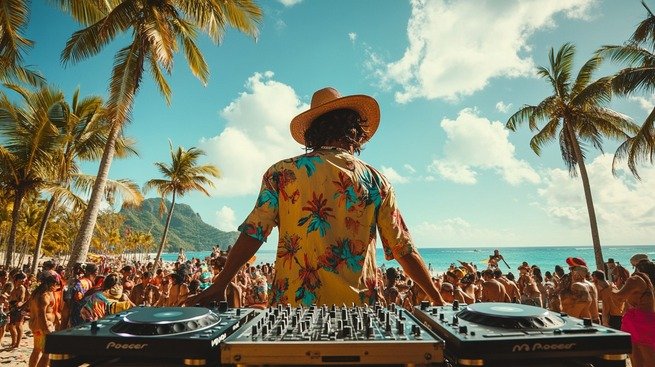
Here’s a detailed roadmap to help you get started:
Step 1: Learn the Basics of DJing
Start by understanding the fundamentals beatmatching, song structure, transitions, and timing. You can learn through:
- YouTube tutorials
- Online DJ courses (such as Udemy, Skillshare, or DJ Tech Tools)
- Local DJ schools like Soul Candi Institute of Music, Rise Academy, or Boston City Campus (Music Production course)
Learning theory and technique will build your confidence before you begin performing publicly.
Step 2: Get the Right DJ Equipment
To become a DJ, you’ll need basic gear. You don’t have to buy everything at once start small and upgrade as you grow.
Essential equipment includes:
- DJ Controller or Turntables: Used for mixing music. Popular beginner controllers include the Pioneer DDJ-400 or Numark Mixtrack.
- Laptop or Computer: For running DJ software (Serato, Virtual DJ, Rekordbox, or Traktor).
- Headphones: For cueing and beatmatching.
- Speakers: To practice your sets and hear your mixes clearly.
- Music Library: Build your collection of legal, high-quality tracks.
Tip: Always back up your music library and keep your software updated.
Step 3: Learn to Use DJ Software
Modern DJing relies heavily on software. Some of the best DJ programs used in South Africa include:
- Serato DJ Lite/Pro
- Rekordbox
- Virtual DJ
- Traktor Pro
Start by learning basic functions like setting cue points, looping, syncing beats, and transitioning between tracks. Each software has tutorials and user communities that can help you master the system quickly.
Step 4: Practice, Practice, Practice
DJing is an art form that improves with repetition. Create your own playlists and mix for at least 1–2 hours daily. Focus on:
- Smooth transitions
- Beatmatching by ear
- Reading the crowd
- Experimenting with effects and samples
You can also record your mixes and listen to them later to identify areas for improvement.
Step 5: Build Your Music Knowledge
A good DJ doesn’t just play songs they understand music. Learn about different genres like Amapiano, Gqom, House, Hip Hop, and Afrobeats. Knowing your audience’s taste helps you choose the right songs at the right time.
Step 6: Develop Your DJ Brand
In today’s digital age, having a strong personal brand is key. Choose a DJ name that’s easy to remember and represents your personality or music style. Create professional social media pages and start posting your mixes on:
- SoundCloud
- Mixcloud
- YouTube
- TikTok
This helps build your following and attract potential gigs.
Step 7: Network and Get Exposure
Networking is crucial in the entertainment industry. Start small—offer to DJ at local parties, weddings, or community events. Attend music festivals and connect with other DJs and event organizers.
Join DJ groups on Facebook and WhatsApp (such as SA DJs Network or Mzansi DJs Hub) where you can share your mixes and find opportunities.
Step 8: Create a Demo Mix
A demo mix is like your portfolio. It shows your mixing style, genre preference, and skill level. Aim for a 30–45 minute set that highlights your best transitions and song selections. You can send your demo to club managers, event organizers, or radio stations.
Step 9: Get Bookings and Start Performing
Once you’re confident, it’s time to perform in front of an audience. Start with free or low-cost gigs to build your reputation. With time, you can charge more based on experience and demand.
Most DJs in South Africa earn between R500 – R10,000 per event, depending on experience, event size, and location.
Step 10: Register Your DJ Business
Once you’ve gained enough experience and started booking regular gigs, it’s a smart move to register your DJ business in South Africa. This step adds professionalism to your brand and opens doors to bigger opportunities, such as corporate events, sponsorships, and partnerships.
1. Why Registration Matters:
Registering your DJ business gives you legal recognition, which builds trust with clients and event organizers. It also helps when you need to sign contracts, apply for funding, or issue invoices for payment. Many companies prefer to work with registered service providers for accountability and reliability.
2. How to Register Your Business:
You can register your DJ business through the Companies and Intellectual Property Commission (CIPC) website. The process is simple and can be completed online. You’ll need to choose a unique business name, provide your ID number, and pay a small registration fee. Once approved, you’ll receive a registration certificate that officially recognizes your business.
3. Register with SARS:
After registering with CIPC, you should also register with the South African Revenue Service (SARS) for tax purposes. Keeping your tax records up to date shows professionalism and ensures compliance with South African business laws.
4. Open a Business Bank Account:
Having a dedicated business bank account helps separate your personal and business finances. It makes it easier to track income, manage expenses, and build financial credibility especially if you plan to apply for business loans or sponsorships in the future.
5. Get Business Insurance (Optional but Recommended):
DJ equipment can be expensive, so consider getting insurance that covers your gear in case of damage, theft, or loss. This extra layer of protection can save you from major financial setbacks.
6. Promote Your Registered Brand:
Once your business is official, start marketing yourself under your registered name. Use it consistently on flyers, social media, and event posters to build brand recognition and professionalism.
Registering your DJ business not only gives you credibility but also sets you up for long-term success. It shows that you take your craft seriously and are ready to operate as a professional within South Africa’s growing entertainment industry.
4. Cost of Becoming a DJ in South Africa
Here’s a rough breakdown of what you might need to budget:
| Item | Estimated Cost (ZAR) |
|---|---|
| DJ Controller | R4,000 – R15,000 |
| Laptop | R6,000 – R20,000 |
| Headphones | R1,000 – R3,000 |
| DJ Software (Full Version) | R1,500 – R4,000 |
| Speakers | R3,000 – R10,000 |
| Music & Accessories | R1,000 – R2,000 |
| Total Estimated Cost | R16,000 – R50,000 |
You can start small and upgrade over time as you gain more experience and income.
5. How to Promote Yourself as a DJ
Promoting yourself effectively will help you stand out. Here’s how:
- Create a professional logo and visuals.
- Share your mixes online regularly.
- Collaborate with event organizers and other DJs.
- Play at charity events or open mics to gain exposure.
- Run social media ads to promote your mixes or upcoming gigs.
Building a fanbase takes time, but consistency and professionalism pay off.
6. Legal and Ethical Considerations
Always make sure your music is legally sourced. Avoid piracy—it can damage your reputation and lead to legal problems. Subscribe to music download platforms like:
- Beatport
- Traxsource
- iTunes
- Spotify Premium (for inspiration)
Respect copyright laws and always credit producers if you use their remixes or edits.
7. Opportunities for DJs in South Africa
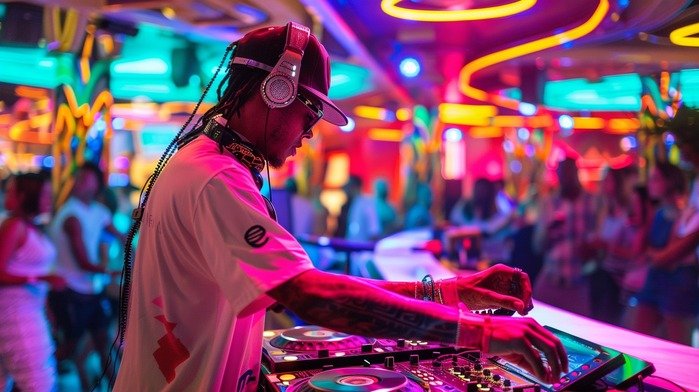
The South African music industry is booming, offering several opportunities for DJs, such as:
- Nightclubs and lounges
- Weddings and private events
- Music festivals (like Ultra SA, Cotton Fest, Oppikoppi)
- Radio stations
- Brand partnerships and sponsorships
You can also monetize your music by producing and selling tracks online.
8. Challenges of Being a DJ in South Africa
While becoming a DJ in South Africa can be an exciting and rewarding journey, it also comes with a few challenges that every aspiring DJ should be prepared for. Understanding these obstacles early on can help you plan better and build a stronger foundation for your career.
1. High Competition:
The South African music scene is full of talented DJs, both upcoming and established. Standing out can be difficult, especially when you’re just starting out. To succeed, focus on developing a unique sound, creating engaging mixes, and building a personal brand that reflects your identity.
2. Inconsistent Income:
In the beginning, many DJs rely on small gigs or unpaid performances to gain experience and exposure. This can make income unpredictable, especially during off-peak seasons. Managing your finances wisely and diversifying your income such as offering DJ lessons or producing music can help create stability.
3. Expensive Equipment and Maintenance:
DJ gear can be costly, and maintaining or upgrading it adds extra expenses. Beginners often start with affordable equipment and upgrade gradually as they gain more experience and bookings. Renting equipment for events can also be a smart short-term solution.
4. Limited Opportunities for Beginners:
It can take time to get noticed by event organizers, club owners, or record labels. Many DJs start with local or community events to build their reputation before moving on to bigger opportunities.
5. Long and Irregular Working Hours:
DJs often perform late at night, on weekends, or during public holidays. This schedule can be demanding and may affect personal time and rest. Time management and self-care are essential to maintain balance and energy.
6. Technical Difficulties and Performance Pressure:
From equipment malfunctions to crowd expectations, live performances come with pressure. Staying calm, prepared, and having backup plans (like extra USB drives or power cables) will help you handle challenges professionally.
7. Staying Relevant in a Changing Industry:
Music trends and technology change rapidly. DJs must continuously learn, update their software, and adapt to new styles to remain competitive.
Despite these challenges, passion and perseverance can make the journey worthwhile. Many successful South African DJs started with limited resources but grew through dedication, networking, and continuous learning. With the right mindset and effort, these challenges can become stepping stones to success.
9. Tips for Success as a DJ

Succeeding as a DJ in South Africa takes more than just technical skills it’s about building your brand, connecting with people, and continuously improving your craft. Here are some practical tips to help you stand out and grow in the competitive entertainment industry:
1. Keep Practicing and Learning:
Consistency is the key to becoming a great DJ. Spend time each week practicing new transitions, exploring different genres, and learning advanced techniques. You can also take online courses or attend DJ workshops to sharpen your skills.
2. Stay Updated with Music Trends:
The South African music scene evolves quickly, with new sounds like Amapiano, Afro-tech, and Deep House gaining popularity. Stay up to date with current hits and underground tracks so your sets always feel fresh and relevant.
3. Build a Professional Image:
Your image and attitude matter just as much as your talent. Always be punctual, respectful, and easy to work with. Create a consistent online presence with a unique DJ name, logo, and social media profiles that reflect your personality and style.
4. Network with Other DJs and Event Organizers:
Building relationships in the entertainment industry opens doors to gigs and collaborations. Attend local events, participate in DJ competitions, and engage with others on social media to grow your connections.
5. Promote Your Work Regularly:
Share your mixes on platforms like SoundCloud, Mixcloud, or YouTube, and post short clips on TikTok or Instagram. Engaging with your audience helps you gain fans and attract potential bookings.
6. Be Adaptable and Read the Crowd:
A great DJ knows how to adjust their playlist based on the crowd’s energy. Learn to read the audience and switch up your music style to keep everyone entertained and on the dance floor.
7. Take Care of Your Equipment:
Your gear is your investment, so handle it with care. Keep it clean, update your software regularly, and always carry backups such as extra cables and USB drives.
8. Stay Positive and Professional:
Not every event will go perfectly, but maintaining a positive attitude will earn you respect. Treat every performance as a learning experience and always remain professional, no matter the situation.
By following these tips, you’ll not only improve your DJ skills but also build a lasting career in South Africa’s vibrant music industry.
10. Final Thoughts
Learning how to become a DJ in South Africa can open doors to exciting opportunities in the entertainment industry. It’s a journey of creativity, connection, and growth. Whether you start as a hobbyist or aim to become a professional, the key is to stay consistent, practice often, and never stop learning.
South Africa has a rich music culture so why not be part of it? With the right mindset, dedication, and hustle, your name could be the next big one lighting up stages across Mzansi.