
How to become a personal trainer in South Africa is a question many fitness enthusiasts ask when they decide to turn their passion for health and exercise into a full-time career. If you love helping others reach their fitness goals, enjoy staying active, and want to make a difference in people’s lives, becoming a personal trainer could be the perfect path for you. But for many beginners, the process can seem confusing where do you start, what qualifications do you need, and how do you build a successful fitness career in South Africa?
This guide was created to give you clear, practical answers. You’ll learn everything from choosing the right qualification and gaining hands-on experience to understanding your earning potential and how to stand out in a growing fitness industry. Whether you dream of working in a gym, starting your own fitness brand, or training clients online, this article will walk you through every step of your journey with easy-to-follow advice tailored for the South African market.
Table of Contents
Why Become a Personal Trainer?
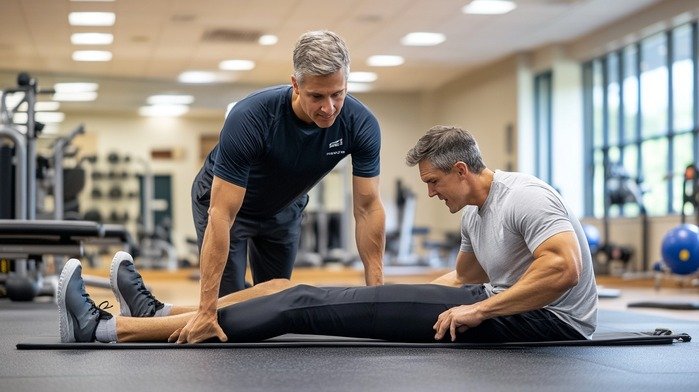
Choosing to become a personal trainer in South Africa is more than just a career move it’s an opportunity to make a real difference in people’s lives. As health awareness continues to grow across the country, more individuals are seeking professional guidance to improve their fitness, manage their weight, and live healthier lifestyles. This has created an exciting and stable demand for skilled, certified trainers who can provide safe and effective support.
Being a personal trainer allows you to combine your love for fitness with a career that’s active, social, and deeply rewarding. You get to see people transform not only physically but also mentally gaining confidence, strength, and motivation through your guidance. Unlike many desk-based jobs, this profession lets you move, interact, and inspire others daily, which often leads to greater job satisfaction and personal growth.
Another advantage is flexibility. Personal trainers can choose from a variety of work environments from gyms and corporate wellness centres to outdoor boot camps or online training sessions. You can also decide to work independently, set your own schedule, and build your brand at your own pace.
In addition, personal training can open doors to many career paths within the broader fitness and wellness industry. With further study, you can branch into nutrition coaching, sports conditioning, or even gym management. This makes it a perfect career for individuals who want to keep learning and evolving over time.
Most importantly, becoming a personal trainer means joining a community of professionals who are passionate about promoting health, discipline, and positive lifestyle habits. It’s a job that gives back every client’s success story becomes part of your own motivation to grow and keep making a difference.
Step 1: Understand What a Personal Trainer Does
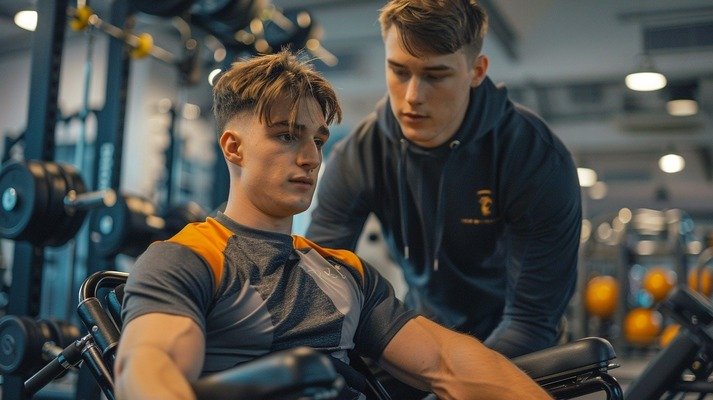
Before you start your journey to becoming a personal trainer in South Africa, it’s important to understand what the role truly involves. A personal trainer is more than just someone who counts repetitions or designs workout plans they are health and fitness professionals who guide, motivate, and educate clients to help them achieve their personal wellness goals in a safe and effective way.
A personal trainer’s main responsibility is to create customized exercise programs based on each client’s needs, fitness level, and objectives. For example, some clients might want to lose weight, while others may be training for a sports event or simply trying to maintain a healthy lifestyle. Trainers assess these goals and design balanced routines that include strength, cardio, and flexibility training.
But the job doesn’t stop there. Personal trainers also teach clients the correct form and technique for each exercise to reduce the risk of injury and ensure maximum results. They provide encouragement, track progress, and adjust workouts as clients improve. In many cases, trainers also offer general advice on nutrition and healthy habits always staying within safe and ethical guidelines.
Equally important is the ability to motivate. Many people struggle to stay consistent with their fitness goals, and that’s where a good trainer makes a difference. By offering support, accountability, and encouragement, personal trainers help clients stay on track and believe in their own abilities.
Overall, being a personal trainer means combining knowledge of the human body with empathy, communication skills, and a passion for helping others. Understanding this from the start will help you develop the right mindset and approach for a successful career in South Africa’s growing fitness industry.
Step 2: Meet the Basic Requirements
In South Africa, there are no strict legal requirements to call yourself a personal trainer. However, most gyms, employers, and clients require an accredited qualification and practical experience.
Basic Entry Requirements:
- Minimum age: 18 years old
- Education: Grade 10 or higher (Matric recommended)
- Language: Ability to communicate clearly in English (and other local languages is a bonus)
- Physical fitness: You should maintain a healthy, active lifestyle
Even though no law prevents unqualified trainers from working, accreditation builds trust and ensures you can find work easily.
Step 3: Choose a Recognised Qualification

To become a professional personal trainer, you’ll need a nationally and internationally recognised fitness qualification. In South Africa, the best route is to study through an institution accredited by CATHSSETA (Culture, Arts, Tourism, Hospitality, and Sport Sector Education and Training Authority) or REPSSA (Register of Exercise Professionals South Africa).
Popular Personal Training Qualifications:
- National Certificate in Fitness (NQF Level 5)
- Duration: 12–18 months
- Covers anatomy, physiology, nutrition, and programme design
- Ideal for beginners
- Higher Certificate in Personal Training (NQF Level 5)
- Duration: 12 months
- Focuses on practical skills and client management
- Diploma in Fitness (NQF Level 6)
- Duration: 18–24 months
- Advanced qualification for those who want to specialise or manage fitness centres
- International Certifications
- NASM (National Academy of Sports Medicine)
- ACE (American Council on Exercise)
- ISSA (International Sports Sciences Association)
- These are widely recognised and can help you work abroad or online.
Step 4: Choose the Right Training Institution
Picking a reputable training provider is crucial. Look for institutions that are accredited, offer practical training, and have good job placement support.
Reputable Institutions in South Africa:
- Trifocus Fitness Academy
- ETA College
- HFPA Fitness Academy
- FitPro
- Exercise Teachers Academy
When choosing a college, ask:
- Are your courses CATHSSETA or REPSSA accredited?
- Do you offer online and in-person options?
- What career support do you offer after graduation?
Step 5: Get Practical Experience

Once you’ve completed your studies, the next important step in becoming a personal trainer in South Africa is gaining hands-on, practical experience. While classroom knowledge gives you a strong foundation in anatomy, exercise science, and nutrition, real-world experience teaches you how to apply what you’ve learned to actual clients with different fitness levels, goals, and personalities.
Practical experience helps you develop essential soft skills such as communication, problem-solving, and motivation which are just as important as your technical knowledge. During this stage, you’ll learn how to adjust workouts for beginners, monitor form and safety, and build positive relationships that keep clients coming back.
Many fitness academies include a practical internship or mentorship as part of their qualification. Take full advantage of this opportunity by working under the supervision of experienced trainers. If your programme doesn’t include one, you can still gain valuable experience by:
- Volunteering at a local gym or community fitness centre
- Assisting an established personal trainer
- Offering free or discounted sessions to family and friends
- Participating in fitness events or wellness programs
Each session you lead will boost your confidence and improve your ability to plan effective, results-driven workouts. It also helps you understand how to manage time, handle different client personalities, and adapt to unexpected challenges all key traits of a successful trainer.
By the time you complete your practical hours, you’ll not only have a stronger understanding of how to coach clients safely and effectively, but you’ll also be more prepared to find paying work or even start your own personal training business. Remember, experience builds trust and in the fitness industry, trust is everything.
Step 6: Register with a Professional Body
After earning your qualification, the next important step in becoming a personal trainer in South Africa is to register with a professional fitness body. This step is essential because it adds credibility to your name, assures clients that you meet national standards, and helps you stay connected with developments in the fitness industry.
In South Africa, the main recognised professional organisation for fitness professionals is the Register of Exercise Professionals South Africa (REPSSA). REPSSA works to maintain high standards in the health and fitness sector by ensuring that trainers are properly qualified, ethical, and committed to continuous learning.
💡 Why Registration Matters
Joining a professional body like REPSSA offers several advantages:
- Professional recognition: Employers and clients will know that you have met the required level of training and competence.
- Career opportunities: Many gyms and health clubs prefer or even require trainers to be registered before hiring them.
- Access to resources: You’ll gain access to workshops, networking events, and educational materials that can help you grow your career.
- Global credibility: REPSSA is connected to international fitness organisations, which can help if you ever wish to work or collaborate abroad.
To register, you’ll need to provide proof of your qualification, identification, and possibly complete an application process on the official REPSSA website. There may also be a membership fee depending on your level of qualification.
Being a registered professional shows that you take your career seriously and are committed to ethical, high-quality fitness coaching. It also gives clients peace of mind knowing they’re working with someone who values safety, professionalism, and ongoing education.
Visit www.repssa.com for more information about membership categories and fees.
Step 7: Find Employment or Start Your Own Business
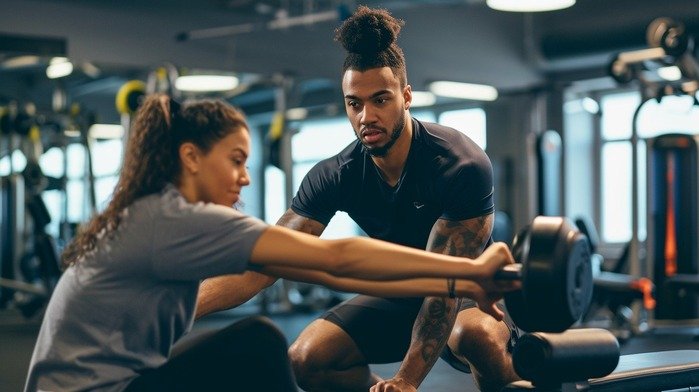
After qualifying and registering, you can start working as a personal trainer.
Career Options:
- Work at a Gym:
Join fitness chains like Virgin Active, Planet Fitness, or independent gyms. - Freelance Training:
Offer personal sessions at home, in parks, or online. - Corporate Fitness:
Many companies hire trainers to run wellness programs for employees. - Specialised Training:
Focus on specific groups — for example:- Senior citizens
- Athletes
- Pre- and post-natal women
- People recovering from injuries
- Online Coaching:
With technology, you can train clients virtually using apps or video sessions.
Step 8: Understand Your Earning Potential
Personal trainer salaries in South Africa vary based on experience, qualifications, and location.
| Experience Level | Monthly Salary (ZAR) | Description |
|---|---|---|
| Entry-Level | R8,000 – R15,000 | New trainers in gyms |
| Mid-Level | R15,000 – R25,000 | Trainers with 2–5 years’ experience |
| Senior / Specialist | R25,000 – R45,000+ | High-end clients or gym managers |
| Freelance / Self-Employed | Variable | Depends on client base |
Freelancers can charge between R250 – R600 per session, depending on location and expertise.
Step 9: Build Your Personal Brand
In today’s competitive fitness industry, building a strong personal brand is one of the most effective ways to grow your career as a personal trainer in South Africa. Your brand is what sets you apart it’s the image, reputation, and trust you create through your work, communication, and online presence.
A successful personal trainer doesn’t just focus on workouts they focus on building relationships and visibility. Start by identifying what makes you unique. Maybe you specialise in weight loss, functional training, strength conditioning, or group fitness. Knowing your niche will help you attract the right audience and clients who connect with your style and expertise.
Creating an online presence is also essential. You can use social media platforms like Instagram, Facebook, or TikTok to share workout tips, motivational messages, and client success stories (with permission). Consistent, helpful content builds credibility and helps potential clients see your value before they even meet you.
Professionalism is key to maintaining your brand. Always communicate clearly, respond promptly to messages, and present yourself in a way that reflects confidence and respect. Remember, every interaction online or in person contributes to your reputation.
You can also take your brand to the next level by:
- Designing a simple logo or business name for your services
- Creating a personal training website or portfolio
- Asking satisfied clients for testimonials and reviews
- Networking with other fitness professionals and gyms
Over time, your personal brand becomes your most valuable marketing tool. It helps you stand out, gain loyal clients, and grow a career that reflects both your personality and passion for fitness.
Step 10: Continue Your Professional Development
The best personal trainers never stop learning. Fitness science evolves constantly, and keeping up with new research ensures you provide the best guidance.
Continuing Education Ideas:
- Attend short courses in nutrition, strength training, or rehabilitation
- Take workshops on motivational coaching
- Read fitness journals or listen to health podcasts
- Learn about online coaching and digital marketing
REPSSA members also need to complete CPD (Continuing Professional Development) points annually to maintain their registration.
Step 11: Tips for Success as a Personal Trainer

Building a successful career as a personal trainer in South Africa takes more than just fitness knowledge it requires strong communication skills, professionalism, and a genuine desire to help others reach their goals. Whether you work in a gym or run your own business, these tips can help you grow and stand out in a competitive industry.
1. Be a Great Communicator
Effective trainers know how to listen and understand each client’s goals, lifestyle, and limitations. When clients feel heard, they’re more likely to trust your guidance and stay motivated.
2. Stay Professional and Reliable
Always be punctual, well-prepared, and respectful. Clients are investing their time and money in you, so maintaining professionalism builds lasting relationships and a positive reputation.
3. Keep Learning and Evolving
The fitness industry is always changing, with new research, methods, and technology emerging every year. Attend workshops, complete short courses, and stay informed about the latest trends. Continuous learning improves your credibility and keeps your sessions exciting and effective.
4. Lead by Example
Your lifestyle reflects your commitment to your work. Maintaining your own health and discipline shows clients that you live what you teach, inspiring them to stay consistent.
5. Focus on Motivation, Not Perfection
Every client is different. Celebrate small wins and progress, rather than pushing unrealistic standards. Positive encouragement helps clients feel confident and supported throughout their journey.
6. Build a Strong Network
Connect with other fitness professionals, gym owners, and wellness brands. Networking can open doors to new clients, partnerships, and learning opportunities.
7. Be Patient and Consistent
Success in personal training doesn’t happen overnight. It takes time to build trust, grow your client base, and establish a steady income. Stay focused, consistent, and passionate your hard work will pay off.
By applying these principles, you can create a fulfilling career that combines financial stability with purpose. Remember, being a great personal trainer isn’t just about fitness it’s about building meaningful relationships and guiding people toward healthier, happier lives.
The Future of Personal Training in South Africa
The fitness industry is evolving with new technology, online coaching, and wellness awareness. South Africans are becoming more health-conscious, which creates exciting opportunities for passionate trainers.
According to industry insights:
- The rise of fitness influencers has boosted demand for qualified professionals.
- Corporate wellness programs are expanding.
- Online training is a growing market, allowing trainers to reach clients nationwide.
If you start today, you’ll be part of a growing and sustainable industry that values health, education, and lifestyle transformation.
Final Thoughts
Becoming a personal trainer in South Africa isn’t just about fitness it’s about changing lives, including your own. With the right qualifications, attitude, and continuous learning, you can build a fulfilling and financially rewarding career.
Remember: every great trainer started exactly where you are now with a passion for helping others. Take that first step today by enrolling in a fitness course, gaining experience, and building your brand. The future of fitness in South Africa needs people like you.
Also Read: How to become a notary in South Africa