
When applying for a job, your motivational letter for CV can be the key that opens doors to new career opportunities. Many people focus only on their résumé or CV, but a well-written motivational letter can make your application stand out from the rest. It’s your chance to show employers who you are beyond your qualifications your passion, your goals, and what makes you the right fit for the job.
In this detailed guide, you’ll learn what a motivational letter is, why it’s important, how to write one step-by-step, and even see examples to help you craft your own.
Table of Contents
1. What Is a Motivational Letter for CV?

A motivational letter (also called a “letter of motivation”) is a document that you include with your CV or résumé when applying for a job, internship, scholarship, or university program. Its main goal is to explain your motivation for applying, highlight your relevant skills, and show your enthusiasm for the position or organization.
While your CV lists your achievements and qualifications, your motivational letter tells your story why you are interested in the opportunity and what drives you to pursue it.
In short, your CV shows what you’ve done, and your motivational letter shows who you are.
2. Why a Motivational Letter Matters
A motivational letter for CV plays a vital role in your job or academic application because it gives you the chance to express your personality, passion, and motivation beyond the facts listed on your résumé. Employers and recruiters often receive dozens, if not hundreds, of applications that look very similar in qualifications. What truly makes an applicant stand out is how they communicate their enthusiasm, goals, and drive and that’s exactly what a motivational letter does.
This letter allows you to explain why you want the opportunity, not just what makes you qualified for it. It helps hiring managers understand your values, mindset, and purpose, giving them a sense of who you are as a person. In other words, your motivational letter adds the human touch your CV can’t show.
A well-written motivational letter also demonstrates that you’ve taken the time to research the organization and genuinely want to be part of it. This effort reflects dedication, professionalism, and attention to detail, qualities that employers highly appreciate.
Ultimately, your motivational letter matters because it helps you:
- Create a strong first impression and stand out among other applicants.
- Show genuine interest in the role or institution.
- Highlight your fit by connecting your goals to the company’s mission.
- Demonstrate communication skills through clear and thoughtful writing.
When written effectively, a motivational letter can be the difference between being overlooked and being invited for an interview making it one of the most powerful tools in your job search.
3. Motivational Letter vs. Cover Letter – What’s the Difference?
Many people confuse a motivational letter with a cover letter. While they are similar, there are subtle differences:
| Aspect | Motivational Letter | Cover Letter |
|---|---|---|
| Purpose | Focuses on your motivation, values, and goals. | Focuses on your professional experience and how it fits the job. |
| Tone | More personal and emotional. | More formal and direct. |
| Use | Common for universities, scholarships, internships, NGOs. | Used mainly for job applications. |
In South Africa and many other countries, job seekers often use these terms interchangeably. However, if the company specifically asks for a motivational letter, they want to see your passion and reasons for applying, not just your work history.
4. When Should You Include a Motivational Letter?
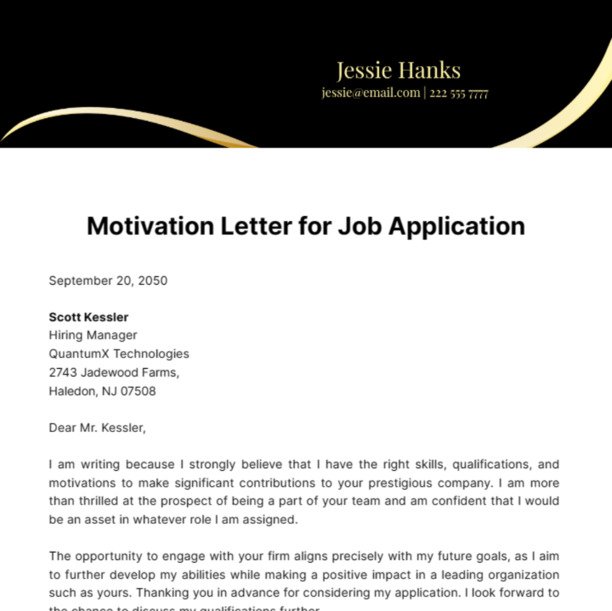
Including a motivational letter for CV depends on the type of opportunity you’re applying for and what the employer or institution requests. While not every job or program requires one, there are specific situations where submitting a motivational letter can make a big difference.
You should include a motivational letter when you want to show your personal interest, goals, and passion things that your CV alone may not express. It’s especially useful when applying for opportunities that value personality, commitment, and motivation as much as experience.
Here are some situations where adding a motivational letter is highly recommended:
- Job applications: When applying for positions that require creativity, leadership, or strong communication skills. A motivational letter helps you explain why you want the job and why you’re a good fit.
- Internships and volunteer work: Many organizations value motivation and willingness to learn over experience. A motivational letter helps you express your enthusiasm to contribute.
- University or scholarship applications: Academic institutions often ask for motivational letters to understand your goals, study interests, and future aspirations.
- Career changes: If you’re switching industries or roles, a motivational letter gives you space to explain your decision and highlight transferable skills.
Even if it’s not required, including a motivational letter shows initiative and effort. It tells the employer that you’re genuinely interested in the position not just sending out applications randomly.
In short, you should include a motivational letter whenever you want to make your application more personal, persuasive, and memorable.
5. How to Write a Motivational Letter for CV (Step-by-Step)
Let’s break down how to create a motivational letter that is professional, persuasive, and authentic.
Step 1: Research the Company or Institution
Before writing anything, learn about the organization. Visit their website and find out:
- Their mission, values, and goals.
- What they are looking for in a candidate.
- The kind of work culture they promote.
This helps you tailor your letter so it feels personal and relevant, not generic.
Step 2: Write a Strong Introduction
Start your letter with a clear and engaging opening paragraph. Mention:
- The position or opportunity you’re applying for.
- How you found out about it.
- A brief statement about why you’re interested.
Example:
I am writing to express my strong interest in the Marketing Assistant position at ABC Company, as advertised on GrindTime.co.za. With a passion for digital marketing and a drive to grow in a creative environment, I am eager to contribute my skills and enthusiasm to your dynamic team.
Step 3: Explain Your Motivation
This is the heart of your letter. Explain why you’re applying and what inspires you about the role or organization.
You can include:
- What attracts you to the field or company.
- How the position aligns with your career goals.
- What personal values or experiences drive your interest.
Example:
I have always been inspired by how digital storytelling can influence communities and create real impact. Your company’s focus on innovative social media campaigns deeply resonates with my career goal of becoming a digital strategist who builds meaningful connections between brands and audiences.
Step 4: Highlight Your Skills and Experience
Now link your motivation to your qualifications. Mention relevant skills, achievements, or experiences that show you can succeed in the role.
- Focus on 2–3 key strengths.
- Provide examples that show your impact.
- Avoid repeating your CV word-for-word.
Example:
During my internship at XYZ Media, I developed and managed content calendars for multiple brands, improving engagement rates by 40%. I also gained experience using marketing tools like Canva, Google Ads, and Mailchimp, which I believe will be valuable in supporting your team’s digital initiatives.
Step 5: Show Cultural Fit and Enthusiasm
Employers want to know that you’ll blend well with their team and company culture. Show that you understand their values and that you’re excited to contribute.
Example:
I am drawn to ABC Company’s commitment to innovation and collaboration. I believe that my creativity, adaptability, and positive energy make me a great fit for your team culture and mission.
Step 6: End with a Strong Closing Paragraph
Finish your letter by restating your enthusiasm and inviting the employer to take the next step.
Example:
I would be thrilled to join ABC Company and contribute to your upcoming projects. Thank you for considering my application. I look forward to the opportunity to discuss how my skills and motivation can benefit your team.
Then close with a polite sign-off such as:
Sincerely, Kind regards, or Yours faithfully
followed by your full name and contact information.
6. Motivational Letter Format and Structure
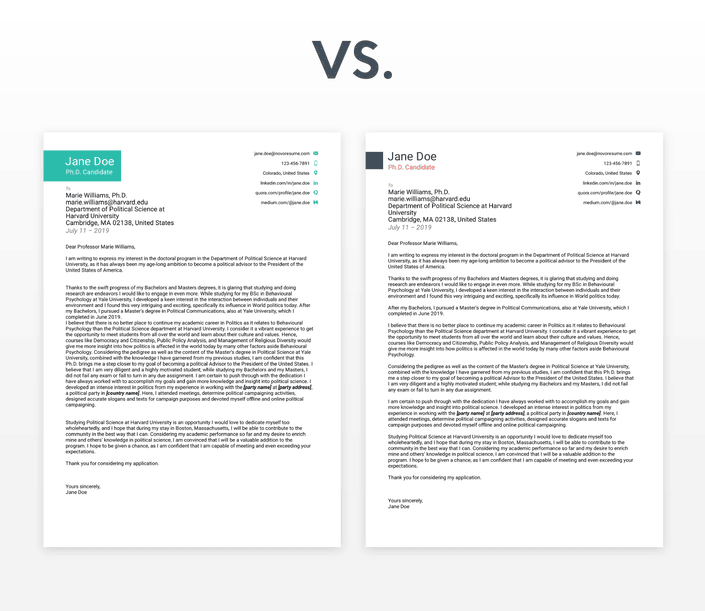
To make your motivational letter look professional, follow this simple format:
Header (Top Left Corner):
- Your name
- Address
- Phone number
- Email address
- Date
Employer’s Details (Below Your Info):
- Hiring Manager’s name (if known)
- Company name
- Company address
Structure of the Letter:
- Greeting – e.g., “Dear Mr. Dlamini,” or “Dear Hiring Manager,”
- Introduction – Who you are and why you’re writing.
- Body (2–3 paragraphs) – Motivation, skills, and fit.
- Closing Paragraph – Reaffirm interest and thank the reader.
- Sign-off – “Sincerely,” followed by your name.
Tip: Keep your motivational letter one page long (300–500 words) unless otherwise requested.
7. Example of a Motivational Letter for CV
Here’s a practical example you can adapt to your own application:
[Your Name]
[Your Address]
[Your Phone Number]
[Your Email Address]
[Date]
Hiring Manager
ABC Company
[Company Address]
Subject: Application for Marketing Assistant Position
Dear Hiring Manager,
I am writing to express my strong interest in the Marketing Assistant position at ABC Company, as advertised on GrindTime.co.za. As a recent graduate with a Diploma in Marketing and a deep passion for creative communication, I am eager to contribute my energy and ideas to your dynamic marketing team.
I have always been inspired by how marketing can bring people together and tell stories that make a difference. During my internship at XYZ Media, I managed content for several small business clients, developing social media posts and campaigns that increased engagement by 40%. This experience strengthened my skills in digital strategy, analytics, and copywriting.
I am particularly drawn to ABC Company’s commitment to innovation and community-driven campaigns. I believe my creativity, strong work ethic, and desire to learn align perfectly with your organization’s values.
I would welcome the opportunity to bring my passion for marketing and digital engagement to your company. Thank you for considering my application. I look forward to the opportunity to discuss how I can contribute to your team.
Kind regards,
[Your Full Name]
8. Tips for Writing an Effective Motivational Letter
Writing an effective motivational letter for CV requires more than just listing your skills it’s about telling your story in a way that feels genuine, confident, and relevant to the opportunity. A well-written letter can help you stand out by showing your enthusiasm, professionalism, and understanding of the role or organization.
Here are some practical tips to help you write a motivational letter that makes a lasting impression:
- Personalize your letter for each application:
Avoid using the same letter for every job. Research the company or institution, and tailor your message to show that you understand their goals and values. - Start with a strong introduction:
Capture attention in the first few lines by clearly stating which position you’re applying for and why it excites you. A focused introduction encourages the reader to continue. - Show your motivation clearly:
Explain what drives you to apply. Employers want to see your passion and commitment — not just your qualifications. - Highlight your most relevant skills and experiences:
Choose two or three key achievements that demonstrate your ability to succeed in the role. Use short examples to support your points. - Use a positive and confident tone:
Write with enthusiasm but remain professional. Avoid negative or uncertain language like “I think” or “I might.” - Keep it short and clear:
Aim for one page, with easy-to-read paragraphs. Recruiters often have limited time, so clarity and brevity are key. - Proofread carefully:
Grammar and spelling mistakes can hurt your credibility. Read your letter out loud or ask someone else to review it before sending. - End with a polite call to action:
Conclude by thanking the reader for their time and expressing your interest in an interview or further discussion.
By following these tips, your motivational letter will show that you are not only qualified but also passionate and prepared qualities that employers and recruiters truly value.
9. Common Mistakes to Avoid
When writing a motivational letter for CV, even small mistakes can reduce your chances of making a strong impression. Avoiding common errors will help you create a letter that is professional, clear, and effective. Many applicants lose opportunities not because they lack skills, but because their motivational letter fails to communicate their message properly.
Here are some common mistakes to avoid:
- Using a generic letter for every application:
Employers can easily tell when a letter has been copied and pasted. Always tailor your motivational letter to the specific job, company, or program. - Repeating your CV word-for-word:
Your letter should complement your CV, not duplicate it. Focus on explaining why you are interested and how your experiences make you a good fit. - Being too vague or impersonal:
Avoid general statements like “I am a hard worker.” Instead, use specific examples that demonstrate your motivation or achievements. - Writing a letter that’s too long or too short:
Keep your motivational letter concise ideally one page (300–500 words). A long, unfocused letter can lose the reader’s attention. - Ignoring grammar and spelling:
Typos and grammatical errors make your application look careless. Always proofread or use a spelling tool before sending. - Using an unprofessional tone:
Keep your writing polite, confident, and respectful. Avoid slang, emojis, or overly casual language. - Forgetting to mention the company or position name:
Generic openings like “To whom it may concern” can feel impersonal. Whenever possible, address the hiring manager by name and refer to the specific position. - Sounding desperate or negative:
Stay positive and confident. Focus on your strengths and excitement for the opportunity rather than past rejections or challenges.
By avoiding these mistakes, you’ll create a motivational letter that is clear, sincere, and professional one that captures attention and shows you’re truly prepared for the opportunity.
10. Final Checklist Before Sending
Before submitting your motivational letter, double-check the following:
✅ Correct company name and position.
✅ No spelling or grammar errors.
✅ Proper formatting (one page, clean font).
✅ Includes your contact details.
✅ Reflects your true motivation and personality.
11. Why a Motivational Letter Can Make a Difference

A motivational letter for CV can make a real difference in your job or academic application because it allows you to share your story and passion in a way that your résumé alone cannot. While your CV lists your skills, education, and work experience, a motivational letter shows who you are as a person your goals, determination, and enthusiasm for the opportunity.
Employers often look for candidates who not only have the right qualifications but also the right attitude and motivation. A motivational letter gives you a chance to connect emotionally with the reader by explaining why you are genuinely interested in the position or organization. It helps you stand out from other applicants who may have similar experience but lack a personal touch in their application.
When written well, a motivational letter can:
- Create a lasting impression by showcasing your personality and career goals.
- Highlight your unique qualities that match the company’s culture and values.
- Show initiative and effort, proving that you care about the opportunity.
- Strengthen your application, especially when your CV alone doesn’t fully reflect your passion or potential.
In many cases, hiring managers remember candidates who write sincere and well-structured motivational letters because it shows commitment and self-awareness. That personal connection can be the deciding factor that moves your application from the shortlist to the interview stage.
Simply put, a motivational letter can turn your application into a compelling story one that convinces employers you’re not just qualified, but truly motivated to make a difference.
12. Conclusion
A motivational letter for CV is more than a formality it’s your opportunity to make a personal connection with your potential employer. When written with sincerity, structure, and purpose, it can transform your application into a powerful story that sets you apart.
Remember:
- Keep it personal and professional.
- Focus on your motivation and fit.
- Always tailor it to the specific role or organization.
With the right approach, your motivational letter can help you move one step closer to your dream job.