

How to become a chef is a question many food enthusiasts ask when they dream of turning their love for cooking into a rewarding career. Whether you’re inspired by watching cooking shows, enjoy experimenting with recipes at home, or want to work in a professional kitchen, becoming a chef offers endless opportunities to express creativity and passion through food.
A chef’s journey is about much more than learning how to cook it’s about developing discipline, leadership, and an understanding of flavors, presentation, and teamwork. From preparing ingredients to managing entire kitchens, chefs play a vital role in shaping memorable dining experiences.
This comprehensive guide will walk you through everything you need to know about becoming a chef, including the different types of chefs and their roles, the education and training required, essential skills for success, and valuable career tips. Whether you’re starting from scratch or looking to take your culinary skills to the next level, this article will help you understand the steps needed to build a successful career in the culinary world.
Table of Contents
What Does a Chef Do?
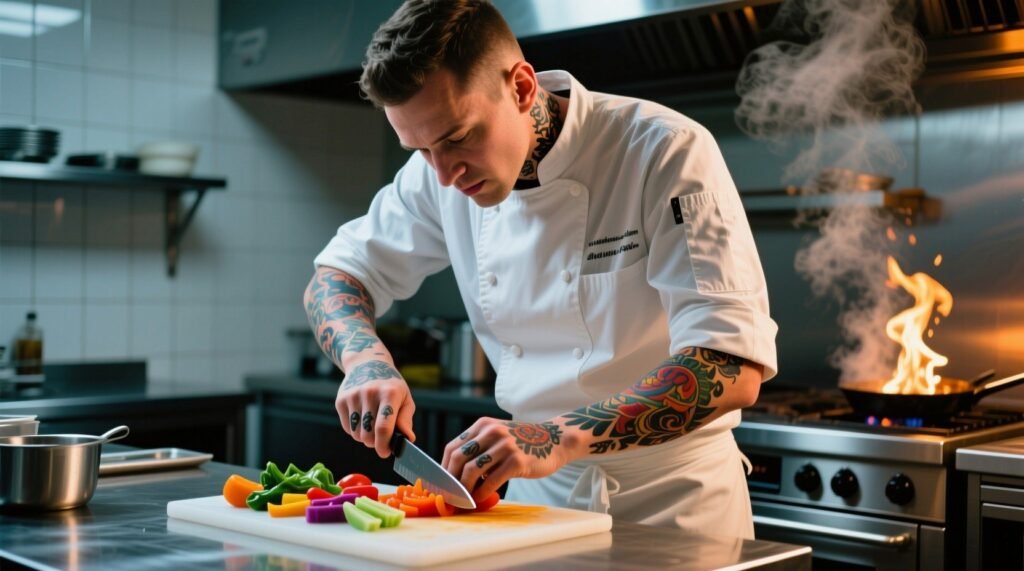
Before you start your culinary journey, it’s important to understand what being a chef truly means.
A chef is a trained professional who prepares meals, designs menus, manages kitchen operations, and ensures that every dish leaving the kitchen meets high standards of taste and presentation.
Depending on the type of restaurant or kitchen, chefs may also be responsible for:
- Supervising kitchen staff and assigning tasks
- Ordering and managing inventory of food and ingredients
- Maintaining hygiene and food safety standards
- Training new cooks and apprentices
- Creating seasonal or specialty menus
- Managing budgets and reducing food waste
In short, a chef’s role combines creativity, leadership, and technical skill.
Types of Chefs and Their Roles

The culinary world is diverse and structured, with each chef holding a unique position and responsibility within the kitchen. Understanding the different types of chefs and their roles helps you decide which career path aligns best with your skills, interests, and long-term goals.
Here’s a detailed look at the most common types of chefs found in professional kitchens around the world:
1. Commis Chef (Junior Cook)
A commis chef is an entry-level position and often the starting point for anyone beginning their culinary journey. They work under the supervision of more experienced chefs, assisting with basic food preparation such as chopping vegetables, preparing sauces, and maintaining the cleanliness of work areas.
Key Responsibilities:
- Learning and practicing basic cooking techniques
- Assisting with food prep and plating
- Keeping the kitchen organized and clean
- Observing and learning from senior chefs
This position is perfect for those new to the industry, as it provides hands-on experience and a chance to build a strong foundation in culinary arts.
2. Chef de Partie (Station Chef)
A chef de partie, also known as a line cook or station chef, is responsible for managing one specific section of the kitchen. Professional kitchens are divided into different “stations,” each specializing in certain types of dishes such as the grill, fish, sauce, or pastry section.
Examples of Stations Include:
- Saucier: Prepares sauces and gravies
- Poissonnier: Handles fish and seafood dishes
- Grillardin: Works with grilled and roasted items
- Entremetier: Prepares soups, vegetables, and eggs
- Pâtissier: Creates desserts and baked goods
Key Responsibilities:
- Overseeing one section of the kitchen
- Ensuring dishes are prepared according to recipes
- Managing assistants or apprentices working in their station
This role requires focus, precision, and the ability to handle pressure during busy service times.
3. Sous Chef (Second-in-Command)
The sous chef is the assistant to the head chef, often considered the backbone of the kitchen. They supervise daily operations, maintain quality control, and ensure that all dishes are consistent.
Key Responsibilities:
- Supervising staff and kitchen workflow
- Checking food quality before it leaves the kitchen
- Training and mentoring junior chefs
- Managing kitchen inventory and ordering supplies
- Handling kitchen operations when the head chef is away
A sous chef must have excellent leadership, communication, and organizational skills, as they act as the bridge between the head chef and the rest of the kitchen team.
4. Head Chef (Executive Chef)
The head chef or executive chef is the leader of the entire kitchen. They are responsible for the creative and administrative sides of running a restaurant. Beyond cooking, their duties involve planning menus, managing budgets, and ensuring the kitchen operates efficiently.
Key Responsibilities:
- Designing and updating the restaurant menu
- Supervising all kitchen staff
- Controlling food costs and budgets
- Ensuring food quality and presentation
- Enforcing health and safety standards
Head chefs also act as mentors, helping train and inspire the next generation of culinary professionals. This is often the highest-ranking position in the kitchen hierarchy.
5. Pastry Chef (Pâtissier)
The pastry chef is a specialist who focuses on baking and creating desserts, pastries, bread, and other sweet treats. Their work often requires patience, creativity, and precision.
Key Responsibilities:
- Preparing pastries, cakes, and desserts
- Creating decorative and flavorful desserts for menus
- Experimenting with new baking techniques
- Managing the pastry section and assisting junior bakers
Pastry chefs can work in restaurants, hotels, or bakeries and in some cases, they even open their own dessert-focused businesses. This role is ideal for those who enjoy creativity and attention to detail.
6. Private or Personal Chef
A private chef works for a specific client, such as a family, celebrity, or business executive. They prepare customized meals based on the client’s preferences, dietary needs, and schedule.
Key Responsibilities:
- Designing meal plans tailored to clients
- Shopping for high-quality ingredients
- Cooking and serving meals at private residences
- Ensuring food safety and kitchen cleanliness
Private chefs enjoy flexibility and often form long-term relationships with clients. This path suits individuals who value creativity, independence, and one-on-one service.
7. Catering Chef
A catering chef focuses on preparing food for large-scale events such as weddings, parties, or corporate functions. Unlike restaurant chefs, catering chefs need to handle high-volume cooking and coordinate logistics to serve many guests efficiently.
Key Responsibilities:
- Planning menus suitable for large events
- Organizing cooking equipment and ingredients
- Overseeing food preparation and delivery
- Managing catering teams and event timelines
This role requires strong organizational and planning skills, as well as the ability to adapt to different venues and client expectations.
8. Garde Manger (Cold Kitchen Chef)
The garde manger specializes in preparing cold dishes such as salads, appetizers, cold meats, and platters. They are also responsible for maintaining the freshness and presentation of cold items.
Key Responsibilities:
- Preparing salads, sandwiches, and cold appetizers
- Managing food storage and preservation
- Ensuring food safety in refrigeration and handling
This role plays an important part in ensuring the kitchen offers variety and balance in the menu.
9. Banquet Chef
A banquet chef oversees food preparation for events hosted within hotels or large venues. They work closely with the event management team to ensure meals are served promptly and meet guest expectations.
Key Responsibilities:
- Preparing meals for events and banquets
- Coordinating with event planners and service staff
- Managing large kitchen teams during events
This position is ideal for chefs who thrive in fast-paced environments and enjoy working on large-scale productions.
10. Research and Development (R&D) Chef
An R&D chef works behind the scenes to create and test new recipes, ingredients, or food products for restaurants, food brands, or manufacturers.
Key Responsibilities:
- Developing innovative recipes and menus
- Testing ingredient combinations and cooking methods
- Ensuring consistency in flavor, appearance, and quality
- Collaborating with marketing and production teams
R&D chefs combine culinary expertise with creativity and scientific thinking making this role perfect for chefs interested in innovation and product development.
11. Executive Sous Chef
In larger establishments, an executive sous chef serves as the senior assistant to the executive chef. They often handle administrative tasks such as scheduling, training, and performance reviews, allowing the executive chef to focus on strategic planning.
Key Responsibilities:
- Managing multiple kitchen teams
- Overseeing kitchen operations across departments
- Implementing new menus and staff training
This position is common in hotels, resorts, and cruise lines where kitchen operations are extensive.
12. Specialty Chefs
Some chefs choose to specialize in a specific cuisine or cooking style. Examples include:
- Sushi Chef (Itamae): Focuses on Japanese sushi preparation.
- Tandoori Chef: Specializes in Indian cuisine and clay oven dishes.
- Vegan or Plant-Based Chef: Creates meat-free, plant-forward meals.
- Fusion Chef: Combines elements from different cuisines to create innovative dishes.
Specialty chefs are in high demand, especially as diners become more adventurous and health-conscious.
13. Consulting Chef
A consulting chef provides expert advice to restaurants, hotels, or food businesses. They help design menus, improve kitchen efficiency, and train staff.
Key Responsibilities:
- Reviewing and updating menus
- Advising on kitchen layout and workflow
- Conducting staff training sessions
- Improving overall food quality and presentation
This role often appeals to experienced chefs who want to share their expertise and influence multiple establishments rather than working in one kitchen.
Why Understanding Chef Roles Matters
Each chef’s role contributes to the overall success of a restaurant or kitchen. When you understand the hierarchy and responsibilities, it becomes easier to plan your career path. You can start as a commis chef, work your way up to chef de partie, and eventually aim for the executive chef position.
Knowing your options also helps you identify your strengths whether you prefer the creativity of pastry arts, the precision of fine dining, or the independence of private cooking.
No matter which path you choose, every role in the kitchen plays a crucial part in creating an unforgettable dining experience.
✅ Key Takeaway:
The culinary industry offers a variety of exciting roles for passionate individuals. By understanding the types of chefs and their responsibilities, you can find a career that matches your interests and long-term goals whether that’s leading a restaurant kitchen, designing desserts, or cooking for private clients.
Education and Training: How to Get Started
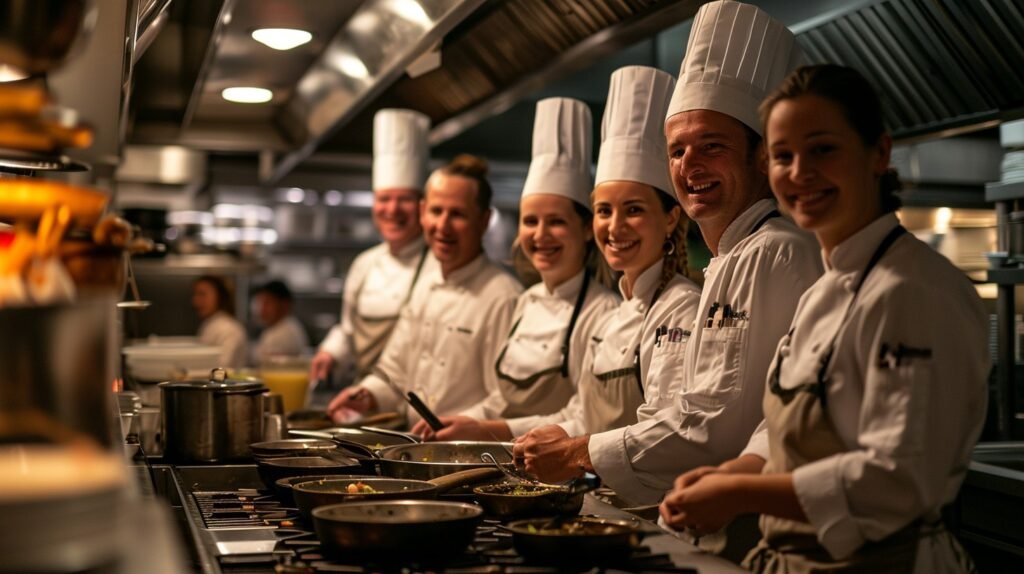
When it comes to how to become a chef, there’s no single path. Some chefs start by attending culinary school, while others work their way up through on-the-job experience. Let’s explore both routes.
1. Formal Culinary Education
Attending a culinary school or college gives you structured training and professional credentials.
You’ll learn:
- Knife skills and cooking techniques
- Food safety and hygiene
- Baking and pastry fundamentals
- Nutrition and menu planning
- Restaurant management
After completing your studies, you can earn a certificate, diploma, or degree in culinary arts.
Some popular culinary institutions include:
- Le Cordon Bleu (internationally recognized)
- Culinary Institute of America (USA)
- International Hotel School (South Africa)
- Capsicum Culinary Studio (South Africa)
2. On-the-Job Training
If you prefer a hands-on approach, you can start working in a kitchen as a kitchen assistant, dishwasher, or commis chef.
This allows you to:
- Gain real-world experience
- Learn directly from professional chefs
- Develop a strong work ethic
- Build a network in the industry
Many top chefs began their careers this way, proving that passion and persistence can be just as valuable as formal education.
Essential Skills You Need to Become a Chef
Cooking is an art, but being a chef requires much more than knowing recipes. Here are key skills every aspiring chef should develop:
1. Culinary Skills
Master the basics chopping, sautéing, grilling, baking, and seasoning. Precision and consistency are key.
2. Creativity
A great chef experiments with flavors, textures, and presentation to create unique dining experiences.
3. Time Management
Kitchens are fast-paced environments. You must be able to multitask and deliver food on time.
4. Leadership
As you move up in your career, you’ll need to lead a team, manage conflicts, and motivate others.
5. Communication
Clear communication ensures smooth kitchen operations, especially during busy service hours.
6. Attention to Detail
Small mistakes can affect the quality of food and customer satisfaction. Precision is critical.
7. Physical Stamina
Being a chef involves long hours on your feet, working in hot environments, and handling stress efficiently.
8. Adaptability
Menus, customer preferences, and kitchen challenges change often. Flexibility is essential to success.
Steps to Become a Chef

Here’s a detailed step-by-step breakdown of how you can build your culinary career:
Step 1: Develop a Passion for Cooking
Start by cooking at home. Experiment with recipes, watch cooking shows, and explore cuisines. The more you practice, the better you’ll understand flavors and techniques.
Step 2: Get Basic Training or Experience
If possible, take short cooking courses or volunteer in local kitchens. This gives you a feel for the professional environment.
Step 3: Attend Culinary School (Optional but Helpful)
Enroll in a culinary arts program to gain formal training and credentials. This can improve your job prospects and open doors to prestigious kitchens.
Step 4: Start Working in Entry-Level Positions
Join a restaurant or hotel as a commis chef or kitchen assistant. Learn how professional kitchens operate, follow instructions, and absorb as much knowledge as possible.
Step 5: Build Experience and Move Up
As you gain skills, you’ll advance to higher positions like chef de partie and sous chef. Always seek feedback and learn from senior chefs.
Step 6: Develop Your Specialization
You might want to specialize in an area such as pastry, seafood, Italian cuisine, or molecular gastronomy. Becoming an expert in one field can set you apart.
Step 7: Earn Certifications (Optional)
Professional certifications like ServSafe (for food safety) or City & Guilds culinary qualifications can boost your credibility.
Step 8: Network and Learn Continuously
Attend food festivals, join chef associations, and connect with other professionals. The culinary world thrives on collaboration and continuous learning.
Step 9: Consider Opening Your Own Restaurant
Once you’ve gained enough experience, you may want to start your own restaurant or catering business. This allows creative freedom but also comes with responsibility and risk.
Career Opportunities and Work Settings
Chefs work in a wide range of environments, such as:
- Restaurants and hotels
- Cruise ships and airlines
- Resorts and spas
- Private homes (as personal chefs)
- Schools or hospitals
- Catering and event companies
You can also explore alternative careers, like becoming a food stylist, recipe developer, culinary instructor, or TV cooking show host.
How Much Do Chefs Earn?
Chef salaries vary based on experience, location, and type of establishment.
In South Africa, for example:
- Entry-level chefs earn around R6,000 – R12,000 per month.
- Experienced sous chefs earn between R15,000 – R25,000 per month.
- Executive chefs can earn over R30,000 – R50,000 monthly in top restaurants or hotels.
Globally, chefs in countries like the UK, USA, or Australia can earn significantly more, especially in fine-dining establishments.
Challenges of Being a Chef
While being a chef is rewarding, it also comes with challenges you should be prepared for:
- Long working hours, including weekends and holidays
- High-pressure environment during service times
- Physically demanding tasks
- Tight deadlines and multitasking
- Managing kitchen conflicts
However, most chefs agree that the passion for cooking and the joy of creating memorable dishes outweigh the difficulties.
Benefits of Becoming a Chef
Despite the challenges, there are many advantages to pursuing this career:
- Opportunity to express creativity daily
- Job satisfaction from making others happy through food
- Diverse career paths and global opportunities
- Possibility to travel and work internationally
- The chance to start your own business
Cooking can be one of the most fulfilling careers for those who love food and creativity.
Tips for Success as a Future Chef

Here are some valuable tips to help you thrive in your culinary journey:
- Never Stop Learning: Try new ingredients and cooking techniques.
- Be Patient: Success in the culinary field takes time and experience.
- Practice Discipline: Follow recipes precisely before experimenting.
- Stay Organized: Keep your kitchen space clean and well-managed.
- Build Relationships: Respect everyone in the kitchen teamwork is essential.
- Keep a Recipe Journal: Record your ideas and techniques for future use.
- Stay Updated: Follow food trends, attend workshops, and read culinary blogs.
Frequently Asked Questions (FAQ)

1. Do I need a degree to become a chef?
No. While formal training helps, many successful chefs started with on-the-job experience.
2. How long does it take to become a chef?
It usually takes 2 to 5 years to gain enough experience and move into higher-level positions.
3. Can I become a chef without going to culinary school?
Yes, if you’re dedicated, hardworking, and willing to learn from experienced chefs.
4. Is being a chef stressful?
It can be, especially during peak hours. However, with time management and passion, it becomes manageable.
5. What’s the difference between a cook and a chef?
A cook prepares food, while a chef is responsible for the overall kitchen, including management and menu design.
Conclusion
Becoming a chef is an exciting journey filled with learning, creativity, and hard work. Whether you start in a small café or attend a prestigious culinary school, what truly matters is your passion for food and your commitment to growth.
If you’ve been wondering how to become a chef, start today cook at home, study the craft, and seek opportunities to learn in a professional kitchen. With dedication, your culinary dreams can turn into a fulfilling and rewarding career.