

If you’re searching for how to become a lineman, you’re likely intrigued by this physically demanding yet well-paying career. Linemen, also known as electrical power-line installers and repairers, are vital to keeping our world connected and powered. They build and maintain the power lines that supply electricity to homes, businesses, and entire communities.
This guide walks you through everything you need to know about becoming a lineman—from the educational requirements to job duties, salary expectations, career paths, and more. Whether you’re fresh out of high school or considering a career change, this article will show you how to start.
Table of Contents
What Does a Lineman Do?

If you’ve ever turned on a light, charged your phone, or used the internet, you’ve benefited from the hard work of a lineman. But what exactly does a lineman do? The answer goes far beyond climbing poles and fixing wires. Linemen are the backbone of modern electrical infrastructure, and their work is essential to keeping communities powered, safe, and connected.
Job Overview
A lineman also known as a lineworker or powerline technician is responsible for the installation, maintenance, and repair of overhead and underground electrical power lines and distribution systems. These systems transmit electricity from power plants to homes, businesses, schools, hospitals, and other facilities.
Linemen are trained to work on both high-voltage transmission lines and lower-voltage distribution lines, and often specialize in one or the other.
Core Responsibilities
Below are some of the daily tasks that a lineman may perform:
1. Installing New Power Lines
Linemen help build and expand electrical networks by setting up new utility poles, towers, and cables. This involves digging holes, setting poles with cranes or augers, and attaching electrical components.
2. Maintaining Power Infrastructure
Regular maintenance is key to preventing outages. Linemen inspect wires, transformers, insulators, and poles for signs of wear or damage and replace them as needed.
3. Repairing Damage After Storms or Accidents
When storms, car accidents, or natural disasters bring down power lines, linemen are the first to respond. They work long hours in challenging conditions to restore electricity and keep the public safe from live wires.
4. Working at Heights
Using safety harnesses, climbing gear, or bucket trucks, linemen often work dozens of feet in the air to access overhead lines. They may also need to climb transmission towers, which can be hundreds of feet tall.
5. Handling Live Electricity
Linemen are trained to work safely around live high-voltage electricity. Some tasks require de-energizing lines, while others use special equipment to work on live wires without cutting off power to customers.
6. Operating Heavy Equipment
They often use bucket trucks, cranes, power drills, hydraulic presses, and trenching tools. Being familiar with this equipment is a critical part of the job.
7. Following Safety Protocols
Lineman work can be dangerous. That’s why safety training, PPE (Personal Protective Equipment), and compliance with OSHA and industry regulations are strictly enforced.
Types of Work Environments
Linemen may be employed by:
- Public utility companies
- Private electrical contractors
- Telecommunications companies
- Renewable energy firms
- Government agencies (e.g., municipalities)
They can work in urban neighborhoods, remote rural areas, forests, deserts, and even offshore facilities like oil rigs or wind farms. The job isn’t limited to a single setting each project brings a new environment and set of challenges.
Day-to-Day Variability
The tasks a lineman performs can vary daily based on factors like weather, location, and emergencies. One day might involve routine maintenance in a sunny suburb; the next might require restoring power in a flood zone or mountainous terrain.
Because the electrical grid runs 24/7, linemen may work nights, weekends, holidays, or on-call shifts—especially during emergencies.
Team Collaboration
Lineman work isn’t done alone. Projects often involve:
- Groundmen: Support from the ground (handing up tools, prepping equipment)
- Apprentices: Those in training under supervision
- Journeymen: Fully trained linemen
- Foremen: Crew supervisors
- Engineers and Technicians: For design and troubleshooting
Strong communication and teamwork are vital, as miscommunication can lead to injury or outages.
Emerging Technologies
As the energy landscape evolves, linemen are increasingly working with:
- Smart grid systems
- Solar and wind infrastructure
- Battery storage
- Fiber optic cabling
- Electric vehicle (EV) charging stations
This makes the role both traditional and high-tech, requiring ongoing education and adaptability.
Summary
In short, linemen are skilled professionals who:
- Build and maintain the electrical grid
- Respond quickly during emergencies
- Keep the power flowing day and night
- Balance physical labor with technical precision
Without linemen, society would struggle to function. It’s a physically challenging but highly respected career that plays a crucial role in the functioning of modern life.
Key Responsibilities:
- Installing power lines, transformers, and other electrical equipment
- Climbing utility poles or using bucket trucks to reach overhead lines
- Performing maintenance on aging power systems
- Repairing lines after storms or natural disasters
- Ensuring safety protocols are followed
- Working with underground and overhead power systems
Because linemen often work at great heights and in all kinds of weather, this is a physically demanding job that requires strength, stamina, and a focus on safety.
Why Become a Lineman?
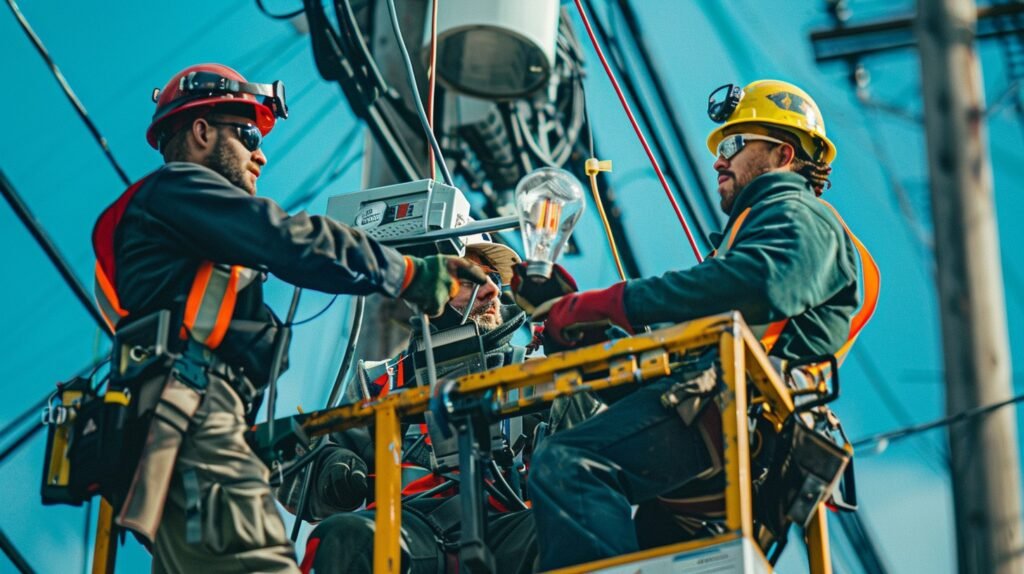
Becoming a lineman is a great career option for those who enjoy working with their hands, being outdoors, and solving technical problems. Here are some reasons why people choose this path:
- Job Security: Power is essential, and trained linemen are always in demand.
- High Earning Potential: Linemen earn above-average wages, especially with overtime.
- Hands-On Work: You won’t be stuck in an office all day.
- Travel Opportunities: Some linemen travel across states or countries for emergency repair work.
- No College Degree Required: You can start earning while training through apprenticeships.
Step-by-Step Guide to Becoming a Lineman

Step 1: Earn a High School Diploma or GED
A high school diploma or equivalent is the minimum educational requirement to become a lineman. Focus on subjects like math, physics, and electronics if available.
Helpful high school courses:
- Algebra and geometry
- Physics and basic electricity
- Shop or construction classes
- Physical education (to build strength and stamina)
Step 2: Attend a Pre-Apprenticeship Program or Line School
Many future linemen attend a lineworker training program at a technical school or community college. These programs provide hands-on experience in:
- Climbing poles
- Operating heavy equipment
- Understanding electrical theory
- Practicing safety procedures
Program duration: Typically 10 weeks to 1 year
Benefits:
- Boosts your chances of getting selected for an apprenticeship
- Gives you a strong foundation in the trade
- May include job placement support
Step 3: Apply for an Apprenticeship
After completing a lineworker program, the next step is to find an apprenticeship. Apprenticeships combine paid on-the-job training with classroom instruction.
Where to find apprenticeships:
- Utility companies
- Construction firms
- IBEW (International Brotherhood of Electrical Workers)
- NJATC (National Joint Apprenticeship and Training Committee)
Apprenticeship length: Usually 3 to 4 years
During your apprenticeship, you will:
- Learn to climb poles and work on live wires
- Gain experience under the supervision of skilled journeymen
- Attend classroom sessions on safety and technical skills
Step 4: Become a Journeyman Lineman
Once you complete your apprenticeship and pass any required exams, you’ll earn the title of Journeyman Lineman. This certification allows you to work independently and take on more responsibility.
Some states may require you to pass a licensing exam or meet continuing education requirements.
Step 5: Consider Specializations or Advanced Training
After gaining experience, you can pursue further training or specialize in areas such as:
- Transmission lines (long-distance high-voltage systems)
- Distribution systems (local electrical grids)
- Substation maintenance
- Underground cabling
- Supervisory roles
You might also get additional certifications in:
- CDL (Commercial Driver’s License)
- OSHA Safety Training
- First Aid and CPR
- Crane and bucket truck operation
Skills You Need to Become a Lineman

Lineman work requires more than just physical strength. Here’s a breakdown of the core skills and qualities:
Technical Skills:
- Electrical system knowledge
- Power tools and heavy equipment operation
- Blueprint and schematic reading
Soft Skills:
- Communication
- Teamwork
- Problem-solving
- Attention to detail
- Ability to stay calm under pressure
Physical Requirements:
- Excellent balance and coordination
- Strength to carry heavy equipment
- Ability to work at heights and in confined spaces
- Good eyesight and hearing
Job Outlook for Linemen
According to the U.S. Bureau of Labor Statistics (BLS), employment of line installers and repairers is expected to grow steadily. As cities expand and aging power infrastructure needs replacement, linemen will remain essential.
Job growth (2022–2032): ~3% (steady demand)
Opportunities are especially high in:
- Utility companies
- Telecommunications
- Renewable energy projects (e.g., wind and solar farms)
How Much Do Linemen Make?
Lineman salaries vary based on experience, location, and type of employer.
Average Salary (U.S. Data):
- Entry-level: $45,000–$60,000 per year
- Journeyman: $70,000–$90,000 per year
- With overtime/experience: Over $100,000 per year
Some linemen earn additional income during emergency storm work or natural disaster recovery efforts.
Pros and Cons of Becoming a Lineman

✅ Pros:
- High earning potential
- No college degree required
- Opportunity to travel
- Job stability and demand
- Tangible, hands-on work
❌ Cons:
- Physically demanding
- Risk of injury or electrocution
- Long hours, especially during emergencies
- Must work in all types of weather
Is Lineman Work Dangerous?
Yes, lineman work is considered one of the most dangerous occupations due to:
- High-voltage exposure
- Working at heights
- Adverse weather conditions
But the risk is manageable with:
- Proper training
- Safety gear
- Strict safety procedures
- Regular drills and certifications
Tips for Success in the Lineman Career

Becoming a lineman isn’t just about completing an apprenticeship or learning how to climb poles—it’s about consistently growing, staying safe, and performing at your best in a demanding field. Whether you’re just starting your journey or already in training, the following tips can help you build a long, successful, and rewarding career as a lineman.
1. Prioritize Safety Always
Safety is the most critical part of a lineman’s job. You’re often working with high-voltage lines, heavy equipment, and hazardous conditions. One mistake can be fatal not just for you, but for your team.
How to stay safe:
- Always wear appropriate PPE (Personal Protective Equipment)
- Follow OSHA and company safety guidelines strictly
- Double-check your tools, ropes, and harnesses before every job
- Attend regular safety meetings and training refreshers
- Never cut corners to save time
Linemen who make safety a habit not only avoid injuries but also earn the trust of supervisors and coworkers.
2. Stay in Top Physical Shape
Lineman work is extremely physical. You’ll be climbing poles, lifting equipment, bending, crouching, and standing for long hours—sometimes in harsh conditions.
Tips to stay physically ready:
- Exercise regularly, focusing on strength, flexibility, and endurance
- Eat a balanced diet and stay hydrated, especially on hot days
- Get enough sleep before long shifts
- Avoid bad habits that could slow you down or cause fatigue
The better shape you’re in, the more efficient, alert, and safe you’ll be on the job.
3. Master Your Tools and Equipment
Lineman work requires using a wide variety of specialized tools and equipment from hot sticks and voltage testers to bucket trucks and hydraulic presses.
To stand out:
- Learn the proper use, maintenance, and safety protocols for each tool
- Ask questions during training and hands-on sessions
- Stay up to date with new technologies and tools entering the field
- Treat your gear like an extension of your body always keep it clean, sharp, and in working order
4. Take Your Apprenticeship Seriously
Your apprenticeship is the foundation of your entire career. It’s where you learn everything from climbing techniques to electrical theory to storm response procedures.
Make the most of it by:
- Showing up early and being prepared every day
- Listening actively and taking notes
- Asking thoughtful questions
- Volunteering for tasks that help you grow
- Learning from journeymen and mentors
Apprentices who go above and beyond are often first in line for promotions and specialized training opportunities.
5. Be Willing to Work Hard and in Any Condition
Lineman work doesn’t stop for holidays, rain, or snow. Power outages and emergencies often happen during the worst weather. Employers value linemen who show up when needed, regardless of conditions.
To prepare:
- Keep a go-bag with essential gear, clothes, and food
- Build mental toughness and a strong work ethic
- Learn how to manage fatigue during long shifts
A “can-do” attitude will earn you respect from your crew and supervisors, especially when you’re out restoring power during natural disasters or storms.
6. Improve Your Communication Skills
Though the job is physically demanding, communication is just as important. You’ll need to clearly share information about hazards, tasks, or changes in plans especially during high-risk jobs.
Strong communicators:
- Speak up about unsafe conditions
- Listen carefully to instructions
- Use clear hand signals and radio communication
- Maintain professionalism with the public and coworkers
Being a great communicator also makes you a better team player and future leader.
7. Be Open to Learning and Adaptation
Technology in the electrical industry is always evolving. Renewable energy, smart grids, and fiber-optic communication are changing the game. Successful linemen stay curious and keep learning.
To stay ahead:
- Attend industry workshops, certifications, and advanced training
- Ask to work with experienced crews or specialized teams
- Learn about fiber optics, solar panels, and electric vehicle infrastructure
- Read trade journals or follow industry blogs
Staying updated can also help you shift into more advanced or better-paying roles down the road.
8. Get Certified and Licensed
Depending on your state or employer, you may need specific certifications or licenses to operate machinery, drive trucks, or work on high-voltage systems.
Common certifications include:
- OSHA 10/30 Safety Training
- CPR and First Aid
- CDL (Commercial Driver’s License)
- Crane and Rigging Certification
- Pole-top and bucket rescue training
Adding these credentials to your resume shows professionalism and increases your chances of being promoted or hired quickly.
9. Build a Solid Reputation
The lineman community is tight-knit. Word travels fast about who’s reliable, who’s lazy, and who’s dangerous. Your reputation can open (or close) doors.
To build a strong reputation:
- Be dependable show up on time and ready to work
- Take responsibility for mistakes and learn from them
- Show respect to everyone, from groundmen to supervisors
- Be the person others trust to get the job done right
A good reputation can lead to better assignments, faster promotions, and job security even when companies downsize.
10. Plan for the Long Term
The work is demanding, and injuries can happen over time. Think ahead and prepare for your future financially and physically.
Things to consider:
- Save money and invest wisely
- Get good health insurance and retirement plans
- Consider becoming a foreman, instructor, or safety officer later in your career
- Take care of your body—especially your knees, back, and shoulders
Planning ahead ensures you can enjoy the rewards of your hard work for years to come.
Final Thoughts
Succeeding as a lineman requires far more than technical ability it’s about attitude, safety, teamwork, and perseverance. The job may be tough, but the rewards are real: a strong income, respect, job security, and the satisfaction of powering entire communities.
If you’re serious about becoming a lineman, keep these tips in mind and take every opportunity to improve. Your success won’t just come from climbing poles it will come from how you prepare, how you learn, and how you lead.
Frequently Asked Questions

Do I need a college degree to become a lineman?
No. A high school diploma or GED is typically sufficient, though attending a technical line school helps your chances of landing an apprenticeship.
How long does it take to become a lineman?
It generally takes 3 to 5 years, depending on your training path and how long your apprenticeship lasts.
Can women become linemen?
Absolutely. While the field is male-dominated, women are increasingly entering and thriving in the trade.
Is there room for career growth?
Yes. Linemen can move into roles such as foreman, supervisor, or trainer. Some transition into electrical engineering or safety inspection.
Conclusion
Becoming a lineman is a rewarding path for individuals who enjoy physical work, value job stability, and are committed to safety. With no college degree required, you can start building your career right after high school by attending a training program and securing an apprenticeship. Over time, you’ll gain the skills and certifications needed to advance and earn a strong income.
If you’ve been wondering how to become a lineman, now you have a clear roadmap. This profession isn’t for everyone but for the right person, it’s a high-paying, in-demand, and fulfilling career.