

If you are curious about machines, engines, and how things work, you may have wondered how to become a mechanical engineer. Mechanical engineering is one of the oldest and broadest branches of engineering, playing a crucial role in shaping industries, technology, and daily life. From designing vehicles and renewable energy systems to creating medical devices and manufacturing processes, mechanical engineers are at the heart of innovation.
This guide will explain everything you need to know about becoming a mechanical engineer, including the role, skills required, education pathways, career opportunities, and challenges. Whether you are a high school student exploring future careers or an adult considering a career change, this article will provide a clear roadmap.
Table of Contents
What Does a Mechanical Engineer Do?

Mechanical engineers are problem-solvers who use principles of physics, mathematics, and material science to design, develop, test, and maintain mechanical systems. Their work is broad and versatile, making them essential across many industries. While the title may sound highly technical, their day-to-day activities can be broken down into several key responsibilities:
1. Designing Mechanical Systems
Mechanical engineers create the blueprints for machines, engines, tools, and systems. They use Computer-Aided Design (CAD) software to model their ideas and ensure that every part works together effectively. For example, they might design an energy-efficient car engine, a new medical device, or a factory machine that speeds up production.
2. Research and Development (R&D)
Before a new product reaches the market, it goes through a research phase. Mechanical engineers test new concepts, study materials, and explore ways to improve performance. For instance, an engineer may research stronger lightweight materials to make airplanes more fuel-efficient.
3. Analyzing and Testing
After designing a product, mechanical engineers test prototypes to make sure they work safely and efficiently. This can involve running simulations, building models, and performing stress tests to see how a design performs under different conditions. Safety and reliability are always top priorities.
4. Manufacturing and Production Support
Mechanical engineers often work closely with manufacturing teams to ensure that designs can be produced on a large scale. They look at factors such as cost, efficiency, and sustainability to improve production processes. This could involve redesigning a machine to reduce waste or making equipment easier to maintain.
5. Maintenance and Problem-Solving
Machines and systems require regular upkeep. Mechanical engineers troubleshoot issues, perform maintenance checks, and redesign parts when something isn’t working as intended. For example, in a power plant, engineers may improve turbines to reduce downtime and increase energy output.
6. Project Management
In addition to technical work, many mechanical engineers take on leadership roles. They manage projects, coordinate with teams from different disciplines, and ensure that projects meet deadlines and budgets. Strong organizational and communication skills are just as important as technical knowledge in this aspect of the job.
Industries Where Mechanical Engineers Work
Because mechanical engineering is so versatile, professionals in this field can be found in a wide variety of industries, including:
- Automotive – designing safer, more efficient vehicles.
- Aerospace – contributing to aircraft and spacecraft systems.
- Energy – working on renewable energy, power plants, and sustainable solutions.
- Manufacturing – improving production processes and factory equipment.
- Healthcare – developing medical devices and assistive technologies.
- Robotics and Automation – creating intelligent machines and automated systems.
Everyday Impact of Mechanical Engineers
It’s easy to overlook how often mechanical engineering touches our lives. From the car you drive and the air conditioning in your home, to the elevators in buildings and the medical equipment in hospitals mechanical engineers help make these systems possible. Their work ensures safety, efficiency, and innovation in the technology we rely on every day.
Summary
In short, mechanical engineers do far more than just “fix machines.” They design, test, and improve the systems that power our modern world. Their roles combine creativity, problem-solving, and technical expertise, making mechanical engineering one of the most versatile and impactful professions today.
Why Choose Mechanical Engineering?
Before diving into the process of becoming a mechanical engineer, it’s important to know why this career is worth pursuing:
- High demand: Mechanical engineers are needed across industries worldwide.
- Diverse opportunities: The skills are transferable, opening doors in energy, healthcare, aerospace, and beyond.
- Innovation-driven: You’ll work on cutting-edge projects that shape the future.
- Good earning potential: Engineering roles typically offer competitive salaries.
- Personal satisfaction: Solving real-world problems can be very rewarding.
Step-by-Step Guide on How to Become a Mechanical Engineer

Becoming a mechanical engineer requires planning, dedication, and continuous learning. Below is a structured path to help you get started.
1. Develop an Interest in Science and Mathematics
Mechanical engineering is built on strong foundations in mathematics and physics. In high school, focus on subjects such as:
- Mathematics (algebra, calculus, geometry, trigonometry)
- Physics (mechanics, energy, thermodynamics)
- Computer studies (basic programming and CAD tools)
A strong academic background in these subjects will prepare you for university-level engineering studies.
2. Obtain the Required Educational Qualifications
Most employers require at least a Bachelor’s degree in Mechanical Engineering or a closely related field. Here’s how the educational journey typically looks:
- Diploma or Foundation Program (Optional): For those who don’t meet direct university entry requirements.
- Bachelor’s Degree (4 years): Covers core areas such as fluid mechanics, dynamics, materials science, thermodynamics, and design. Students also gain hands-on experience through lab work and projects.
- Internships: Many universities encourage or require internships with engineering firms to provide real-world exposure.
- Postgraduate Studies (Optional): A Master’s or PhD can open doors to research, teaching, or specialized engineering roles.
3. Gain Practical Experience
Mechanical engineering is not just about theory it requires hands-on practice. Ways to gain experience include:
- Internships and Industrial Training – Work alongside professionals in the field.
- Engineering Projects – Participate in design competitions, robotics clubs, or university research projects.
- Entry-Level Jobs – Positions such as junior engineers or technicians provide valuable exposure.
Employers value candidates who can demonstrate both technical knowledge and problem-solving skills gained through practical experience.
4. Develop Key Skills
Besides academic knowledge, mechanical engineers need a range of skills:
- Problem-Solving – The ability to analyze problems and find effective solutions.
- Creativity and Innovation – Designing new systems and improving existing ones.
- Analytical Skills – Using data, simulations, and models to test designs.
- Computer Skills – Familiarity with CAD (Computer-Aided Design), MATLAB, and simulation software.
- Communication – Explaining technical information clearly to colleagues, clients, and non-engineers.
- Teamwork – Collaborating with multidisciplinary teams on complex projects.
5. Obtain Professional Certification or Licensing
In many countries, engineers must register with a professional body to practice fully. For example:
- South Africa – Engineers register with the Engineering Council of South Africa (ECSA).
- United States – Engineers pursue Professional Engineer (PE) licensing after passing exams and gaining work experience.
- United Kingdom – Engineers can become Chartered Engineers (CEng) through the Engineering Council.
Certification not only adds credibility but also opens opportunities for senior roles.
6. Stay Updated with Technology and Industry Trends
Mechanical engineering is constantly evolving with technology. Engineers must stay current with:
- Renewable energy systems
- Robotics and automation
- 3D printing and additive manufacturing
- Artificial intelligence in engineering design
- Sustainable engineering practices
Lifelong learning through workshops, online courses, and professional development ensures you remain competitive.
Career Opportunities for Mechanical Engineers
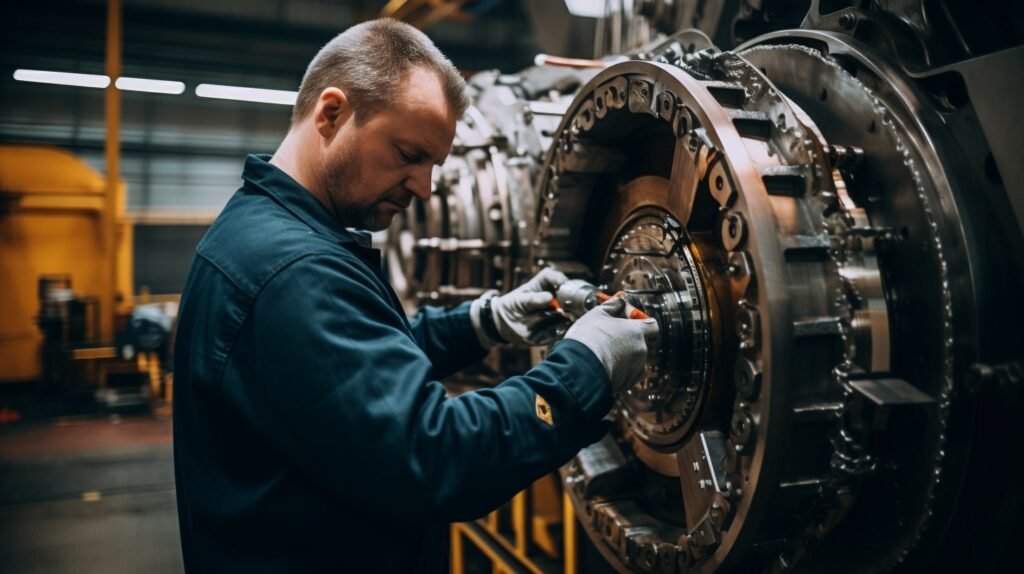
Mechanical engineering is one of the broadest and most versatile fields in the engineering profession. Because mechanical engineers are trained in problem-solving, design, and system analysis, their skills can be applied in almost every industry. This flexibility opens up many exciting career opportunities, both locally and internationally.
1. Automotive Engineering
Mechanical engineers play a major role in the design and development of vehicles. They work on engines, safety systems, fuel efficiency, and emerging technologies such as electric and self-driving cars. Careers in this sector may include roles such as design engineer, test engineer, or vehicle systems specialist.
2. Aerospace Engineering
In the aerospace sector, mechanical engineers help design aircraft, satellites, and spacecraft. Their focus is on performance, safety, and fuel efficiency. They may work on propulsion systems, aerodynamics, or materials that can withstand extreme conditions. Jobs in this area can include aerospace engineer, propulsion engineer, or structural analyst.
3. Energy and Power Generation
Mechanical engineers are key players in the energy industry, including traditional power plants and renewable energy projects. They design turbines, solar panels, and wind energy systems while also working on ways to improve energy efficiency. Careers in this field can include energy engineer, thermal systems engineer, or renewable energy specialist.
4. Manufacturing and Industrial Engineering
Manufacturing relies heavily on mechanical engineers to design machines, improve efficiency, and streamline production. They may focus on robotics, automation, or sustainable production practices. Common roles in this industry include manufacturing engineer, process engineer, and maintenance engineer.
5. Robotics and Automation
As industries move toward automation, the demand for mechanical engineers in robotics is growing. They design robotic systems for applications in healthcare, agriculture, and manufacturing. Potential job titles include robotics engineer, automation engineer, or mechatronics specialist.
6. Biomedical and Healthcare Engineering
Mechanical engineers also contribute to healthcare by designing medical devices such as prosthetics, surgical tools, and diagnostic equipment. They work alongside doctors and scientists to improve patient care. Careers here may include biomedical engineer, product development engineer, or research engineer.
7. Research and Development (R&D)
Mechanical engineers who enjoy innovation may choose careers in R&D. This involves creating new technologies, experimenting with advanced materials, and developing prototypes for future products. Roles include research engineer, innovation engineer, and product design engineer.
8. Consulting and Project Management
With experience, many mechanical engineers move into consulting or project management roles. They advise companies on technical solutions, oversee large-scale projects, and ensure compliance with safety and quality standards. Common positions include project manager, technical consultant, or engineering manager.
9. Academic and Teaching Careers
Mechanical engineers with advanced qualifications can enter academia. They may teach university students, conduct research, or publish academic papers. This path is ideal for those passionate about knowledge-sharing and innovation.
Career Growth and Advancement
Mechanical engineers typically start in junior or entry-level positions and advance as they gain experience and professional registration. Career progression may include:
- Junior Engineer → Engineer → Senior Engineer → Project Manager → Engineering Director
- Opportunities to specialize in niche areas such as renewable energy, nanotechnology, or artificial intelligence.
- Chances to work internationally, as mechanical engineering skills are globally recognized.
The Future of Mechanical Engineering Careers
As technology advances, new opportunities continue to emerge for mechanical engineers:
- Green technologies: Engineers will be central to sustainable development and energy efficiency.
- Smart manufacturing: The rise of Industry 4.0 and automation will increase demand for robotics specialists.
- Healthcare innovations: Aging populations and medical advancements will expand opportunities in biomedical engineering.
Summary
The career opportunities for mechanical engineers are vast and diverse. From designing cars and airplanes to advancing renewable energy and medical technology, mechanical engineers can choose from multiple industries and career paths. With the right education, skills, and professional development, a career in mechanical engineering offers not only financial stability but also the chance to make a lasting impact on society.
Challenges of Becoming a Mechanical Engineer
While mechanical engineering is rewarding, it comes with challenges:
- Intense academic workload: Engineering studies require discipline and time management.
- Continuous learning: The field evolves rapidly, demanding constant skill upgrades.
- Competitive job market: Standing out requires strong qualifications and practical experience.
- Work pressure: Deadlines, project demands, and technical problems can be stressful.
Understanding these challenges helps you prepare mentally and professionally.
Tips for Aspiring Mechanical Engineers

Becoming a successful mechanical engineer takes more than just earning a degree. It requires consistent effort, skill development, and a mindset geared toward problem-solving and innovation. If you are just starting your journey, the following tips can help you prepare for and thrive in this career path.
1. Build a Strong Foundation in Math and Science
Mechanical engineering is based on principles of physics and mathematics. Focus on strengthening your skills in algebra, calculus, geometry, and mechanics. A solid understanding of these subjects will make university-level coursework much easier.
2. Learn to Use Engineering Software Early
Familiarity with engineering tools and software is a huge advantage. Programs such as AutoCAD, SolidWorks, MATLAB, and ANSYS are commonly used in the profession. By learning these tools early, you’ll gain practical skills that set you apart from other students and job applicants.
3. Gain Hands-On Experience
Theory is important, but practical experience brings learning to life. Participate in school projects, robotics clubs, or engineering competitions. Whenever possible, take part in internships or part-time technical jobs to get a real-world feel of engineering work.
4. Stay Curious and Keep Innovating
Mechanical engineering thrives on creativity. Ask questions, explore how machines work, and try to improve or redesign everyday items. Curiosity will fuel innovation and help you think outside the box when solving engineering problems.
5. Develop Problem-Solving and Analytical Thinking
Engineers are problem-solvers. Practice breaking down complex challenges into smaller, manageable parts. Learn how to analyze data, test different solutions, and evaluate outcomes critically. These habits will strengthen your engineering mindset.
6. Improve Your Communication Skills
Mechanical engineers often work in teams and present ideas to people from different backgrounds. Being able to explain complex technical concepts in simple terms is just as important as technical knowledge. Good communication makes you a more effective collaborator and leader.
7. Network with Professionals
Join professional engineering associations, attend seminars, and connect with industry experts. Networking opens doors to mentorship, internships, and job opportunities. It also helps you stay updated with industry trends.
8. Embrace Continuous Learning
The engineering field evolves quickly with new technologies and materials. Stay ahead by taking online courses, reading industry publications, and attending workshops. Lifelong learning is key to remaining competitive in the job market.
9. Seek Guidance and Mentorship
Having a mentor whether a teacher, lecturer, or experienced engineer—can provide valuable insights. Mentors can guide you through academic challenges, help with career decisions, and share practical advice based on their own experiences.
10. Maintain Perseverance and Patience
Mechanical engineering can be demanding, both academically and professionally. There may be times when projects fail or studies feel overwhelming. Staying determined, learning from setbacks, and being patient with yourself are essential qualities for long-term success.
Summary
Aspiring mechanical engineers can greatly improve their chances of success by combining strong academic preparation with practical experience, creativity, and professional networking. By developing both technical and soft skills, staying curious, and embracing continuous learning, you can build a rewarding career in one of the most impactful fields of engineering.
Conclusion
Learning how to become a mechanical engineer is the first step toward an exciting and impactful career. The journey involves building a solid foundation in mathematics and science, pursuing a degree in mechanical engineering, gaining hands-on experience, and continuously developing professional skills. With diverse career opportunities in industries ranging from automotive to renewable energy, mechanical engineers play a key role in shaping the world.
If you are passionate about solving problems, designing systems, and improving technology, mechanical engineering might be the perfect path for you. Start preparing today, and take the first step toward building a future as a skilled and innovative mechanical engineer.