
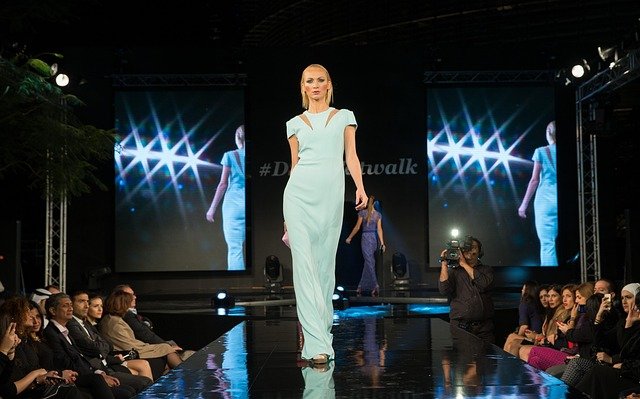
How to become a model is a question many people ask when they dream of entering the world of fashion, advertising, or photography but don’t know where to start. The modeling industry may look glamorous from the outside, yet behind the runway lights and magazine covers is a structured career path that requires preparation, patience, and persistence. Whether you want to pursue high-fashion modeling, commercial campaigns, or lifestyle projects, the journey begins with understanding the basics, building confidence, and learning how to present yourself to agencies and clients.
This guide is designed for beginners who are curious about modeling but may feel overwhelmed by the process. Step by step, we’ll cover what modeling really is, the essential qualities you need, how to create a portfolio, ways to connect with agencies, and practical tips to avoid common mistakes. By the end, you’ll have a clear roadmap to start your modeling journey with confidence.
Table of Contents
1. Understanding the Modeling Industry: How to Become a Model
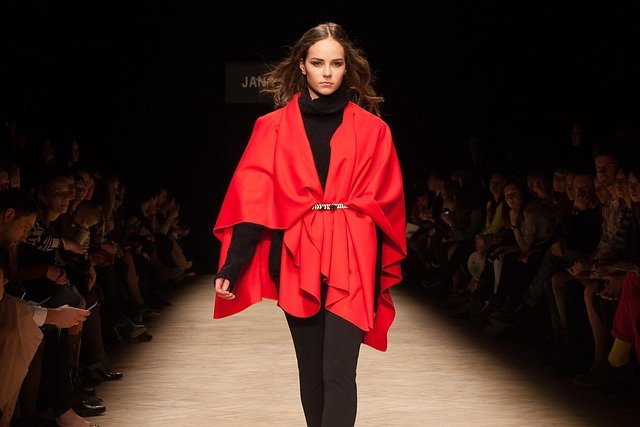
If you’re new to modeling, the first step is to understand the industry and how it works. Many beginners imagine modeling only as walking on glamorous runways in designer clothes, but the industry is much broader than that. It’s a professional field that connects brands, photographers, agencies, and models to bring creative visions to life.
The Purpose of Modeling
At its core, modeling is about representation. Models help present clothing, beauty products, services, or lifestyle concepts in ways that attract people’s attention. Whether it’s an advertisement on social media, a fashion magazine cover, or a local store catalog, models serve as the link between brands and consumers.
The Role of Modeling Agencies
Most professional opportunities come through agencies. Agencies act as middlemen, matching models with clients such as fashion houses, advertising companies, or product brands. Agencies usually:
- Review new talent through applications or open calls.
- Help build and manage a model’s career.
- Negotiate contracts and protect the model’s interests.
- Connect models with photographers, stylists, and casting directors.
Knowing the role of agencies is important because they’re often the gateway to bigger opportunities.
Types of Modeling Explained
The modeling industry is diverse, and almost anyone can find a place depending on their look, personality, and skills. Here are the main types of modeling:
- Fashion/Runway Modeling
- Seen at high-profile fashion shows like New York or Paris Fashion Week.
- Typically requires height and measurement standards.
- Focused on representing designer collections in front of buyers, media, and stylists.
- Commercial Modeling
- One of the most accessible categories.
- Includes advertising for everyday products, from shampoo and clothing to food brands.
- Open to a wider variety of ages, body types, and appearances.
- Print Modeling
- Appears in magazines, catalogs, posters, and billboards.
- Prioritizes clear expressions and camera presence.
- Fitness Modeling
- Promotes sportswear, supplements, gyms, and wellness brands.
- Requires a healthy and athletic lifestyle.
- Plus-Size Modeling
- Represents body diversity and inclusivity.
- This category has grown significantly as more brands move toward realistic representation.
- Parts Modeling
- Focuses on specific features like hands, feet, hair, or even eyes.
- Commonly used for product ads such as jewelry, nail polish, or shoes.
- Lifestyle Modeling
- Represents everyday people in relatable scenarios, such as families in commercials or people enjoying travel ads.
- Great for those who want to enter modeling without strict appearance requirements.
Global and Local Opportunities
The modeling industry isn’t limited to global fashion capitals like Paris, Milan, or New York. Many smaller cities also have thriving markets. For example, commercial and print modeling opportunities exist almost everywhere because local businesses need advertising too. This means you can start building experience close to home before exploring bigger markets.
The Business Side of Modeling
Like any profession, modeling is also a business. Here’s what you need to know:
- Clients pay models to represent their brand or campaign.
- Agencies take a commission (usually 10–20%) for connecting models with work.
- Contracts and rights matter it’s important to read agreements carefully to know how your images will be used.
Understanding this business side helps new models avoid unrealistic expectations and focus on building a sustainable career.
Why This Knowledge Matters
Many beginners rush into modeling without knowing what to expect. By learning how the industry works, you can:
- Identify which type of modeling best fits your skills.
- Approach agencies with confidence.
- Recognize legitimate opportunities and avoid scams.
- Plan your career path strategically rather than relying on luck.
2. Do You Need to Look a Certain Way?
A common myth is that only tall, super-thin people can become models. While fashion runway modeling does have strict requirements, the modern industry is much more inclusive.
- Height and weight: High-fashion models are often 5’9” and taller, but commercial and print modeling have no strict requirements.
- Age: You can start young (teen modeling), but there are also opportunities for children, adults, and seniors.
- Body type: Brands are now celebrating diversity with plus-size and petite models.
- Looks: Agencies are often drawn to unique features, personality, and confidence rather than “perfect” beauty.
The key takeaway: There’s a place for you, no matter your age, size, or background.
3. Essential Qualities of a Successful Model

Modeling is often seen as glamorous, but behind the camera and runway, success comes from more than just appearance. Agencies, photographers, and brands look for individuals who bring professionalism, personality, and reliability to every project. If you want to stand out, here are the essential qualities every successful model should develop.
Confidence and Presence
Confidence is one of the most important traits for a model. When you step onto a runway or in front of a camera, your body language and expressions tell a story. Even if you’re nervous, you need to project self-assurance.
- Why it matters: Clients want models who look comfortable in their own skin because that comfort translates into better photos and performances.
- How to build it: Practice posing in front of a mirror, record yourself walking, or take part in smaller photoshoots to gain experience.
Professionalism
The modeling world runs on tight deadlines and schedules. Being professional is what makes clients want to work with you again.
- Show up on time.
- Follow instructions carefully.
- Treat everyone from photographers to makeup artists with respect.
- Keep communication clear and polite.
Professional behavior builds trust and long-term opportunities.
Adaptability and Versatility
Every modeling job is different. One day you may be posing for a sporty brand, and the next day you may be part of a high-fashion editorial shoot.
- Adaptability: The ability to quickly adjust your poses, expressions, and energy to match the project.
- Versatility: Showing a wide range of looks from casual and cheerful to elegant and serious.
The more versatile you are, the more opportunities you’ll attract.
Patience and Persistence
Rejection is a natural part of the modeling journey. Not every casting call will end in success, and sometimes you’ll wait hours before your turn.
- Patience: Staying calm and composed even during long casting days.
- Persistence: Continuing to apply, improve, and show up even when you don’t get selected.
Many successful models faced rejection countless times before landing their big break.
Strong Work Ethic
Behind the scenes, modeling requires hard work. From early call times to long photoshoots, you need stamina and dedication.
- Stay organized with your schedule.
- Keep your portfolio updated.
- Put in consistent effort to practice your walk, poses, and expressions.
A strong work ethic separates professionals from amateurs.
Healthy Lifestyle
Your body is part of your career toolset, so maintaining a healthy lifestyle is key not just for looks, but for energy and well-being.
- Eat balanced meals and stay hydrated.
- Exercise regularly to maintain strength and posture.
- Get enough rest to keep your skin and energy fresh.
This isn’t about fitting into a single “ideal” body type it’s about being the healthiest version of yourself to perform at your best.
Communication Skills
Good communication makes you easier to work with. Whether it’s following a photographer’s direction or understanding what a client needs, effective listening and responding make shoots smoother.
Sometimes, a model’s ability to ask questions or clarify instructions saves time and leads to better results.
Positive Attitude
Fashion sets, photoshoots, and shows can be stressful environments. Bringing a positive and cooperative attitude makes you memorable in a good way.
- Smile and be approachable.
- Support team members when things get hectic.
- Stay composed under pressure.
Clients and agencies prefer to work with people who uplift the environment.
Business Mindset
Modeling is not just an art it’s also a business. Successful models treat their careers like entrepreneurs.
- Keep track of jobs, payments, and contracts.
- Learn basic personal branding to promote yourself online.
- Build relationships with professionals in the industry.
By thinking like a businessperson, you take control of your career instead of waiting for opportunities to come.
Why These Qualities Matter
Agencies and clients look beyond appearances when hiring. They want reliable, confident, and versatile people who can represent their brand with professionalism. Developing these qualities doesn’t just help you book jobs it helps you build a long-lasting career in an industry that values both talent and character.
4. Steps to Become a Model

If you’re wondering where to start, the good news is that becoming a model doesn’t happen overnight, but it does follow a series of practical steps. Whether you’re aiming for high fashion, commercial, or lifestyle modeling, these steps will guide you from being a complete beginner to taking your first professional opportunities.
Step 1: Understand the Industry
Before you dive in, take time to learn how the modeling industry works. Familiarize yourself with the different types of modeling fashion, commercial, fitness, plus-size, print, and more. Each category has different requirements, and knowing where you fit will help you set realistic goals.
👉 Tip: Follow models on social media, watch interviews, and read about agencies to get a sense of how the industry operates.
Step 2: Build Self-Confidence
Confidence is the foundation of modeling. Even if you don’t feel 100% ready, start practicing now.
- Pose in front of a mirror to see how your body looks from different angles.
- Record yourself walking as if you were on a runway.
- Experiment with facial expressions smiling, serious, playful.
The more comfortable you are in your own skin, the easier it will be to shine in front of a camera or audience.
Step 3: Take Care of Your Appearance and Health
Every model, regardless of size or category, needs to look fresh and energetic. This doesn’t mean aiming for one “ideal” body type it means presenting the healthiest version of yourself.
- Maintain good skincare and hair care routines.
- Eat balanced meals and drink plenty of water.
- Exercise regularly to build posture and stamina.
- Get enough sleep to keep your energy high.
Step 4: Create a Simple Portfolio
Your portfolio is like your modeling résumé it shows agencies and clients what you look like in front of the camera. For beginners, you don’t need expensive photoshoots right away.
- Start with clear, natural photos: a headshot, a profile shot, and a full-body photo.
- Wear simple clothes like jeans and a plain t-shirt.
- Use natural light and avoid heavy makeup or filters.
As you gain experience, you can invest in professional photography and build a stronger portfolio.
Step 5: Approach Modeling Agencies
Agencies are often the gateway to professional work.
- Research legitimate agencies in your area.
- Submit your photos online or attend “open call” auditions.
- Read reviews and avoid agencies that demand high upfront fees.
Remember: a trustworthy agency makes money by earning a commission when you book jobs not by charging you large sign-up payments.
Step 6: Gain Experience Through Small Jobs
Don’t wait for your “big break” right away. Many models start small to build their portfolio and confidence.
- Volunteer for student photoshoots or fashion school projects.
- Collaborate with local photographers.
- Take part in local fashion shows or promotional events.
These opportunities may not pay much at first, but they give you valuable experience and photos to add to your portfolio.
Step 7: Practice Posing and Walking
Modeling is an art that takes practice. Learn how to adapt to different jobs.
- Practice runway walks at home using a mirror or recording yourself.
- Learn basic posing techniques relaxed, strong, elegant, playful.
- Study magazines and campaigns to understand what styles are trending.
The goal is to be versatile so you can match the mood of each project.
Step 8: Network and Build Connections
Like many industries, modeling thrives on connections. The more people you know, the more opportunities you’ll find.
- Attend industry events and casting calls.
- Be friendly and professional on set.
- Connect with photographers, stylists, and makeup artists.
Sometimes, a recommendation from someone you’ve worked with can open doors to bigger jobs.
Step 9: Develop a Professional Online Presence
In today’s world, social media plays a big role in a model’s career. Many agencies and brands scout talent directly from platforms like Instagram or TikTok.
- Keep your profiles professional and free of inappropriate content.
- Share a mix of portfolio shots and behind-the-scenes posts.
- Use your online presence to show personality, not just looks.
Step 10: Stay Persistent and Keep Improving
Modeling involves rejection it’s a normal part of the process. Don’t take it personally if an agency or client doesn’t select you. Instead, use it as motivation to keep improving.
- Update your portfolio regularly.
- Take workshops or classes to sharpen your skills.
- Keep applying for castings and opportunities.
Persistence often separates those who give up from those who build lasting careers.
Why Following These Steps Works
Becoming a model isn’t just about luck it’s about preparation and consistency. By following these steps, you’ll build the skills, confidence, and connections needed to move from a beginner to a professional. Even if you start small, each step forward brings you closer to reaching your goals.
5. Avoiding Modeling Scams
Because modeling is a dream career for many, it attracts scams. Be cautious of:
- Agencies demanding high upfront payments.
- Promises of “instant fame.”
- People asking for inappropriate photos.
- Offers that sound “too good to be true.”
A legitimate agency makes money by taking a percentage of your bookings not by charging high sign-up fees. Always research before signing contracts.
6. How Much Do Models Earn?
Earnings vary depending on experience, type of modeling, and location.
- Beginners: May earn small amounts for local gigs or even work for free (building experience)
- Runway models: Earnings depend on the brand and event sometimes more prestige than money at first.
- Top models: Can earn thousands or millions through brand deals and endorsements.
Remember: success doesn’t happen overnight. Building a career takes time, patience, and networking.
7. Tips for Long-Term Success
- Network Constantly – Attend events, connect with photographers, and build professional relationships.
- Stay Professional – Treat every job, big or small, with seriousness.
- Keep Your Portfolio Updated – Replace old photos with new work.
- Use Social Media – Instagram and TikTok can help showcase your look and personality to potential agencies.
- Stay Resilient – Rejection is part of the process. Don’t take it personally.
8. Commonly Asked Questions About Becoming a Model

Q: Do I need professional training to become a model?
A: No, but workshops or classes can help you gain confidence and skills.
Q: Can I start modeling if I’m not tall or slim?
A: Absolutely. Commercial, print, fitness, and plus-size modeling welcome different body types.
Q: How do I know if an agency is legitimate?
A: Research online reviews, check if they represent real working models, and never pay huge fees upfront.
Q: Can I be a model part-time?
A: Yes. Many models start part-time while studying or working another job.
Q: What age is too late to start modeling?
A: None. Opportunities exist for all age groups including senior models.
9. Final Thoughts: Your First Steps
Learning how to become a model may feel overwhelming at first, but remember every professional model once started where you are now. You don’t need to fit a “perfect” standard. What matters most is your confidence, persistence, and ability to grow.
Start small: practice your poses, take some photos, and research local agencies. From there, build experience, improve your skills, and stay professional. With patience and effort, you can create a rewarding modeling career.