
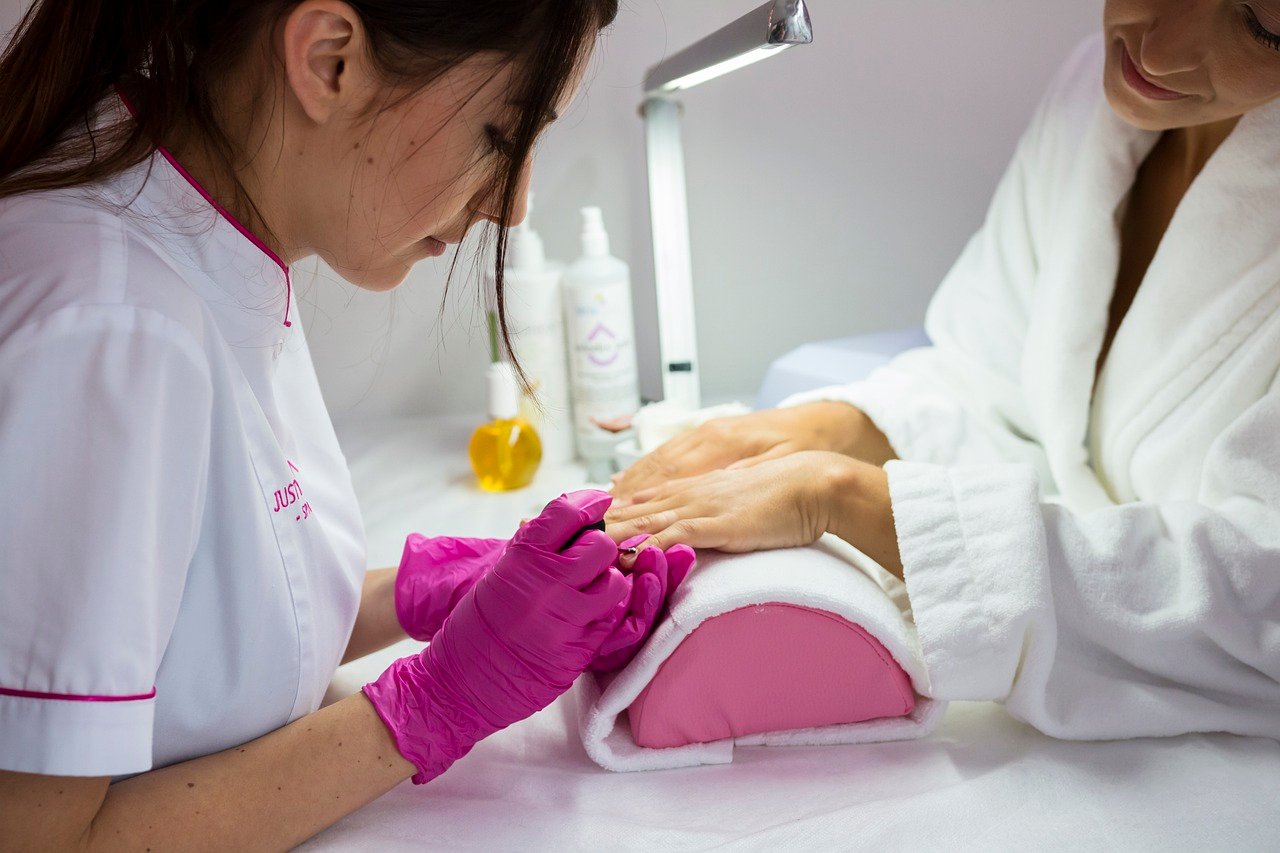
If you’ve ever admired a perfect manicure or loved experimenting with nail designs, you might have wondered how to become a nail technician. This exciting career blends creativity with skill and offers a chance to help people look and feel their best. Whether you dream of working in a salon, owning your own nail business, or offering freelance services, becoming a professional nail technician is a rewarding path with great potential.
In this guide, we’ll walk you through everything you need to know from education and certification to building your portfolio and launching your career.
Table of Contents
What Does a Nail Technician Do?

A nail technician is a trained professional who focuses on the care, beauty, and health of nails. Their main goal is to help clients maintain clean, healthy, and stylish nails through different treatments and techniques. The role combines creativity, precision, and customer service making it ideal for people who enjoy both artistry and working with others.
Core Responsibilities
Nail technicians perform a variety of services, including:
- Manicures and Pedicures: Cleaning, shaping, and polishing fingernails and toenails to enhance their appearance and health.
- Nail Enhancements: Applying acrylics, gels, or other nail extensions for clients who want longer or more durable nails.
- Nail Art and Design: Creating decorative styles using polish, stickers, rhinestones, or hand-painted designs to suit client preferences or trends.
- Cuticle and Skin Care: Treating and moisturizing the skin around the nails to maintain overall nail health.
- Hygiene and Sanitation: Ensuring all tools and work areas are properly cleaned and disinfected to protect client safety.
Beyond the Basics
A professional nail technician doesn’t just apply polish they also educate clients on how to take care of their nails between appointments. This may include recommending products for brittle nails, explaining proper hygiene, or advising on safe nail habits.
Work Environment
Nail technicians can work in a variety of settings, such as:
- Beauty or nail salons
- Day spas and wellness centers
- Hotels or resorts
- Mobile or home-based services
Some even become freelance nail artists or salon owners, offering personalized services to private clients.
Essential Skills
To succeed in this role, a nail technician should have:
- Creativity for designing and styling nails
- Attention to detail for precise, clean work
- Good communication skills to understand client preferences
- Time management to handle multiple appointments efficiently
In short, a nail technician is not only a beauty specialist but also an artist and a professional who helps people feel confident and well-groomed.
Step 1: Learn About the Profession
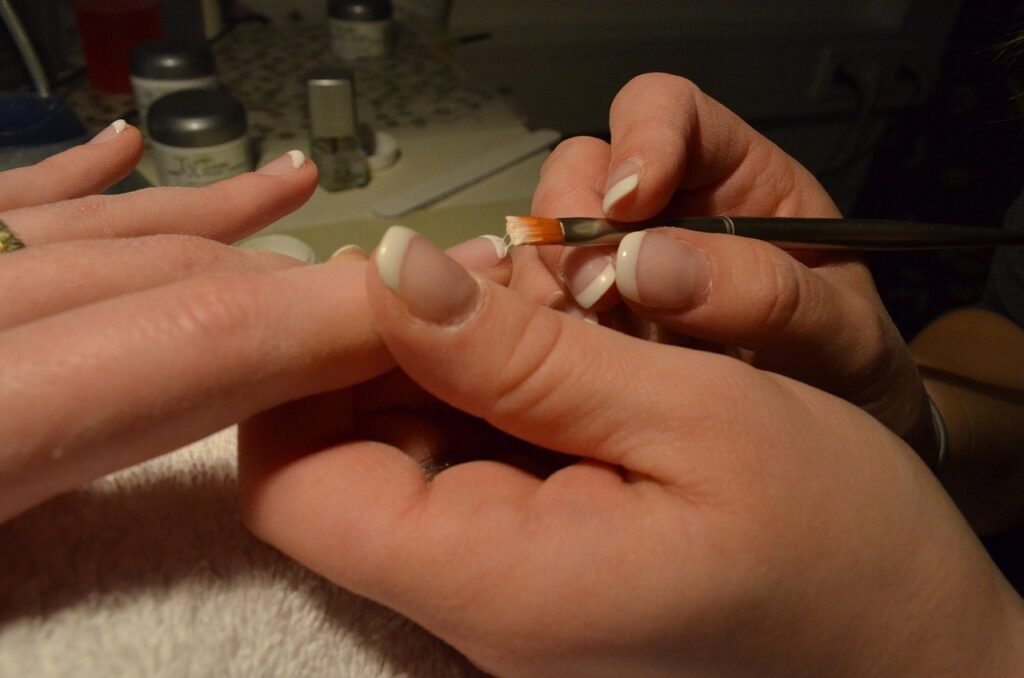
Before you begin your journey to becoming a nail technician, it’s important to understand what the profession truly involves. Many people are attracted to the beauty and creativity of nail design, but being a nail technician is much more than just painting nails. It’s about providing professional care, maintaining hygiene standards, and helping clients feel confident and comfortable.
Understanding the Role
Nail technicians work closely with clients, offering services such as manicures, pedicures, and nail enhancements. They also give advice on nail care and recommend products for healthy nails and cuticles. The work can be creative and enjoyable, but it also requires patience, precision, and great attention to detail.
What to Expect
In this profession, you’ll spend a lot of time:
- Working with your hands
- Interacting with different clients
- Keeping up with new trends and techniques
- Maintaining a clean and safe workspace
You may also need to work flexible hours, especially if you’re employed in a salon or running your own business.
Why This Step Matters
Learning about the profession beforehand helps you decide if this career suits your personality and goals. It’s a great idea to visit local salons, talk to professional nail technicians, or watch educational videos online to get a realistic view of the day-to-day work. The more you know before starting, the easier it will be to choose the right training program and career path later on.
Step 2: Meet the Basic Requirements
Before you can begin formal training as a nail technician, you’ll need to make sure you meet a few basic entry requirements. These requirements ensure that you’re ready for both the educational and practical aspects of the job.
Common Requirements
While specific rules can vary depending on your country or region, most training programs and licensing boards expect you to:
- Be at least 16 to 18 years old: Many beauty schools require a minimum age for enrollment.
- Have a high school diploma or equivalent: This shows that you have basic reading, writing, and communication skills needed to understand professional guidelines.
- Be in good health: Since you’ll work with clients’ hands and feet, having good eyesight and steady hands is important for performing precise tasks safely.
Personal Qualities That Help
Beyond formal requirements, certain personal traits can make a big difference in your success as a nail technician:
- Creativity and attention to detail for designing and shaping nails.
- Good communication skills to understand what clients want.
- Patience and professionalism when working with different personalities.
- Commitment to hygiene and safety standards at all times.
Why This Step Matters
Meeting the basic requirements ensures that you’re ready to enter a professional environment where both skill and responsibility matter. It’s the foundation that allows you to move confidently into the next stage enrolling in a certified nail technician program.
Step 3: Enroll in a Nail Technician Program
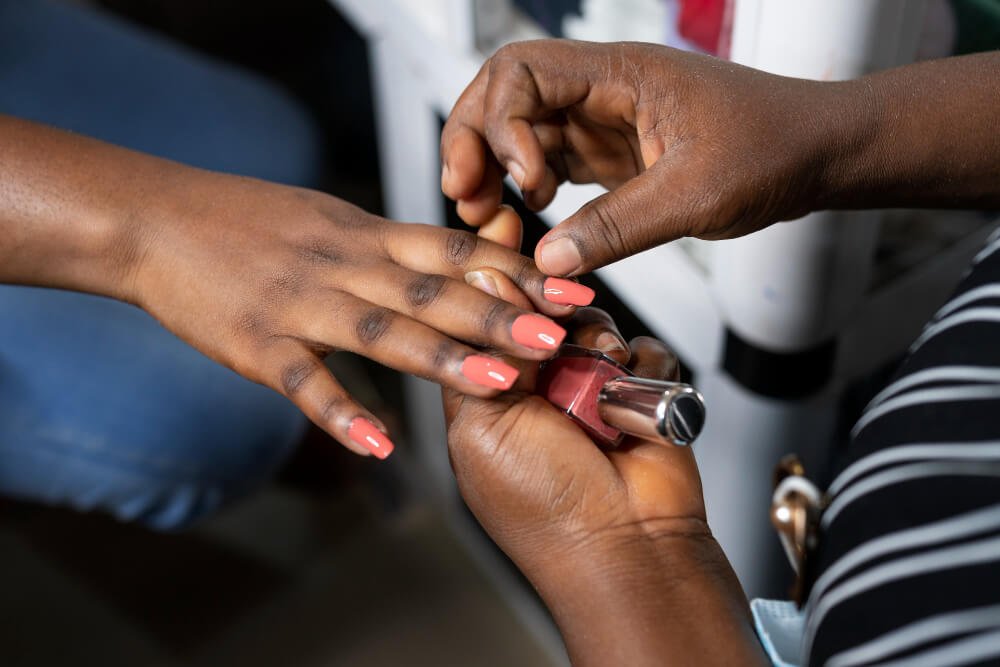
To become a professional nail technician, you’ll need formal training from a licensed cosmetology or nail school. These programs typically last 3 to 9 months, depending on your schedule and location.
What You’ll Learn:
- Nail anatomy and health
- Sanitation and safety practices
- Manicure and pedicure techniques
- Nail art and design
- Customer service and salon management
During training, you’ll get both classroom instruction and hands-on experience, allowing you to practice your skills on real clients under supervision.
Pro Tip:
Choose a school that’s state-approved or nationally accredited to ensure your education meets licensing standards.
Step 4: Get Licensed or Certified
After completing your training, you’ll need to pass a licensing exam before you can work legally as a nail technician. The exam usually includes:
- A written test on sanitation and theory
- A practical exam demonstrating your skills
Once you pass, you’ll receive your nail technician license, which allows you to work in salons, spas, or independently.
Remember to renew your license as required by your local authorities usually every 1–2 years and stay updated with continuing education.
Step 5: Gain Experience and Build a Portfolio

Once you’ve completed your training and received your license, the next step is to gain hands-on experience and start building your professional portfolio. This stage is where your classroom skills turn into real-world expertise.
Getting Practical Experience
Experience is key in the beauty industry. You can begin by working as an assistant or junior nail technician in a salon or spa. This will help you learn from experienced professionals, understand client expectations, and build confidence in your skills. You may also consider volunteering your services at community events or offering discounted sessions to friends and family while you improve your techniques.
Each client interaction helps you become faster, more precise, and more comfortable with different nail types and designs.
Building a Strong Portfolio
A portfolio is your personal showcase it highlights your creativity, professionalism, and growth. Start by taking high-quality photos of your best nail designs, manicures, and enhancements. Keep your portfolio organized by style or service type, such as classic manicures, gel nails, or nail art.
You can create both a digital portfolio (for social media or a personal website) and a printed version for job interviews or salon applications.
Why This Step Matters
A well-built portfolio can help you stand out when applying for jobs or attracting new clients. It shows your range of abilities and helps potential employers or customers see the quality of your work before they book an appointment. The more experience you gain, the stronger your reputation becomes opening doors to bigger opportunities in your nail career.
Step 6: Develop Customer Service and Business Skills
A successful nail technician isn’t just skilled with nails they’re also great with people. Excellent customer service can help you build a loyal client base.
Focus on:
- Listening to client preferences
- Providing personalized advice
- Maintaining a positive attitude
- Managing time efficiently
If you plan to run your own nail business, learn basic business management skills such as:
- Scheduling appointments
- Marketing on social media
- Budgeting and pricing your services
- Ordering and managing supplies
Step 7: Keep Up with Trends and New Techniques
The beauty industry is always changing, and as a nail technician, staying updated with new trends and modern techniques is essential for long-term success. Clients often look for professionals who can offer the latest styles, creative designs, and innovative products. By keeping your skills fresh, you not only improve your work but also keep your business competitive.
Stay Informed and Inspired
Make it a habit to follow nail art influencers, beauty blogs, and social media pages that showcase current nail trends. You can also watch tutorials, attend workshops, or participate in local beauty events to learn from experts. Many professional brands offer short online courses to teach you how to use new tools, gels, and application methods safely and effectively.
Experiment and Practice
Whenever a new trend appears like marble nails, chrome finishes, or minimalist art try practicing it on sample nails or your own. This helps you refine your skills and prepare to offer these designs confidently to clients. Always test new products carefully to ensure they meet quality and safety standards.
Continuous Learning Builds Confidence
Learning never stops in this field. By regularly improving your techniques and experimenting with creative styles, you’ll build confidence and attract more clients. Staying informed also shows professionalism and commitment, which can set you apart from other technicians.
Step 8: Consider Specializations
As you gain experience and confidence in your nail career, you may want to specialize in specific areas to stand out in the industry. Specialization allows you to focus on a particular set of services or techniques that match your interests and strengths. It can also help you attract a loyal client base and increase your earning potential.
Popular Areas of Specialization
Here are a few examples of areas where you can specialize:
- Gel and Acrylic Application: Mastering durable, long-lasting nail enhancements that clients love.
- Advanced Nail Art: Creating detailed, custom designs using techniques like 3D art, stamping, or hand-painting.
- Spa and Therapeutic Treatments: Offering relaxing, health-focused services such as paraffin wax treatments or natural nail care.
- Eco-Friendly and Vegan Nails: Using sustainable, non-toxic products for clients who prefer clean beauty options.
- Medical or Restorative Nail Care: Working alongside dermatologists or podiatrists to help clients with specific nail conditions (with proper training and certification).
Why Specializing Helps
Choosing a specialization can make your services more unique and valuable. It allows you to focus your learning, refine your craft, and become known for your expertise in that area. Clients often seek out technicians who are skilled in specific styles or treatments, and this can help you build a strong reputation and steady business.
Keep Learning and Growing
Once you find your niche, continue taking workshops and refresher courses to stay up to date with the latest tools and methods. The beauty industry evolves quickly, and keeping your specialization current will help you stay ahead in your career.
Step 9: Build Your Brand and Online Presence

In today’s digital world, having a strong brand and online presence is just as important as mastering your nail skills. Building your brand helps clients recognize your style, professionalism, and personality while being active online allows more people to discover your work and book your services.
Create a Professional Image
Start by deciding how you want your brand to be seen. Choose a business name that reflects your personality or specialty, and design a simple logo that represents your style. Keep your salon area, social media pages, and marketing materials consistent in color, tone, and presentation. This creates a polished image that clients will remember.
Use Social Media to Showcase Your Work
Platforms like Instagram, Facebook, TikTok, and Pinterest are perfect for nail technicians. Post high-quality photos and short videos of your best nail designs, before-and-after transformations, and creative work. You can also share educational tips, nail care advice, or behind-the-scenes content to build trust and engagement with your followers.
Make sure your captions are positive, professional, and relevant this helps attract genuine followers who may turn into loyal clients.
Build a Simple Online Portfolio or Website
Consider creating a website or booking page where clients can view your services, check prices, and schedule appointments easily. Include a gallery of your work, customer testimonials (with permission), and contact details. This gives your business a professional touch and makes it easier for new clients to reach you.
Why This Step Matters
A strong online presence helps you grow your career faster by connecting you with a wider audience. It shows potential clients that you’re skilled, reliable, and up to date with modern beauty trends. Whether you work in a salon or independently, your online brand can help you build trust and long-term success.
Step 10: Explore Career Opportunities
After gaining experience, you can choose from several career paths:
- Salon or spa nail technician
- Freelance nail artist
- Educator or trainer
- Salon owner
- Product brand ambassador
Some nail technicians even collaborate with photographers, fashion stylists, or celebrities for photoshoots and events.
How Much Can a Nail Technician Earn?
Earnings depend on your location, experience, and client base. On average:
- Entry-level nail techs can earn between $25,000 to $35,000 per year.
- Experienced or specialized professionals can earn $50,000 or more annually, especially if self-employed.
Your income can also increase through tips, commissions, and private clientele.
Pros and Cons of Being a Nail Technician
✅ Pros:
- Creative and rewarding work
- Flexible schedule options
- High client satisfaction
- Potential for self-employment
⚠️ Cons:
- Long hours on your feet
- Exposure to chemicals (with safety gear required)
- Income can vary depending on client flow
Frequently Asked Questions (FAQ)

1. How long does it take to become a nail technician?
It usually takes 3 to 9 months to complete a training program and pass the licensing exam.
2. Do I need a license to do nails from home?
Yes, most regions require a license to legally offer nail services, even from home.
3. Can I become a nail technician online?
Some schools offer hybrid or online theory classes, but practical training must be done in person.
4. What’s the best part about being a nail technician?
Many say it’s the creativity and personal connection with clients that make the job enjoyable.
5. How can I attract more clients as a new nail tech?
Use social media, offer first-time discounts, and ask happy clients for referrals or reviews.
Conclusion
Learning how to become a nail technician is your first step toward a creative and fulfilling career in the beauty industry. With the right training, dedication, and passion for design, you can build a thriving career doing what you love. Start by researching schools, earning your license, and practicing your skills your dream job could be just a manicure away!