
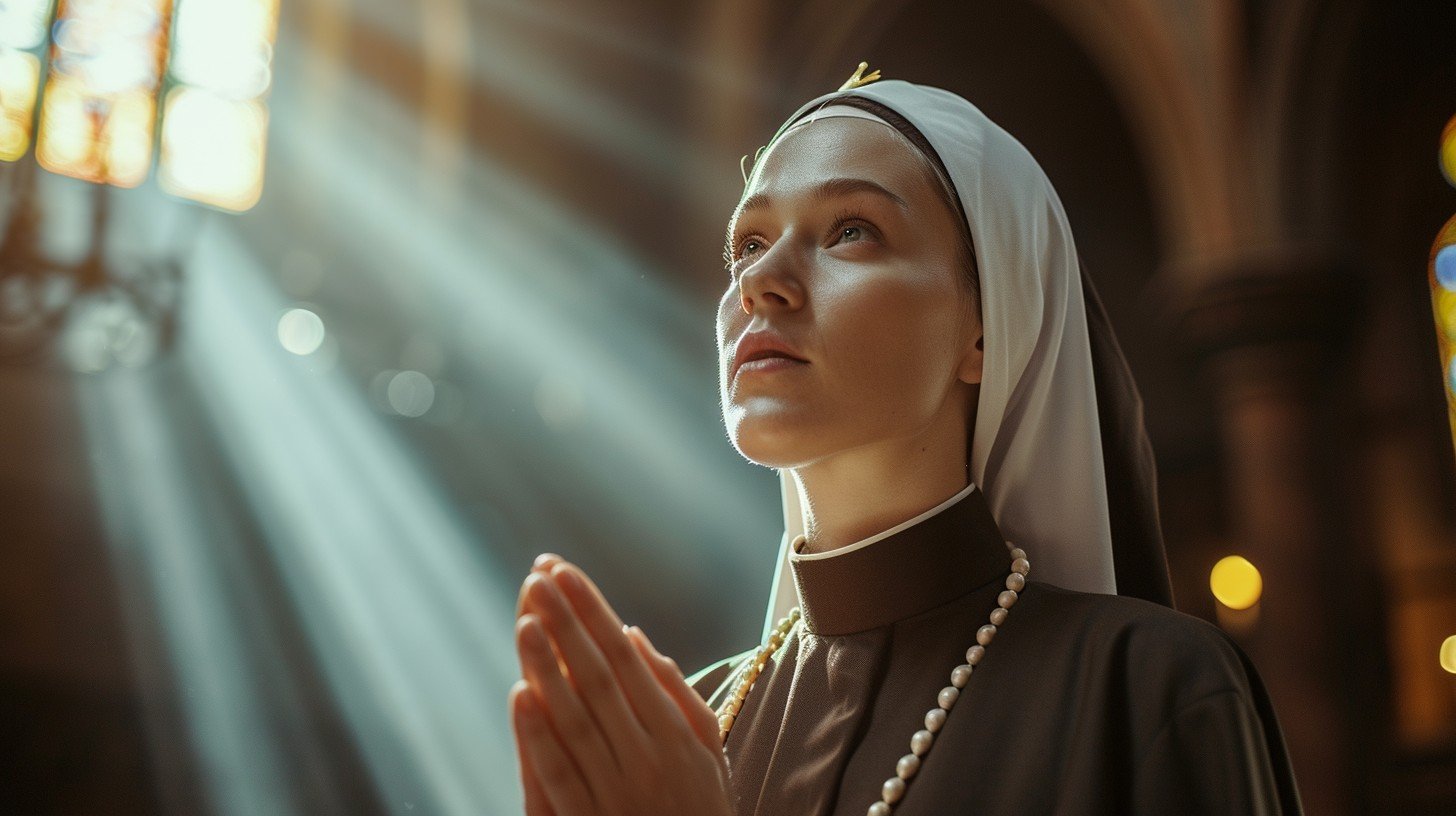
How to become a nun is a question that many people especially those seeking a life of deeper meaning, purpose, and spiritual service often ask. The path to becoming a nun is both beautiful and challenging. It involves prayer, discernment, education, and a strong personal commitment to living a life dedicated to God and others.
In this guide, we’ll explain step-by-step how to become a nun, what qualifications are needed, what daily life is like in a convent, and how to prepare yourself spiritually, emotionally, and practically. Whether you’re simply curious or seriously considering this sacred calling, this article will help you understand everything you need to know.
Table of Contents
1. Understanding What It Means to Be a Nun
Before beginning the journey to religious life, it’s important to clearly understand what it means to be a nun. A nun is a woman who dedicates her entire life to serving God, the Church, and others through prayer, community, and acts of service. This vocation is not just a lifestyle it’s a lifelong commitment to faith, simplicity, and compassion.
Nuns take three vows poverty, chastity, and obedience which represent a promise to live humbly, selflessly, and faithfully. These vows allow them to focus fully on spiritual growth and the needs of others, free from the distractions of material or worldly concerns.
There are also different types of religious life. Contemplative nuns live in monasteries or convents, dedicating most of their time to prayer and reflection. Active sisters, on the other hand, combine prayer with service through education, healthcare, or community outreach. Both paths share the same purpose: to live out faith through devotion and love.
Being a nun is not about isolation it’s about living in a supportive community of women who share the same mission and values. Together, they work, pray, and grow in faith, making a positive difference in the world through their example of service and peace.
Nuns vs. Sisters – What’s the Difference?
Although the terms are often used interchangeably, there’s a subtle difference:
- Nuns usually live a cloistered (enclosed) life dedicated mainly to prayer and contemplation.
- Sisters, on the other hand, work actively in the community through teaching, nursing, or missionary work.
Both share the same vows but live them in different ways. Understanding this difference helps you choose the right path that fits your calling.
2. The Spiritual Calling: How to Know If You’re Being Called
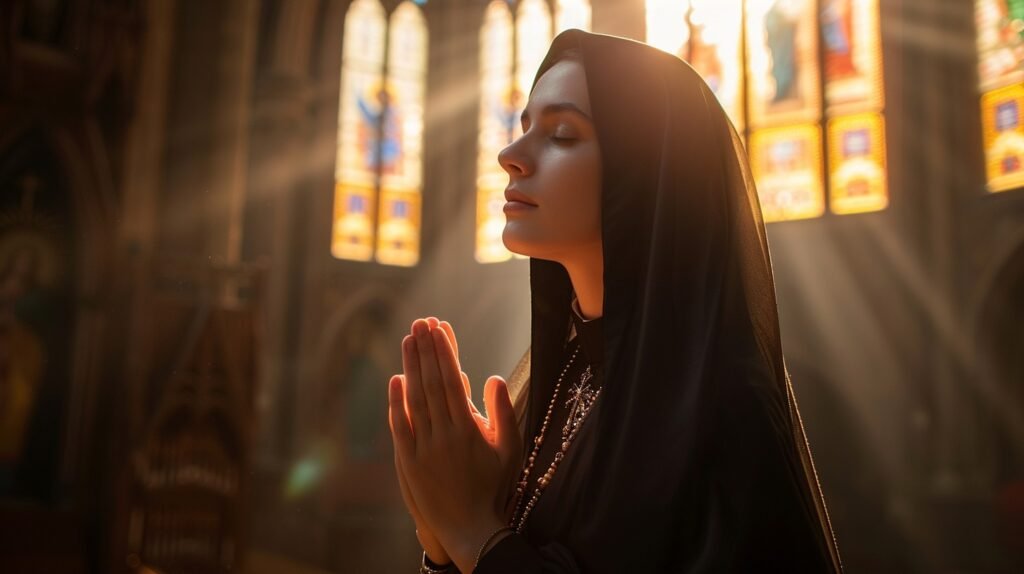
A spiritual calling to become a nun is deeply personal it’s not something that happens overnight, but rather unfolds over time through reflection, prayer, and guidance. Many women describe it as a gentle pull of the heart or a quiet inner voice that draws them toward a life of faith, service, and simplicity.
If you’re wondering whether you’re being called, start by paying attention to your inner peace and purpose. When thoughts of religious life bring a sense of calm or fulfillment instead of fear, it may be a sign that God is guiding you in that direction.
You might also notice that worldly goals no longer satisfy you, and you find greater joy in helping others, spending time in prayer, or being part of your faith community. These are common indicators of a deeper spiritual desire taking root within you.
However, discerning a calling is not something you do alone. Speaking with a spiritual director or mentor can help you interpret your feelings and ensure you’re making a balanced decision. They can guide you through prayer, answer questions, and help you see whether this path aligns with your life’s purpose.
Remember, a spiritual calling is not about perfection it’s about openness and willingness to serve. If you keep an open heart and continue to seek clarity through prayer and reflection, your true path will gradually become clearer.
3. Step-by-Step Process: How to Become a Nun
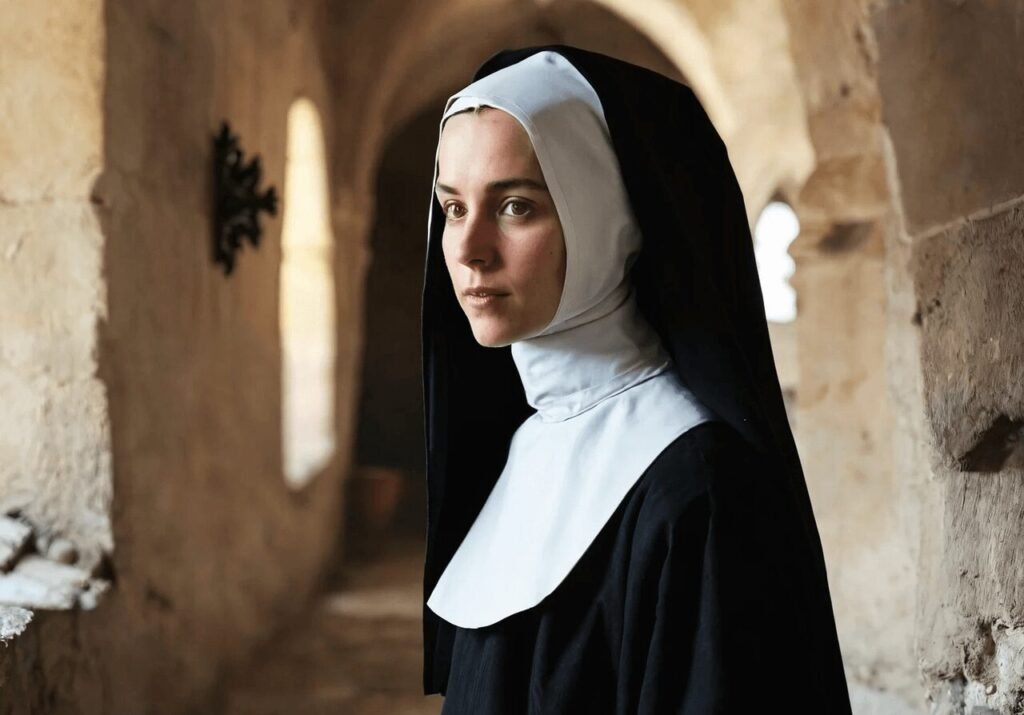
Let’s explore the key stages of becoming a nun. The process can take several years, as it requires time for discernment, formation, and commitment.
Step 1: Deepen Your Relationship with God
Before anything else, spend time praying daily, attending Mass, and reading Scripture. This helps you grow closer to God and understand His plan for you.
Step 2: Seek Guidance from a Spiritual Director
A spiritual director (often a priest, sister, or experienced layperson) helps you discern your vocation. They guide you in prayer, answer questions, and provide insight into whether religious life is truly your calling.
Step 3: Research Religious Orders
There are many religious communities worldwide, each with a unique focus or “charism.” Examples include:
- Benedictines – dedicated to prayer and community living.
- Franciscans – focused on simplicity, poverty, and caring for the poor.
- Dominicans – known for teaching and preaching.
- Missionaries of Charity – serving the poorest of the poor.
Researching helps you find an order that aligns with your values and calling.
Step 4: Visit Convents and Religious Communities
Once you’ve identified a few communities, arrange visits or retreats. These “Come and See” programs allow you to experience the community’s lifestyle firsthand. You’ll join in prayer, work, and daily routines to see if it feels like home.
Step 5: Begin the Application Process
If you feel called to a particular order, you’ll apply formally. The application may include:
- A personal statement.
- Letters of recommendation.
- A health check and background review.
- An interview with community leaders.
Step 6: Postulancy
This is the first stage of formation, lasting about 6 months to 2 years. As a postulant, you live with the community, follow their routine, and learn about religious life. It’s a time of deep spiritual growth and adjustment.
Step 7: Novitiate
If you and the community decide to continue, you become a novice. This stage usually lasts 1 to 2 years and includes formal religious education, study of the vows, and deeper prayer life. You’ll receive a religious habit (the traditional clothing) and focus on spiritual formation.
Step 8: Temporary Vows
After the novitiate, you take temporary vows of poverty, chastity, and obedience. These are renewed annually for several years as you continue your formation.
Step 9: Final or Perpetual Vows
After years of preparation, if you and the community believe you are truly called, you’ll make final vows a lifelong commitment to God and your religious community.
4. Basic Requirements to Become a Nun
While each community has specific guidelines, most require:
- Age: Usually between 18 and 40 years old.
- Faith: You must be a baptized and confirmed Catholic.
- Health: Good physical and mental health to participate in community life.
- Education: A basic level of education (matric or higher) is often required.
- Single Status: You should be unmarried and not in a romantic relationship.
- Freedom: You must be free from major debts or legal obligations.
Some orders may accept older applicants or converts to Catholicism after additional preparation.
5. Daily Life of a Nun

The daily life of a nun is centered on faith, service, and community. While each religious order has its own customs and routines, most nuns follow a structured schedule designed to balance prayer, work, and rest.
A typical day begins early in the morning with personal prayer or meditation, followed by Mass and community prayers. These quiet moments allow nuns to connect with God and prepare their hearts for the day ahead. After morning worship, many nuns move on to their daily duties, which may include teaching, caring for the sick, administrative tasks, gardening, or community outreach depending on their order’s mission.
Meals are usually shared with the community, often in a calm and reflective atmosphere. Afternoons may involve study, additional prayer sessions, or service activities that support their ministry. Evenings are devoted to reflection, gratitude, and prayer, helping the community end the day in peace.
Although their lives are disciplined and simple, many nuns describe their routine as deeply fulfilling. Living with intention and purpose allows them to focus on what truly matters faith, compassion, and service to others. Every part of their day, no matter how small, becomes an act of devotion and love.
6. Challenges of Becoming a Nun
Like any major life choice, becoming a nun comes with challenges.
Emotional and Social Challenges
- Leaving family, friends, and previous lifestyles behind.
- Adapting to communal living and shared decision-making.
- Limited contact with the outside world (especially in cloistered orders).
Spiritual Challenges
- Maintaining discipline in prayer and humility.
- Overcoming doubts and fears during formation.
- Trusting in God’s plan even during loneliness or uncertainty.
Financial Challenges
While most communities provide for your basic needs once you join, some applicants must clear personal debts before entering. Planning ahead is essential.
Despite these challenges, most nuns describe their vocation as a journey of inner joy, peace, and purpose beyond what material life can offer.
7. Rewards of Becoming a Nun
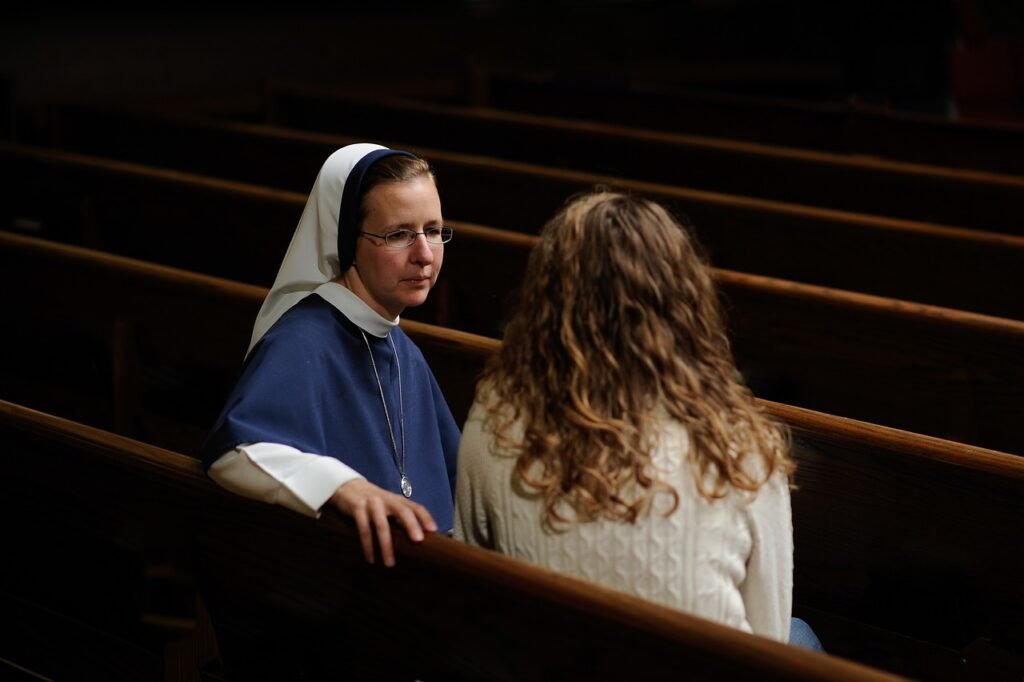
The rewards of becoming a nun go far beyond material comfort they are deeply spiritual, emotional, and personal. For many women, this path brings a profound sense of peace, fulfillment, and purpose that comes from dedicating one’s life to faith and service.
One of the greatest rewards is developing a deep connection with God through daily prayer and reflection. This closeness provides inner peace and clarity, even during life’s challenges. Living in a religious community also offers a strong sense of belonging and sisterhood nuns support one another through shared faith, friendship, and encouragement.
Another meaningful reward is the joy of helping others. Whether through teaching, healthcare, or community service, nuns make a lasting impact in people’s lives. Their work brings comfort, hope, and guidance to those in need, creating a sense of purpose that many find deeply rewarding.
Lastly, becoming a nun allows one to live a life of simplicity and contentment, free from the pressures of materialism. It’s a path that nurtures spiritual growth, compassion, and inner strength qualities that lead to a life rich in meaning and peace.
8. How Long Does It Take to Become a Nun?
Becoming a nun is not a quick process it’s a gradual journey of spiritual growth, personal transformation, and commitment. On average, it can take anywhere from six to ten years to complete all the stages leading up to final vows. The process is intentionally slow, allowing both the individual and the religious community to ensure that this calling is genuine and deeply understood.
It usually begins with a period of discernment, where a woman spends time praying, seeking guidance, and learning more about religious life. Once she decides to move forward, she enters the postulancy stage, living with the community to experience their way of life. This stage often lasts from six months to two years.
Next comes the novitiate, a more formal stage of training and spiritual formation that typically lasts one to two years. After that, she takes temporary vows, which are renewed annually for several years while she continues to grow in faith and service.
Only after completing these stages does she make her final or perpetual vows, signifying a lifelong commitment to her faith and community. Each phase is important and ensures that the decision to become a nun is made with clarity, maturity, and a genuine sense of purpose.
9. Can You Leave If You Change Your Mind?
Yes, it is possible to leave religious life if you discover that becoming a nun is not the right path for you. The process of formation is designed to give women enough time to discern their true calling before making a lifelong commitment.
During the early stages such as the postulancy or novitiate you are free to leave at any time if you feel that this life no longer aligns with your spiritual journey. The community understands that discernment is about discovering God’s will honestly, and sometimes that means realizing your vocation lies elsewhere.
Even after taking temporary vows, there is still room for reflection and change. These vows are renewed annually for a set period, allowing both the individual and the community to confirm whether the decision feels right. Only after taking final vows does the commitment become permanent, though leaving at that stage requires formal approval through church procedures.
This open and understanding approach ensures that choosing religious life is always done with freedom, peace, and clarity, never out of pressure or obligation.
10. How to Prepare Yourself Spiritually and Practically
Preparing to become a nun involves more than just learning about religious life it requires spiritual readiness, emotional maturity, and practical preparation. This stage helps you build the foundation needed to live a life of faith and service with confidence and peace.
Spiritual Preparation
Start by deepening your relationship with God through daily prayer, attending Mass, and reading Scripture. Spending quiet time in reflection helps you understand your inner motivations and strengthens your faith. Seeking the guidance of a spiritual director or a trusted mentor can also provide clarity and support during your discernment journey.
Practical Preparation
It’s equally important to prepare for the practical aspects of religious life. Simplify your lifestyle, manage or settle any debts, and focus on maintaining good health. Volunteering in your community or church can also help you develop a spirit of service and humility qualities that are essential for life in a religious community.
Emotional Readiness
Take time to reflect on how this decision may affect your relationships and lifestyle. Speak openly with family and friends about your intentions, and seek their understanding and support. Emotional balance and self-awareness will help you enter this path with peace and confidence.
By preparing both spiritually and practically, you create the space to embrace your calling with a clear mind and a faithful heart, ready to serve and grow within your chosen community.
11. Frequently Asked Questions

1. Can someone who was previously married become a nun?
In most cases, yes if the marriage has been annulled and the person is now free to make vows.
2. Do nuns get paid?
Nuns don’t receive salaries. The community provides for all basic needs food, clothing, healthcare, and shelter.
3. Can you have contact with family?
Yes, though it depends on the order. Some allow visits and letters, while contemplative orders limit contact.
4. Do nuns use phones or the internet?
Active sisters may use technology for ministry or communication. Cloistered nuns generally avoid it to maintain focus on prayer.
5. Can you become a nun if you’re not Catholic?
Usually, you must first convert to Catholicism, undergo formation, and receive the sacraments of baptism and confirmation.
12. Conclusion
Learning how to become a nun is a journey of faith, love, and commitment. It’s not about escaping the world, but about transforming it through prayer and service. Every step from discernment to final vows invites you to grow closer to God and discover your true purpose.
If you feel drawn to this path, take time to pray, seek guidance, and explore religious communities. Remember, God’s call unfolds gently and patiently. When you follow it with an open heart, you’ll find a peace that surpasses understanding.