
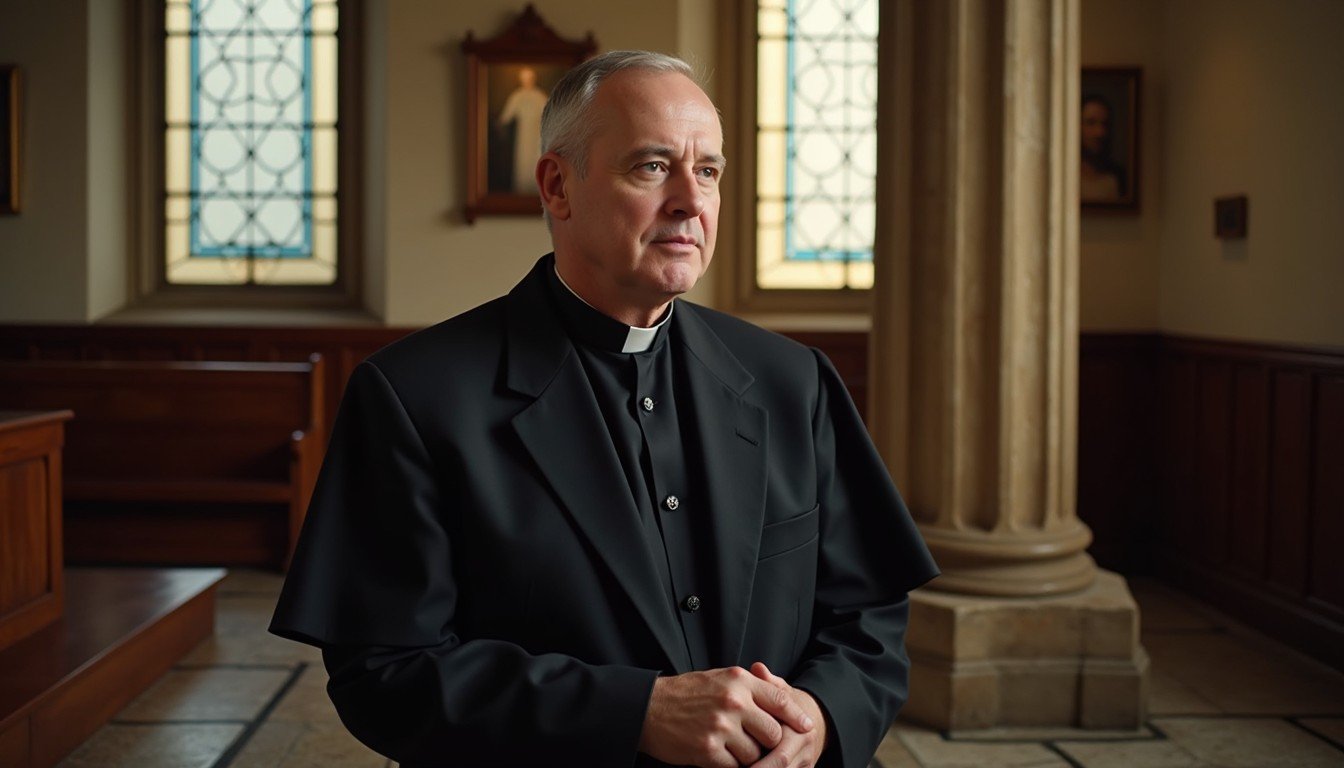
How to become a pastor is a question many spiritually-minded individuals ask when they feel called to serve in a leadership role within their faith community. Whether you’re just exploring the idea or you’ve already felt the tug of ministry, understanding the path to becoming a pastor is essential. This guide breaks down everything you need to know from defining what a pastor does to the steps, education, and character traits needed to lead a congregation.
Table of Contents
What Is a Pastor?

A pastor is a spiritual leader responsible for guiding a group of people often referred to as a congregation through teaching, counseling, prayer, and community service. Most pastors work in churches, but their influence often reaches far beyond the church walls. They perform a wide variety of duties including:
- Preaching sermons
- Providing spiritual counseling
- Officiating weddings and funerals
- Visiting the sick and homebound
- Leading community outreach
- Managing church staff and volunteers
- Teaching Bible studies and theological classes
Being a pastor is both a calling and a career, requiring strong moral character, theological knowledge, and people skills.
Step-by-Step Guide: How to Become a Pastor
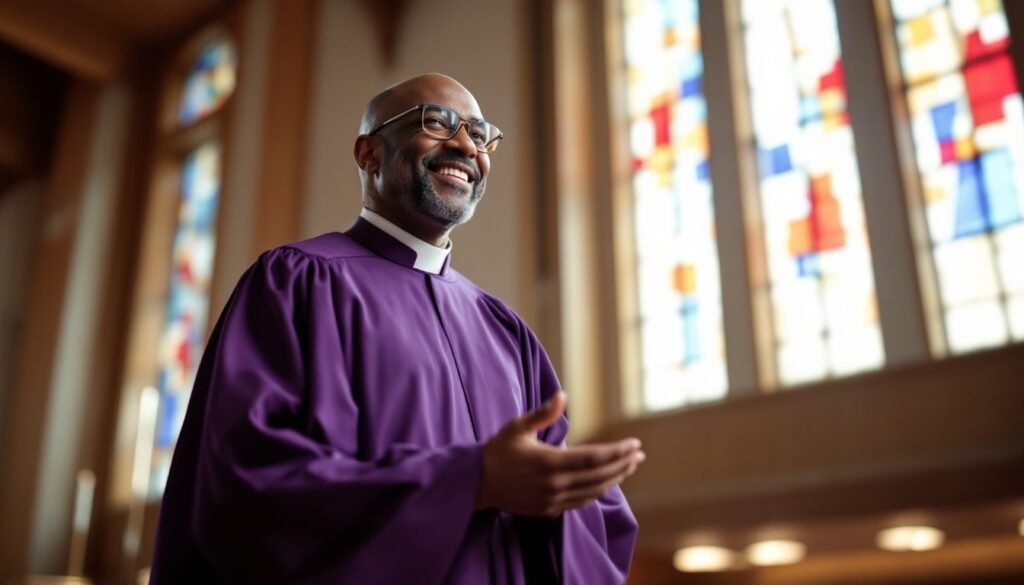
1. Feel and Discern the Call
Most pastors say their journey began with a “calling” a deep sense that God was leading them to serve. This calling might not come in a dramatic fashion; sometimes it’s a slow realization built on years of volunteering or mentoring.
Ask yourself:
- Do I feel drawn to serve others spiritually?
- Do I have a passion for teaching and guiding people?
- Have others affirmed my leadership or ministry skills?
2. Speak With Your Church Leaders
Before taking any formal steps, talk to your current pastor or church elders. They can offer insight, guidance, and mentorship. Many churches have internal processes for recognizing and nurturing future leaders.
Key benefits of speaking with your church:
- Access to local ministry opportunities
- Recommendations for seminary or Bible college
- Support and prayer throughout the process
3. Choose a Denomination (If Applicable)
Some churches are non-denominational, but others belong to larger denominations like Baptist, Methodist, Pentecostal, or Presbyterian. Each denomination may have specific requirements for becoming a pastor.
Examples:
- Southern Baptist Convention: Typically requires a seminary degree and a call from a local church.
- United Methodist Church: Has a formal ordination process and educational pathway.
- Assemblies of God: Offers a credentialing process involving exams, interviews, and mentorship.
Research the denomination you’re interested in and understand their pastoral requirements.
4. Get the Right Education
While some small or independent churches may not require formal education, most denominations and larger churches prefer or mandate it.
Common Educational Paths:
- Bible College: Offers a focused Christian education with degrees in pastoral studies, theology, or Christian leadership.
- Seminary: A graduate school that offers Master of Divinity (M.Div.) degrees, typically required for ordination in mainline denominations.
- Online Programs: For those with time or location constraints, many reputable schools offer accredited online ministry degrees.
Coursework may include:
- Biblical Studies
- Theology
- Church History
- Counseling
- Homiletics (Preaching)
- Leadership and Ethics
5. Gain Ministry Experience
Before becoming a lead pastor, most candidates serve in smaller roles, such as:
- Youth pastor
- Associate pastor
- Outreach coordinator
- Worship leader
- Volunteer Bible teacher
This hands-on experience is crucial. It helps you understand the dynamics of church leadership and allows mentors to observe your growth.
Look for internships, part-time ministry jobs, or volunteer roles in your current church or community.
6. Get Ordained or Licensed
Ordination is the official recognition of your role as a pastor. The process varies widely between denominations, but common steps include:
- Formal application
- Recommendation letters
- Interviews with a church board or denominational committee
- Written exams (theology, Bible knowledge, ethics)
- A public ordination ceremony
Some denominations also offer licensing, a less formal version of ordination that may be required for certain pastoral duties.
7. Apply for a Pastoral Position
Once you’re ordained or meet your denomination’s requirements, you can start applying for pastoral roles. These may be posted on:
- Denominational websites
- Christian job boards (e.g., ChurchStaffing.com)
- Local church bulletins or newsletters
Be prepared to submit a resume, preach a trial sermon, and undergo interviews with church boards or hiring committees.
Personal Qualities Every Pastor Should Have

Beyond education and experience, being a successful pastor requires a strong moral foundation and key interpersonal skills. These include:
1. Integrity and Honesty
People trust their pastor with personal and spiritual matters. Maintaining confidentiality and living out the values you preach is non-negotiable.
2. Compassion
You’ll be working with people in all walks of life some dealing with grief, others with crisis. A compassionate heart is essential.
3. Communication Skills
Preaching, teaching, counseling, and writing are all part of pastoral life. The ability to communicate clearly and empathetically is vital.
4. Leadership
You’ll oversee staff, volunteers, and sometimes even finances. Strong leadership helps unify your congregation and drive the church’s mission.
5. Humility and Teachability
No one has all the answers. Great pastors are lifelong learners, open to feedback and correction.
Common Challenges of Being a Pastor

While many see pastors as calm, inspiring, and spiritually strong figures, what often goes unnoticed are the unique and sometimes overwhelming challenges that come with the role. Being a pastor is more than preaching on Sundays—it’s a full-time commitment to serving others spiritually, emotionally, and sometimes even physically. Below are some of the most common challenges pastors face in their daily lives:
1. Emotional and Spiritual Burnout
Pastors are constantly giving—through prayer, counseling, preaching, and leadership. Over time, this can lead to emotional exhaustion and spiritual fatigue, especially when there’s little time for personal reflection or rest.
Why it happens:
- Constantly dealing with crisis situations (death, illness, marriage issues)
- Unrealistic expectations from the congregation
- Lack of boundaries between work and personal life
Solutions:
- Set aside time for personal prayer and spiritual growth
- Take regular days off and plan sabbaticals
- Seek mentorship or professional counseling when needed
2. High Expectations from Congregants
Congregation members often expect pastors to be flawless—always available, always wise, and always spiritually strong. These expectations can create pressure and feelings of inadequacy, especially when the pastor is going through personal struggles.
Examples of common expectations:
- Always being available for calls or visits
- Providing perfect sermons every week
- Solving personal or family issues within the church
- Taking a stand on controversial social issues
Solutions:
- Communicate boundaries clearly and early
- Delegate tasks to trained staff or trusted volunteers
- Remind the congregation that pastors are human too
3. Work-Life Balance Difficulties
Pastors often find it hard to separate ministry work from family time. Emergencies can arise at any hour, and Sunday services, midweek programs, and counseling sessions can consume a large portion of their schedule.
Consequences:
- Strained family relationships
- Missed vacations and personal events
- Constant guilt when choosing family over church responsibilities
Solutions:
- Schedule and protect family time
- Involve the family in ministry when appropriate
- Rely on a support team to share the load
4. Financial Stress
Pastors working in small or struggling congregations may face financial difficulties due to low or inconsistent income. Some are forced to take bi-vocational roles, working a second job to support their families.
Challenges include:
- Inadequate salary or benefits
- Lack of retirement or health plans
- Pressure to keep finances private despite hardship
Solutions:
- Create transparent financial plans with the church board
- Look for part-time or freelance work that complements ministry
- Apply for grants, scholarships, or denominational support
5. Criticism and Conflict
Pastors are public figures, and not everyone in the congregation will agree with their decisions, theology, or leadership style. Criticism can come from board members, staff, or members of the congregation.
Common issues that cause conflict:
- Sermon content or style
- Church budgeting or fundraising decisions
- Political or social positions
- Management of church programs or personnel
Solutions:
- Practice humility and listen to feedback without defensiveness
- Build a trusted advisory group for accountability and support
- Resolve conflicts biblically and professionally
6. Loneliness and Isolation
Despite being surrounded by people, many pastors feel lonely. They may feel that they can’t form close friendships within their congregation, leading to social isolation.
Causes of loneliness:
- Fear of being judged or misunderstood
- Lack of peer support
- High expectations of moral or spiritual perfection
Solutions:
- Join pastor support groups or ministry networks
- Cultivate friendships outside the church community
- Make time for hobbies, rest, and relationships
7. Moral and Ethical Temptations
The pressures of ministry can expose pastors to moral vulnerabilities such as pride, dishonesty, sexual temptation, or misuse of power and finances. Sadly, scandals involving pastors often stem from unaddressed temptations and lack of accountability.
Why it’s dangerous:
- One failure can damage the pastor’s ministry and church reputation
- Victims (if involved) may suffer spiritual trauma
- Congregational trust may be permanently broken
Solutions:
- Build accountability systems (mentors, elders, spouse)
- Regularly reflect on one’s spiritual and moral health
- Stay grounded in Scripture and prayer
8. Keeping Up with Modern Culture and Technology
Today’s pastors are expected to engage with digital platforms, social media, and cultural trends—all while maintaining the integrity of their message. This can be overwhelming, especially for older pastors or those with limited resources.
Challenges may include:
- Understanding and using social media wisely
- Creating online content (sermons, blogs, livestreams)
- Addressing modern issues (gender identity, AI, politics, etc.)
Solutions:
- Attend training workshops or webinars
- Delegate tech responsibilities to younger team members
- Stay informed but stay rooted in biblical truth
9. Dealing with Declining Church Attendance
Across many parts of the world, especially in urban and Western areas, church attendance is declining. Pastors may feel discouraged as they try to keep members engaged and attract new attendees.
Contributing factors:
- Secularization
- Online alternatives to church
- Generational differences in faith expression
Solutions:
- Focus on meaningful, relational ministry over numbers
- Explore creative outreach strategies (community events, podcasts, social media)
- Equip and empower members to be ambassadors of faith
Final Thoughts on Facing These Challenges
The role of a pastor is demanding, but it is also deeply rewarding when approached with preparation, prayer, and perseverance. By acknowledging the common challenges and taking practical steps to address them, pastors can thrive in their calling, lead with integrity, and positively impact lives for generations.
If you’re considering becoming a pastor, understanding these hurdles ahead of time can help you prepare mentally, emotionally, and spiritually for a life of meaningful service.
Rewards of Becoming a Pastor
While the journey to becoming a pastor involves dedication, study, and perseverance, it also offers countless personal, spiritual, and communal rewards. Many who take on this role describe it as one of the most fulfilling experiences of their lives. Below are some of the most meaningful rewards that come with pastoral ministry:
1. Making a Lasting Spiritual Impact
At the heart of pastoral ministry is the opportunity to lead people into deeper relationships with God. Every sermon preached, prayer offered, and life milestone shared can become a moment of spiritual growth for someone.
Examples of spiritual impact:
- Guiding someone toward salvation or baptism
- Helping a struggling couple restore their marriage through counseling
- Teaching biblical truths that transform someone’s life perspective
Over time, these individual moments add up to a legacy that can influence generations.
2. Being Part of Life’s Most Important Moments
Pastors are invited into some of the most intimate and sacred events in people’s lives—from weddings and births to funerals and hospital visits. These moments are deeply personal, and pastors are given the privilege of offering support, comfort, and celebration during them.
You may find yourself:
- Officiating a wedding and blessing a new union
- Praying with families as they welcome a newborn
- Offering comfort and words of hope at a funeral service
Few other professions allow such close involvement in life’s defining experiences.
3. Building Deep, Meaningful Relationships
Pastors often develop close relationships with members of their congregation and community. These bonds go beyond casual acquaintance and are built on mutual trust, shared faith, and emotional support.
Relational rewards include:
- Watching church members grow over years or even decades
- Being seen as a trusted advisor or spiritual father/mother
- Forming long-lasting friendships with fellow leaders and members
These connections are both personally enriching and spiritually encouraging.
4. Experiencing Personal Spiritual Growth
Serving as a pastor forces you to engage deeply with Scripture, prayer, and the leading of the Holy Spirit. The process of preparing sermons, guiding others, and making spiritual decisions sharpens your own faith and helps you grow.
Ways you’ll grow spiritually:
- Regular study and meditation on the Word
- Greater dependence on God through challenges
- Deeper understanding of theology and spiritual disciplines
Many pastors testify that the role strengthens their personal walk with God in profound ways.
5. Contributing to Positive Social Change
Pastors don’t just influence individuals—they can shape entire communities. Through outreach programs, charitable efforts, and social advocacy, pastors can lead initiatives that make a tangible difference.
Examples of social impact:
- Organizing food drives or homeless outreach
- Leading addiction recovery groups
- Advocating for justice, equality, or education in underserved communities
These efforts reflect the gospel in action and demonstrate how faith can lead to transformation on a larger scale.
6. Leading with Purpose and Meaning
In a world where many people struggle to find purpose in their careers, pastors often find incredible satisfaction in knowing their work matters—eternally. Every task, no matter how small, is tied to a higher mission: helping people encounter God and live transformed lives.
This sense of purpose includes:
- Knowing your work has eternal significance
- Seeing lives changed over time
- Waking up each day with a clear mission and direction
This kind of purposeful living brings deep emotional and psychological fulfillment.
7. Enjoying Creative and Intellectual Expression
Pastoral work isn’t just spiritual—it also involves a great deal of creativity and learning. From writing and delivering sermons to developing ministries and leading church initiatives, pastors use a wide range of talents.
Creative outlets may include:
- Crafting sermon series or devotionals
- Designing church programs or events
- Engaging with technology, art, or music in worship
Many pastors find joy in the freedom to innovate while staying anchored in their calling.
8. Being an Instrument of Healing and Hope
In times of crisis, pain, or confusion, people often turn to their pastor for comfort and clarity. Being a source of peace and spiritual healing in such moments is one of the most humbling and rewarding aspects of the role.
You may be called to:
- Sit with someone grieving a loved one
- Encourage someone dealing with addiction, depression, or doubt
- Help a person reconcile with their faith after years of struggle
To be used by God in such moments of healing is a privilege few other roles offer.
9. Receiving Community Respect and Influence
In many cultures and communities, pastors are highly respected for their moral integrity, leadership, and service. This respect opens doors to influence not only within the church but also in local schools, government, and civic organizations.
As a respected voice, you might:
- Be invited to speak at public events
- Offer counsel to civic leaders
- Partner with other organizations for the common good
This influence can be used to promote unity, compassion, and moral guidance in broader society.
10. Leaving a Lasting Legacy
Pastors may retire or pass on, but their teachings, actions, and character often leave a legacy that lives on in the hearts and minds of others. Children who grow up in the church, couples whose marriages were saved, and people whose lives were transformed often carry a pastor’s influence with them for a lifetime.
Your legacy might include:
- Planting or growing a thriving church
- Mentoring future leaders and pastors
- Authoring books, devotionals, or sermons that reach beyond your local congregation
A life devoted to ministry can echo into eternity.
Final Encouragement
The rewards of becoming a pastor aren’t always immediate or visible but they are profound and lasting. If you feel called to this path, remember that the hard work, challenges, and sacrifices are all part of a greater purpose. As a pastor, you have the opportunity to live a life of significance, serve others selflessly, and fulfill your calling with love, wisdom, and joy.
Alternative Ministry Roles
If pastoral ministry feels too broad or formal, there are other ministry roles to consider:
- Chaplain (Hospital, Military, School, Prison)
- Missionary
- Church Planter
- Christian Counselor
- Theological Educator
These roles still require theological training and a heart for service, but they might align better with your specific interests.
Frequently Asked Questions (FAQ)

Do you need a degree to become a pastor?
Not always. While many churches require a degree especially for full-time positions some smaller or independent churches value character, experience, and calling over formal education.
Can women become pastors?
Yes, but it depends on the denomination. Some, like the United Methodist Church or Assemblies of God, allow women pastors. Others may have restrictions.
Is being a pastor a full-time job?
Many pastors work full-time, but part-time and bi-vocational roles (pastors who also have another job) are also common, especially in smaller congregations.
How much does a pastor earn?
According to the U.S. Bureau of Labor Statistics, pastors earn between $30,000–$75,000 annually depending on location, church size, and experience. Some large churches offer higher salaries, while smaller ones may pay modestly.
How long does it take to become a pastor?
It typically takes 4–7 years, including education and experience. However, timelines vary widely based on your path and denomination.
Final Thoughts: Answering the Call
Learning how to become a pastor is more than just a career decision it’s a spiritual journey. It involves preparation, prayer, and a deep commitment to serving others. Whether you’re 18 or 48, it’s never too early or too late to begin exploring your path to ministry.
Start by seeking wisdom, gaining experience, and taking small, faithful steps. In time, you’ll find clarity, confirmation, and community support to walk confidently into your pastoral calling.