

How to become a politician in South Africa is a question many aspiring leaders ask when they feel inspired to make a difference in their communities and shape the future of the nation. South Africa’s democracy offers countless opportunities for individuals who are passionate about public service, justice, and leadership. Whether you dream of becoming a local councillor, a member of parliament, or even a minister, your political journey begins with understanding how the system works, gaining the right skills, and earning the trust of the people you wish to represent. In this guide, we’ll explore every step of the process from education and community involvement to running for office and building a lasting political career.
Table of Contents
1. Understanding What It Means to Be a Politician
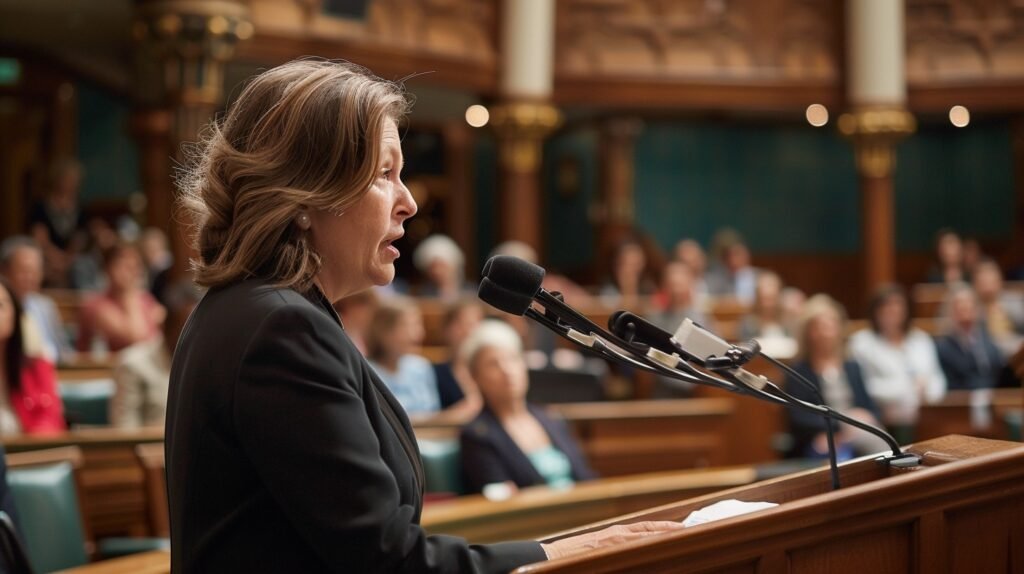
A politician is a person who holds or seeks a position in government whether at the local, provincial, or national level. In South Africa, politicians are responsible for creating and implementing laws, representing the public, and ensuring that government institutions serve citizens fairly.
Politicians play many roles:
- Legislators: Draft and debate laws in Parliament or municipal councils.
- Public representatives: Listen to community concerns and take them to the government.
- Policy influencers: Shape the direction of national priorities, such as education, healthcare, or the economy.
- Community leaders: Drive development and upliftment projects in their constituencies.
Being a politician means committing to public service, staying accountable, and maintaining ethical conduct in all your decisions.
2. Educational Requirements for Becoming a Politician
When it comes to educational requirements for becoming a politician in South Africa, there are no strict academic qualifications needed to enter politics. Anyone who is a South African citizen and registered voter can participate in the political process. However, education plays an important role in shaping your understanding of governance, leadership, and public service.
Many politicians choose to study fields that give them a deeper insight into how society and government work. Common study areas include:
- Political Science or Public Administration: Teaches how governments operate and how policies are made.
- Law: Helps you understand legal systems, rights, and the Constitution.
- Economics: Provides knowledge about budgets, employment, and national development.
- Sociology or Social Work: Builds empathy and helps address social challenges within communities.
- Communication or Journalism: Strengthens public speaking, media engagement, and persuasive skills.
Even though formal education is not mandatory, it offers valuable skills such as critical thinking, problem-solving, and decision-making qualities that every politician needs. For those who may not have the opportunity to attend university, there are many short courses and community leadership programs that provide training in governance, civic education, and public management.
In the end, education whether formal or self-taught helps you become a more informed, confident, and capable leader who can represent the needs of citizens effectively and ethically.
3. Building Leadership and Communication Skills

One of the most important steps in becoming a successful politician in South Africa is building strong leadership and communication skills. Politics is not just about holding a position it’s about inspiring people, solving problems, and effectively representing your community.
Leadership skills help you guide teams, make strategic decisions, and take responsibility for outcomes. You can develop leadership abilities by:
- Volunteering in community projects such as youth programs, social initiatives, or local campaigns.
- Participating in student councils or civic organizations to gain practical leadership experience.
- Mentorship programs where experienced leaders guide you in decision-making and strategy.
Communication skills are equally critical. Politicians must clearly convey ideas, listen to citizens, and persuade others to support initiatives. Ways to improve communication include:
- Public speaking practice through workshops, debate clubs, or community events.
- Active listening to understand the concerns and needs of your community.
- Writing and media engagement to effectively share your vision and policies.
Strong leadership and communication skills build trust and credibility with voters. By practicing these skills consistently, you prepare yourself to lead with confidence, represent your community effectively, and make a meaningful impact in South African politics.
4. Getting Involved in Your Community
Politics begins at the local level. Before aiming for national office, start by making a positive impact in your community.
Ways to get started include:
- Join your local ward committee or community forum
- Attend municipal council meetings to learn how decisions are made
- Volunteer for social causes such as youth development, education, or healthcare
- Organize awareness campaigns about issues like unemployment or safety
Building a strong reputation in your community helps people recognize your dedication and leadership, which can later translate into political support.
5. Joining a Political Party in South Africa
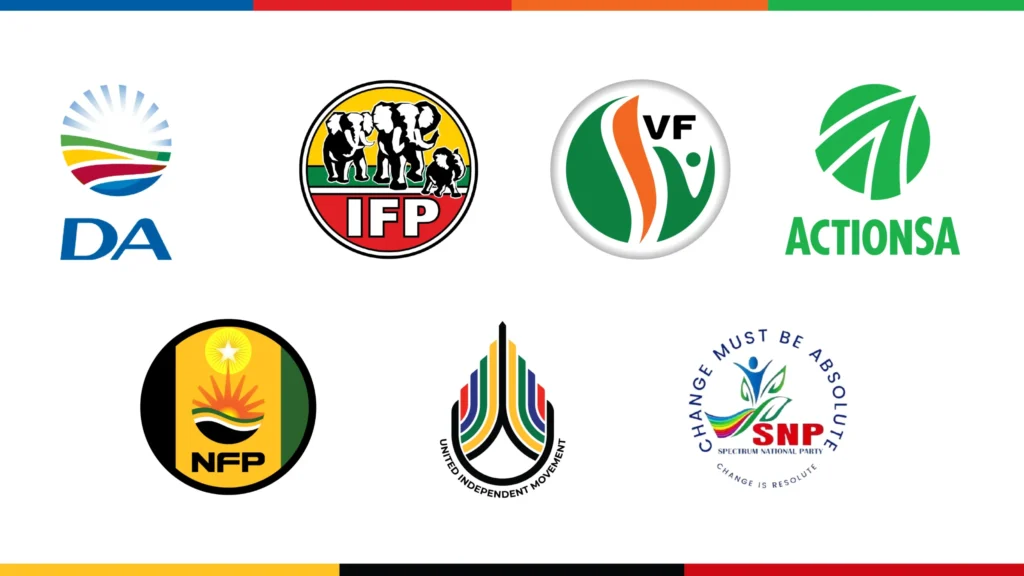
Most politicians in South Africa start their careers by joining a registered political party. While it is possible to run as an independent candidate, being part of a political party provides structure, mentorship, and opportunities to rise through the ranks.
How to Join a Political Party:
- Research different parties: Look at their policies, values, and mission to find one that aligns with your beliefs.
- Contact the local branch: Most major parties have branches in towns and cities across South Africa.
- Become an active member: Attend meetings, volunteer in campaigns, and help with community programs.
- Work your way up: Show commitment, and you may be nominated for leadership positions or public office.
Major political parties in South Africa include:
- African National Congress (ANC)
- Democratic Alliance (DA)
- Economic Freedom Fighters (EFF)
- Inkatha Freedom Party (IFP)
- Freedom Front Plus (FF+)
- ActionSA and other emerging movements
Your choice should reflect your values, principles, and the kind of change you want to bring.
6. Running for Public Office
Once you have gained experience and community trust, the next step is to run for a political position. There are different levels of government in South Africa:
Local Government
Local government is the level of politics closest to the people, making it an excellent starting point for anyone looking to become a politician in South Africa. Local governments are responsible for delivering essential services such as water, electricity, waste management, and community development. By engaging at this level, you have the opportunity to directly impact the lives of residents in your area.
Positions within local government include ward councillors, mayors, and municipal committee members. Ward councillors represent specific neighborhoods, bringing community concerns to the municipal council, while mayors oversee broader municipal operations and development plans.
Getting involved in local government allows you to:
- Understand community needs firsthand and propose practical solutions.
- Build a reputation as a dedicated public servant.
- Gain practical political experience that can later support a move to provincial or national politics.
To participate, you can join a political party, volunteer in community initiatives, or even run as an independent candidate. Local government is not only a platform for service but also a critical training ground for shaping a successful political career in South Africa.
Provincial Government
The provincial government in South Africa is the intermediate level of governance between local municipalities and the national government. It plays a crucial role in implementing policies, managing public services, and driving development within each of the country’s nine provinces. For aspiring politicians, provincial government offers an opportunity to influence regional decision-making while gaining experience in larger-scale governance.
Key positions in provincial government include Members of the Provincial Legislature (MPLs), provincial ministers, and committee leaders. MPLs are responsible for debating and passing provincial laws, overseeing budgets, and ensuring that government departments deliver essential services efficiently.
Getting involved in provincial politics allows you to:
- Address regional challenges such as healthcare, education, and infrastructure development.
- Work on policy implementation that directly impacts millions of citizens.
- Expand your political network and gain visibility for future national-level opportunities.
To pursue a role in provincial government, you typically need to be active in a political party, demonstrate leadership skills, and have a strong track record of community or local government involvement. Serving at this level provides invaluable experience and positions you to make a meaningful difference in South Africa’s governance system.
National Government
The national government is the highest level of political leadership in South Africa and is responsible for creating and implementing policies that affect the entire country. It includes institutions such as Parliament, the President’s office, and various government ministries. For aspiring politicians, serving at the national level allows you to influence laws, national policies, and programs that shape the lives of millions of South Africans.
Key roles in the national government include:
- Members of Parliament (MPs): MPs debate, propose, and vote on national legislation. They also represent the interests of their constituents at the national level.
- Cabinet Ministers and Deputy Ministers: Oversee government departments and implement national policies in areas such as health, education, and finance.
- Committee Members: Monitor government programs and ensure accountability.
Working in the national government provides opportunities to:
- Shape policies with nationwide impact on social, economic, and environmental issues.
- Gain visibility and influence across political and public spheres.
- Collaborate with international leaders on treaties, trade, and global initiatives.
To reach this level, politicians often build experience in local and provincial government, develop strong leadership and communication skills, and maintain active involvement in political parties. Serving in the national government requires dedication, ethical conduct, and a genuine commitment to public service.
To run for office, you’ll need to:
- Be a South African citizen and registered voter.
- Be nominated by a political party or run as an independent candidate.
- Meet eligibility requirements set by the Independent Electoral Commission (IEC).
- Campaign ethically focus on your plans and policies, not personal attacks.
Winning elections requires hard work, community support, and a strong campaign strategy.
7. Understanding Ethics and Accountability in Politics
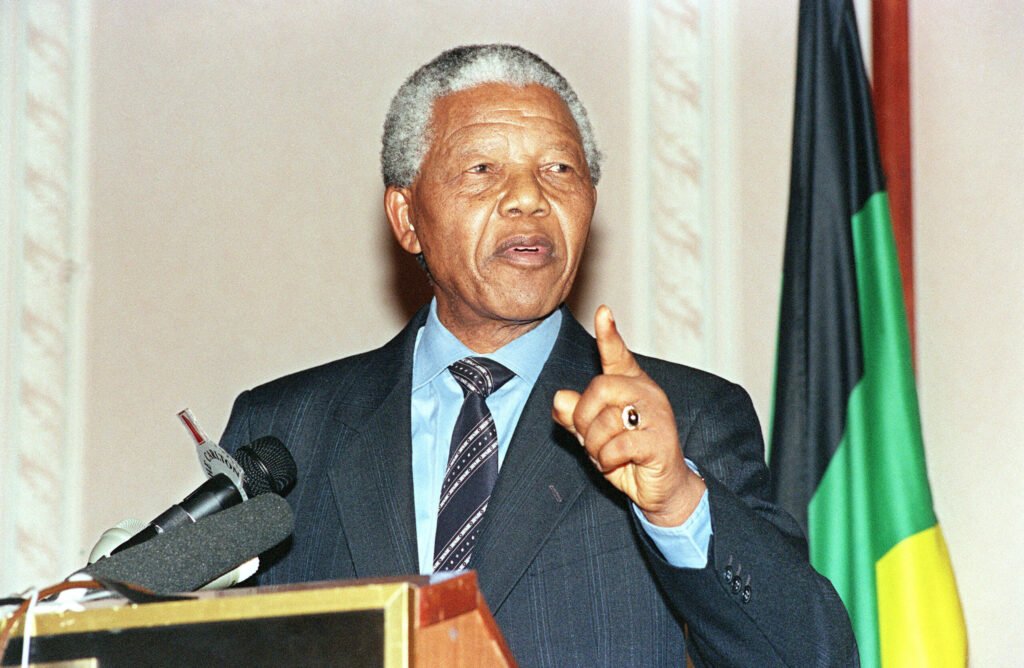
Politics comes with great responsibility. South African politicians must uphold values of transparency, honesty, and accountability.
Ethical conduct includes:
- Avoiding corruption or misuse of public funds.
- Representing the people fairly, regardless of race, gender, or background.
- Being open to public scrutiny and criticism.
- Declaring assets and avoiding conflicts of interest.
Voters trust leaders who stay true to their promises and act with integrity.
8. Networking and Building Alliances
Success in politics depends on relationships. You must learn to network effectively with other leaders, community members, and stakeholders.
Here’s how:
- Attend political conferences, community meetings, and public forums.
- Build connections with journalists and local media to raise awareness of your work.
- Collaborate with NGOs and civic organizations on community projects.
- Support other leaders’ initiatives to strengthen partnerships.
A strong network can open doors to mentorship and new political opportunities.
9. Using Social Media and Technology

In today’s world, digital presence is crucial. Social media helps politicians connect directly with citizens and share their message widely.
Tips for using digital tools effectively:
- Create a professional profile on Facebook, X (Twitter), and Instagram.
- Share informative content about policies, events, and community achievements.
- Engage respectfully with followers and avoid online arguments.
- Use video platforms like YouTube or TikTok to reach younger audiences.
Digital engagement helps you stay relevant and transparent in the eyes of voters.
10. Challenges of Being a Politician in South Africa
While a career in politics can be rewarding, being a politician in South Africa comes with several challenges that require resilience, dedication, and strong ethical standards. Understanding these challenges helps aspiring leaders prepare for the realities of public service.
Some of the key challenges include:
- Public scrutiny and criticism: Politicians are constantly in the public eye, and their decisions are closely examined by citizens, media, and opposition parties. This requires the ability to handle criticism constructively.
- Balancing personal life and public duties: Political roles often demand long hours, travel, and engagement with community issues, which can affect personal and family life.
- Financial pressures during campaigns: Running for office can be expensive, especially for independent candidates or those in competitive constituencies.
- Political rivalries and competition: Navigating party dynamics, elections, and opposition criticism can be challenging and sometimes stressful.
- Managing public expectations: Citizens expect effective governance and solutions to social issues, and meeting these expectations consistently requires skill and commitment.
- Corruption and ethical dilemmas: Maintaining integrity in an environment where unethical practices may occur is crucial for long-term credibility and public trust.
Despite these challenges, a career in politics can be highly fulfilling for those committed to public service. Successful politicians overcome obstacles through resilience, continuous learning, strong ethical standards, and a genuine focus on improving the lives of their constituents.
11. Salary and Benefits of Politicians in South Africa
The salary of a politician depends on their position and level of government. As of recent reports:
- Municipal councillors earn between R300,000 and R500,000 per year (depending on the municipality).
- Members of Provincial Legislatures (MPLs) earn around R1.2 million annually.
- Members of Parliament (MPs) earn approximately R1.2 million to R1.5 million per year.
- Cabinet ministers and deputy ministers earn between R2 million and R2.5 million annually.
While the pay is competitive, it should never be the main motivation. The true reward lies in making a lasting difference in people’s lives.
12. Key Qualities of a Successful Politician
To succeed in South African politics, it’s essential to possess certain key qualities that allow you to lead effectively, earn public trust, and make a meaningful impact. Politics is not just about holding office—it’s about serving people with integrity, vision, and dedication.
Some of the most important qualities include:
- Integrity: Always act honestly, transparently, and ethically. Voters respect leaders who stay true to their promises.
- Empathy: Understand and genuinely care about the challenges faced by citizens. This helps in creating policies that truly meet community needs.
- Strong Communication Skills: Be able to clearly convey ideas, listen actively, and engage with the public through speeches, media, and digital platforms.
- Confidence and Decisiveness: Make informed decisions confidently and take responsibility for the outcomes.
- Patience and Resilience: Political success often takes time. Leaders must persevere through setbacks and criticism.
- Adaptability: Politics is dynamic, and successful leaders adjust to changing circumstances and public needs.
- Commitment to Service: A true politician prioritizes the welfare of citizens over personal gain.
By developing and demonstrating these qualities, aspiring politicians can build credibility, inspire trust, and effectively represent their communities in South Africa’s democratic system. Success in politics comes not only from ambition but from the ability to lead with integrity and purpose.
13. Final Thoughts: Your Journey Starts Now
Becoming a politician in South Africa is a journey of dedication, learning, and service. You don’t need to come from a powerful family or have a lot of money what truly matters is your commitment to improving lives and strengthening democracy.
Start where you are. Volunteer, educate yourself, and get involved in your community. Every great political leader began by taking small steps toward a larger vision.
If your goal is to lead with integrity and bring positive change to your country, South Africa needs voices like yours.
✅ Key Takeaway:
Anyone can become a politician in South Africa with passion, persistence, and the right mindset. The path may be challenging, but it is also one of the most impactful ways to serve your nation.