
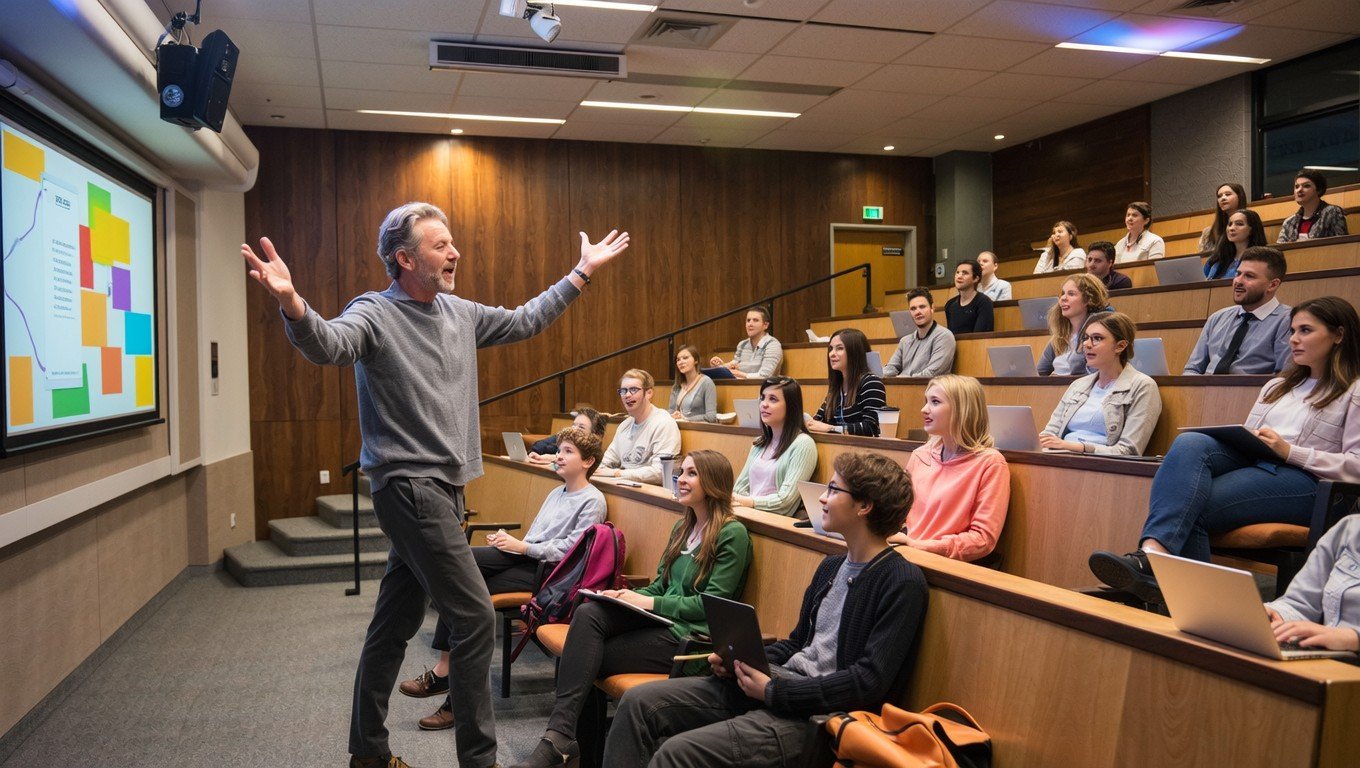
If you’ve ever wondered how to become a professor in South Africa, you’re not alone. Many people dream of teaching at universities, sharing their knowledge, conducting research, and inspiring the next generation of thinkers and professionals. But the path to becoming a professor can seem complicated, especially if you’re just starting out.
This comprehensive guide will walk you through every step of the journey from high school preparation all the way to earning the title of Professor. You’ll also learn about qualifications, skills, challenges, salaries, and tips to stand out in academia.
Table of Contents
What Does a Professor Do?
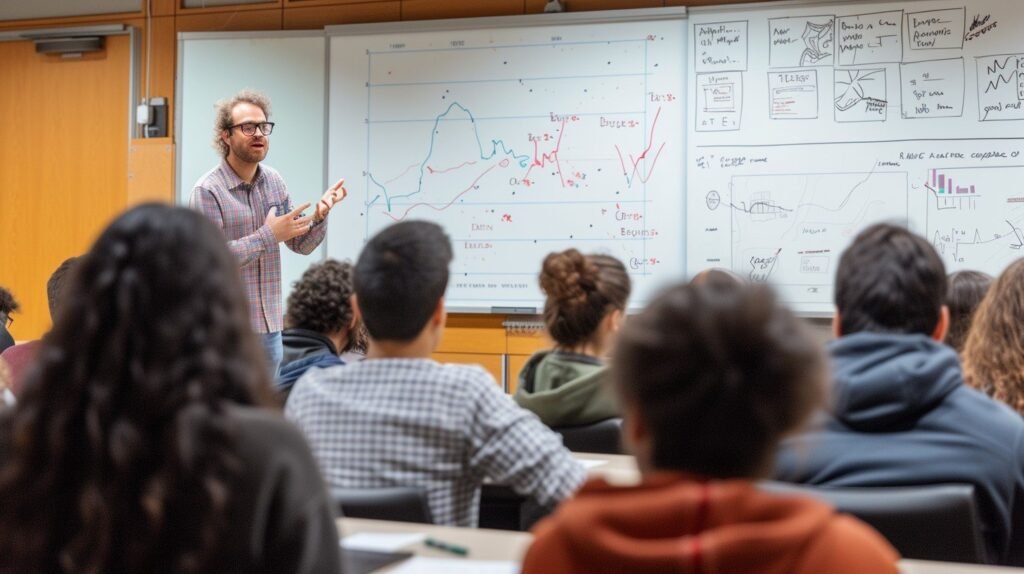
A professor is an expert in a particular academic field who teaches students at a university or college. Beyond teaching, professors also:
- Conduct original research in their field.
- Publish scholarly articles or books.
- Supervise postgraduate students (Master’s and PhD).
- Participate in university committees or projects.
- Attend and present at academic conferences.
- Mentor junior academics or researchers.
In South Africa, professors play a crucial role in both education and research, helping to build knowledge that benefits the nation and the global community.
Step 1: Complete Your Matric (High School Education)
Your journey begins with completing your Matric (Grade 12) and achieving good marks, particularly in subjects related to your future field of study. For example:
- If you want to become a professor of biology, focus on Life Sciences, Mathematics, and Physical Sciences.
- If you want to become a professor of law, focus on English, History, and Business Studies.
Tips for Success:
- Take part in school academic clubs or debate teams.
- Develop strong reading and writing skills early.
- Learn how to study effectively and manage your time key habits for future university success.
Step 2: Earn a Bachelor’s Degree

To become a professor, you must first earn a bachelor’s degree in your chosen field from an accredited South African university.
This degree typically takes three to four years to complete, depending on the subject and university. For example:
- Bachelor of Arts (BA) for Humanities and Social Sciences.
- Bachelor of Science (BSc) for Science-related fields.
- Bachelor of Commerce (BCom) for Business or Economics.
- Bachelor of Education (BEd) for Education and Teaching.
Why It Matters:
Your undergraduate degree gives you foundational knowledge in your discipline and introduces you to academic writing and research.
Step 3: Obtain an Honours Degree
After completing your bachelor’s degree, the next step is an Honours degree a one-year postgraduate qualification that deepens your understanding of your field.
During this year, you’ll typically:
- Take advanced coursework.
- Conduct a small research project or thesis.
- Learn how to analyze data and write academically.
Pro Tip:
Try to maintain high grades during your Honours year universities often use these results to determine your eligibility for master’s or PhD programs.
Step 4: Complete a Master’s Degree
To qualify for an academic career, you’ll need a Master’s degree in your chosen field. This usually takes one to two years and involves a combination of coursework and a research thesis.
During your master’s program, you’ll:
- Specialize in a specific research area.
- Learn how to conduct independent research.
- Write and defend a master’s dissertation.
At this stage, it’s important to start building your academic reputation attend conferences, publish papers if possible, and network with lecturers and researchers.
Step 5: Earn a Doctoral Degree (PhD)
The PhD (Doctor of Philosophy) is the highest academic qualification and is essential for anyone aspiring to become a professor.
A PhD usually takes three to five years and involves conducting original research that contributes new knowledge to your field.
During Your PhD, You’ll:
- Identify a research topic with a supervisor.
- Conduct extensive literature reviews.
- Design experiments or collect qualitative data.
- Write a lengthy thesis and defend it before a committee.
- Publish your research in academic journals.
Funding Tip:
Many South African universities and organizations (like the National Research Foundation (NRF)) offer scholarships or bursaries for postgraduate students. Explore funding early to focus on your studies full-time.
Step 6: Gain Teaching and Research Experience

Before you can become a full professor, you need teaching and research experience this usually starts while you’re still studying.
You can gain experience by:
- Working as a teaching assistant (TA) during your master’s or PhD.
- Applying for junior lecturer positions at universities.
- Assisting professors with research projects.
- Presenting at conferences or co-authoring papers.
This experience helps you develop key skills such as:
- Curriculum design and lesson planning.
- Public speaking and communication.
- Academic writing and publishing.
- Data analysis and problem-solving.
Step 7: Apply for a Lecturer Position
Once you’ve completed your PhD and gained some experience, you can apply for positions like Lecturer or Junior Lecturer at South African universities.
Typical Requirements for Lecturer Roles:
- A completed master’s or PhD (depending on the university).
- Evidence of research and academic writing.
- Teaching experience or potential.
- Strong communication and interpersonal skills.
Where to Find Jobs:
- University websites (such as Wits, UCT, UP, or Stellenbosch).
- Government and education job portals.
- Academic recruitment platforms (like HigherEdJobs or LinkedIn).
Step 8: Build a Strong Academic Portfolio
To advance in academia, you need to continuously build your academic portfolio a collection of your teaching, research, and service achievements.
Include in your portfolio:
- Peer-reviewed publications.
- Teaching evaluations.
- Grants or awards received.
- Conference presentations.
- Supervision of students.
- Participation in university committees.
This portfolio is essential for promotion to higher academic ranks such as Senior Lecturer, Associate Professor, and eventually, Professor.
Step 9: Get Promoted Through Academic Ranks
In South Africa, academic careers follow a structured path. Below is a common progression:
| Rank | Typical Qualification | Experience Required |
|---|---|---|
| Junior Lecturer | Master’s degree | Limited teaching experience |
| Lecturer | PhD or near completion | Some publications |
| Senior Lecturer | PhD | Proven research & teaching |
| Associate Professor | PhD | Strong research record & student supervision |
| Professor | PhD | Extensive publications & leadership in academia |
Promotion is based on merit, not just years of service. Universities consider your:
- Teaching quality.
- Research output (publications and citations).
- Supervision of postgraduate students.
- Leadership and community involvement.
Step 10: Continue Professional Development
Even after reaching professorship, learning never stops. Professors stay current in their field by:
- Conducting ongoing research.
- Attending academic conferences.
- Collaborating with international scholars.
- Mentoring younger academics.
- Writing and publishing new work.
This ensures that their teaching remains relevant, evidence-based, and innovative.
Essential Skills Needed to Become a Professor

Becoming a successful professor takes more than earning advanced degrees it also requires a unique set of skills and personal qualities that help you teach effectively, conduct research, and contribute to the academic community.
Here are some of the most important skills you’ll need:
1. Communication Skills
Professors must be able to explain complex ideas clearly to students from different backgrounds. Good communication also helps when presenting research findings, writing academic papers, or collaborating with colleagues.
2. Critical Thinking and Problem-Solving
In academia, critical thinking is key. Professors constantly analyze information, question existing ideas, and develop new perspectives. This ability helps them solve problems, guide research projects, and encourage creative thinking among students.
3. Research and Writing Skills
Strong research and writing skills are essential. Professors spend a lot of time reading, gathering data, and writing journal articles or books. Clear and accurate writing allows them to share their findings with others and build their reputation in their field.
4. Time Management
Professors often balance multiple responsibilities teaching, grading, meetings, and research. Excellent time management ensures that each task is completed efficiently and deadlines are met.
5. Mentoring and Leadership
Professors guide students and junior researchers, offering advice and encouragement. Having good leadership and mentoring skills helps create a supportive learning environment and inspires others to succeed.
6. Adaptability
Education and research are constantly changing. A good professor stays updated with new teaching methods, technology, and developments in their field. Being adaptable helps them remain effective and relevant.
7. Passion and Patience
Lastly, successful professors are passionate about their subject and patient with their students. Teaching and research can be challenging, but genuine enthusiasm and perseverance make the journey rewarding.
In short, becoming a professor isn’t just about knowledge it’s about using your skills to educate, inspire, and make a lasting impact in your field and on future generations.
Challenges of Becoming a Professor in South Africa

While becoming a professor in South Africa is a rewarding and respected career path, it also comes with several challenges that aspiring academics should be aware of. Understanding these obstacles can help you prepare and plan your journey more effectively.
1. Long Academic Journey
One of the biggest challenges is the length of education required. It can take more than 10 years to complete a bachelor’s degree, honours, master’s, and PhD along with gaining research and teaching experience. This demands patience, dedication, and long-term commitment.
2. Competitive Job Market
Academic positions, especially at top universities, can be limited. Many qualified graduates compete for a small number of lecturer or researcher roles. Building a strong research portfolio, publishing papers, and networking can help you stand out.
3. Research Funding
Access to research funding can be difficult, especially for early-career academics. Professors often need to apply for grants from organizations such as the National Research Foundation (NRF), which can be competitive and time-consuming.
4. Balancing Responsibilities
Professors juggle multiple tasks teaching, supervising students, attending meetings, conducting research, and publishing results. Managing all these responsibilities requires excellent organization and time management skills.
5. Pressure to Publish
In academia, career advancement often depends on the number and quality of research publications. The expectation to produce consistent, high-quality research can be stressful, especially when balancing teaching duties.
6. Limited Resources
Some universities, particularly in rural or developing areas, may face resource constraints, such as limited access to laboratories, libraries, or research tools. This can make it harder to conduct advanced studies.
Despite these challenges, many South African professors find their work deeply fulfilling. With passion, perseverance, and a clear plan, it’s possible to overcome these obstacles and build a meaningful academic career that contributes to education and society.
Rewards of Becoming a Professor

Although the journey to becoming a professor is long and challenging, the rewards make it truly worthwhile. Professors enjoy a unique and fulfilling career that allows them to make a lasting difference in both education and society.
1. Intellectual Fulfillment
One of the greatest rewards is the opportunity for lifelong learning. Professors spend their careers exploring ideas, solving problems, and expanding knowledge. Every research project or lecture brings new discoveries and insights, which makes the work mentally stimulating and exciting.
2. Making a Difference
Professors have a direct impact on the lives of their students. Through teaching and mentorship, they help young people reach their potential and develop skills that will shape their futures. Many professors find great joy in seeing their students succeed academically and professionally.
3. Job Stability and Respect
Academic careers often offer long-term stability and strong professional recognition. Professors are highly respected members of society, valued for their expertise and contribution to national development through education and research.
4. Flexibility and Independence
Unlike many other careers, professors often have flexible schedules and the freedom to design their own research projects or teaching methods. This independence allows them to pursue their passions and manage their time in ways that suit their professional goals.
5. Opportunities for Collaboration
Professors frequently work with other experts, both locally and internationally. These collaborations can lead to exciting projects, publications, and travel opportunities to academic conferences or research institutions around the world.
6. Personal Growth and Legacy
Beyond academic achievements, being a professor brings a deep sense of personal satisfaction. Professors not only gain knowledge but also build a legacy inspiring future generations and contributing to the advancement of society.
In short, the rewards of becoming a professor go far beyond financial benefits. It’s a career built on knowledge, passion, and purpose one that allows you to inspire others, challenge ideas, and make a lasting impact on the world.
Salary Expectations in South Africa
Salaries vary depending on experience, qualifications, and the university. According to recent data:
| Academic Rank | Estimated Monthly Salary (ZAR) |
|---|---|
| Junior Lecturer | R25,000 – R40,000 |
| Lecturer | R40,000 – R60,000 |
| Senior Lecturer | R60,000 – R85,000 |
| Associate Professor | R85,000 – R110,000 |
| Full Professor | R110,000 – R150,000+ |
Note: Salaries may differ between universities and regions.
Where to Study in South Africa
Several universities in South Africa are known for academic excellence and strong research programs. Some top options include:
- University of Cape Town (UCT)
- University of the Witwatersrand (Wits)
- University of Pretoria (UP)
- Stellenbosch University
- University of KwaZulu-Natal (UKZN)
- North-West University (NWU)
- Rhodes University
- University of Johannesburg (UJ)
Each of these institutions offers programs that can lead you toward an academic career and eventual professorship.
Tips for Aspiring Professors
- Find your passion early. Choose a subject you truly love you’ll be studying and teaching it for years.
- Publish often. Start with small research papers and grow your portfolio.
- Network. Build relationships with lecturers, mentors, and other academics.
- Be patient. Academic careers take time success doesn’t happen overnight.
- Seek mentorship. Learn from professors who have already achieved what you aspire to.
- Stay ethical. Always maintain integrity in research and teaching.
Frequently Asked Questions (FAQ)

1. How long does it take to become a professor in South Africa?
It typically takes around 10 to 15 years, depending on your field, study pace, and experience. The timeline includes completing your degrees and gaining research and teaching experience.
2. Can I become a professor without a PhD?
In most cases, a PhD is essential to become a full professor. However, some universities may hire lecturers or senior lecturers with a master’s degree and significant experience.
3. Do professors in South Africa need teaching qualifications?
Not necessarily. While professors are expected to teach, their qualifications are usually in their academic field rather than education. However, some universities encourage additional higher education teaching certificates.
4. Is it hard to get a professorship?
It’s competitive, but achievable with dedication, consistent research output, and strong teaching experience.
5. What is the difference between a lecturer and a professor?
A lecturer typically teaches undergraduate courses, while a professor has more experience, supervises research students, and contributes heavily to academic research.
Conclusion
Becoming a professor in South Africa is a long but deeply rewarding journey. It requires academic excellence, passion for learning, and commitment to research and teaching.
From completing your matric to earning your PhD and climbing through university ranks, every step you take builds toward a meaningful career where you can inspire, educate, and make lasting contributions to society.
If you’re passionate about a subject, curious about the world, and ready to work hard then becoming a professor might just be the perfect path for you.
✅ Key Takeaway:
To become a professor in South Africa, complete your bachelor’s, honours, master’s, and PhD degrees, gain teaching and research experience, publish your work, and build a strong academic reputation over time.