
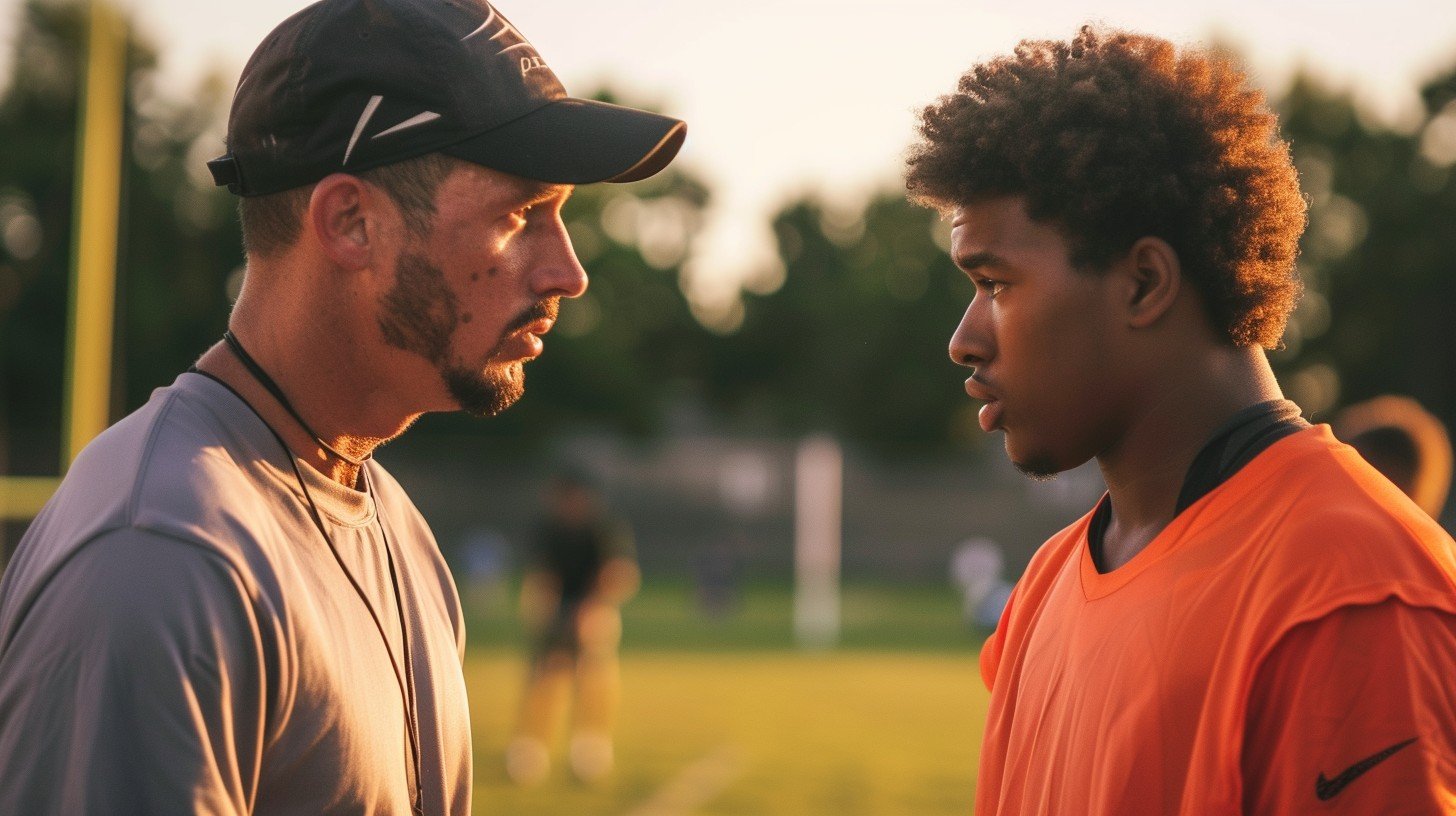
Are you passionate about soccer and dream of guiding players to success on the field? If so, learning how to become a soccer coach could be the perfect career path for you. Whether you want to coach kids at a local club, train high school athletes, or even manage professional teams, becoming a soccer coach requires dedication, knowledge, and a structured approach.
In this comprehensive guide, we’ll cover everything you need to know from required skills and qualifications to career paths and tips for success.
Table of Contents
Why Become a Soccer Coach?

If you’re passionate about soccer, you may have wondered why so many people choose to become soccer coaches. The truth is, coaching is more than just teaching players how to pass, shoot, or defend it’s about mentorship, leadership, and shaping lives. Whether you’re aiming to coach at the grassroots level, work with teenagers, or manage professional players, becoming a soccer coach can be an incredibly rewarding and impactful career.
Here are some compelling reasons why you might consider this path:
1. Turn Your Passion into a Career
Soccer isn’t just a sport; for millions of people, it’s a lifestyle. If you love the game, becoming a coach allows you to work in an environment where your passion thrives. Instead of sitting on the sidelines as a fan, you’ll be directly involved in shaping strategies, training players, and guiding teams toward success.
For many coaches, this doesn’t even feel like work it feels like living their dream.
2. Inspire and Mentor Players
One of the most fulfilling parts of coaching is helping players reach their full potential. Whether you’re working with children, teenagers, or adults, you’ll play a direct role in developing their skills, confidence, and teamwork abilities.
As a coach, you don’t just teach soccer techniques you become a mentor and role model. Players often look up to their coaches for guidance, not only in sports but also in life. This gives you the unique opportunity to shape positive habits, sportsmanship, and discipline in your players.
3. Create Lasting Impact
Great coaches leave lasting impressions on the lives of their players. You’re not just helping them win matches you’re teaching life lessons about dedication, perseverance, handling failure, and celebrating success.
For example, a youth coach may inspire a child to stay active, develop teamwork skills, and build self-confidence that benefits them for years to come. That sense of impact is what makes coaching so meaningful.
4. Endless Career Opportunities
Soccer is the most popular sport in the world, and the demand for qualified coaches is constantly growing. From local community teams to professional leagues, opportunities exist at multiple levels:
- Youth and school programs – Perfect for beginners who want to start coaching kids.
- High school and college soccer – Offers more competitive coaching roles.
- Professional clubs and academies – For those aiming to work at the highest levels.
- Private coaching – Personalized training sessions for players looking to improve.
The path you choose depends on your goals, but the possibilities are diverse and rewarding.
5. Lifelong Learning and Growth
Soccer is constantly evolving with new tactics, training techniques, and technologies. As a coach, you’ll always be learning attending workshops, studying matches, and experimenting with strategies.
This keeps the job exciting and dynamic. Every season brings fresh challenges, making coaching a career where personal and professional growth never stops.
6. Be Part of a Global Community
When you become a soccer coach, you join a passionate community of people who love the game as much as you do. From local club managers to international professionals, there’s an entire network of coaches exchanging knowledge, strategies, and experiences.
This sense of belonging is one of the most satisfying aspects of coaching. You’re not just working a job you’re contributing to a global sport that unites people across cultures and countries.
7. Flexibility and Variety
Another reason many people choose this path is the flexibility it offers. You can coach part-time while keeping another career, or go full-time if you’re aiming for higher levels. You might specialize in training children, work with elite athletes, or focus on tactical analysis the role can be tailored to your interests and lifestyle.
Final Thoughts
Becoming a soccer coach is much more than leading practices and calling out plays. It’s about passion, leadership, and impact. You’ll inspire players, contribute to the growth of the sport, and experience personal fulfillment along the way.
If you love soccer and want to make a difference on and off the field, coaching can be one of the most rewarding journeys you’ll ever take.
Step 1: Understand the Role of a Soccer Coach

Before you start, it’s important to understand what a soccer coach does. A coach’s responsibilities go far beyond setting up drills and giving halftime speeches.
Key Responsibilities:
- Designing and leading training sessions.
- Teaching technical skills such as passing, shooting, dribbling, and defending.
- Developing tactical strategies and game plans.
- Analyzing performance and improving weaknesses.
- Motivating and mentoring players on and off the pitch.
- Managing team dynamics and resolving conflicts.
A good coach balances technical knowledge, leadership, and communication skills to create an environment where players can thrive.
Step 2: Develop Essential Skills
If you want to know how to become a soccer coach, you need to start by developing the right skill set.
Core Coaching Skills:
- Deep understanding of soccer – Rules, strategies, and techniques.
- Leadership and motivation – Inspire players to perform their best.
- Communication skills – Clearly explain drills, tactics, and expectations.
- Patience and empathy – Especially important when coaching beginners or kids.
- Problem-solving – Adapt to unexpected situations during matches or training.
These skills can be developed through practice, mentorship, and formal education.
Step 3: Gain Playing or Coaching Experience
While it’s not mandatory to have been a professional player, having experience playing soccer can make you a better coach. It helps you understand the challenges athletes face and allows you to relate to your players.
Ways to Gain Experience:
- Join local amateur or recreational soccer leagues.
- Volunteer to coach youth teams.
- Assist experienced coaches and learn from their methods.
- Watch professional matches and study tactics.
Starting at the grassroots level gives you hands-on exposure and builds your confidence.
Step 4: Get Certified as a Soccer Coach
One of the most important steps in becoming a soccer coach is earning coaching certifications. Certification ensures you understand the technical, tactical, physical, and psychological aspects of coaching.
Popular Certification Paths:
- United States – U.S. Soccer Federation (USSF) offers coaching licenses ranging from grassroots courses to the Pro License.
- Europe – UEFA licenses (C, B, A, and Pro) are internationally recognized.
- FIFA Courses – Provide global standards for coaching education.
Why Certification Matters:
- Enhances your credibility.
- Increases your employment opportunities.
- Equips you with modern coaching techniques.
Most grassroots certifications are affordable and beginner-friendly, making them a great starting point.
Step 5: Understand Different Coaching Levels
Your path depends on what level of soccer you want to coach.
| Coaching Level | Requirements | Average Salary Range |
|---|---|---|
| Youth/Grassroots Teams | Basic coaching certification | Volunteer to $15,000/year |
| High School Teams | State certifications, experience | $20,000 – $60,000/year |
| College Soccer | Higher coaching licenses | $40,000 – $100,000/year |
| Professional Clubs | Advanced certifications (UEFA A/Pro) | $100,000+ annually |
Start small and work your way up as you gain experience and qualifications.
Step 6: Build Your Soccer Knowledge Continuously
Soccer is constantly evolving, with new tactics, training methods, and technologies emerging every year. Successful coaches stay updated by:
- Attending workshops and coaching clinics.
- Networking with other coaches.
- Studying modern formations and playing styles.
- Using performance analytics and video analysis tools.
Continuous learning keeps you competitive and relevant in the coaching world.
Step 7: Gain Practical Coaching Experience
To become a successful soccer coach, theory isn’t enough you need real coaching experience.
Tips to Get Started:
- Volunteer locally – Offer to coach at schools or community clubs.
- Start as an assistant coach – Learn from experienced mentors.
- Intern with soccer academies – Many accept entry-level trainees.
- Create your own training sessions – Build your portfolio to showcase your coaching style.
Hands-on experience builds confidence and prepares you for higher-level roles.
Step 8: Build a Professional Network
Like most careers, networking is essential in soccer coaching. Connecting with other coaches, club managers, and sports organizations can open doors to better opportunities.
How to Network Effectively:
- Join local and national coaching associations.
- Attend coaching seminars and soccer conferences.
- Engage on online platforms like LinkedIn and soccer coaching forums.
A strong network can help you find job openings and mentorship opportunities.
Step 9: Understand Sports Psychology
Modern coaching goes beyond physical skills. To become a successful soccer coach, you need to understand your players’ mindset.
Key psychological elements include:
- Motivation – Keeping players focused and driven.
- Confidence building – Helping athletes overcome self-doubt.
- Team cohesion – Fostering strong relationships within the squad.
- Stress management – Teaching players to perform under pressure.
Understanding sports psychology improves both individual and team performance.
Step 10: Start Applying for Coaching Positions
Once you have experience and certifications, it’s time to start applying for jobs.
Where to Look:
- Local clubs and academies.
- High schools and colleges.
- Online job boards like Indeed, TeamWork Online, and LinkedIn.
- National soccer associations’ job postings.
Make sure to prepare a strong coaching resume highlighting:
- Certifications and licenses.
- Coaching or playing experience.
- Relevant achievements and results.
Tips for Becoming a Successful Soccer Coach

Becoming a soccer coach is one thing, but becoming a successful soccer coach takes dedication, continuous learning, and strong leadership. Coaching is not just about teaching players how to pass, shoot, or defend it’s about motivating teams, building relationships, and guiding players to reach their full potential.
Here are some practical, beginner-friendly tips that will help you stand out and succeed as a soccer coach:
1. Build a Strong Understanding of the Game
To be an effective coach, you need more than just a love for soccer you must deeply understand the sport. This includes:
- Mastering the rules of the game.
- Learning different playing formations and tactics.
- Understanding offensive and defensive strategies.
- Analyzing game patterns and adapting to opponents.
Tip: Watch professional matches, study various coaching methods, and learn from experienced coaches to constantly improve your knowledge.
2. Focus on Player Development, Not Just Winning
While winning matches is exciting, your main priority should be helping players improve. Successful coaches focus on:
- Enhancing technical skills like passing, dribbling, and shooting.
- Teaching teamwork and communication on the field.
- Developing players’ confidence and mental strength.
When players grow individually and as a team, winning naturally follows.
3. Communicate Clearly and Effectively
Good communication is one of the most valuable skills a coach can have. Whether you’re working with children, teenagers, or professionals, your ability to explain tactics, motivate players, and provide constructive feedback is key to success.
Tips for better communication:
- Keep instructions simple and clear.
- Encourage open discussions with your team.
- Listen to your players’ concerns and suggestions.
Strong communication builds trust, which directly improves team performance.
4. Lead by Example
Players often look up to their coaches as role models. To inspire respect and loyalty, you should:
- Be punctual and well-prepared for training sessions.
- Maintain a positive attitude, even during setbacks.
- Show good sportsmanship, whether you win or lose.
When your team sees your dedication, discipline, and professionalism, they’re more likely to mirror those behaviors.
5. Be Adaptable and Open to Change
Soccer is an ever-evolving sport, and what works today might not work tomorrow. The best coaches are flexible and open to new ideas:
- Experiment with different formations and tactics.
- Adjust your coaching style based on the players’ needs.
- Stay updated with modern coaching techniques and technologies.
Adaptability ensures your team can handle any challenge on the field.
6. Learn to Motivate Your Players
A motivated team performs better. However, motivation isn’t a one-size-fits-all approach different players respond to different techniques.
Ways to keep players motivated:
- Celebrate small wins and personal progress.
- Set realistic, achievable goals.
- Create a supportive and fun environment during training.
When players feel valued and encouraged, they’re more likely to give their best effort.
7. Develop Strong Leadership Skills
Leadership goes beyond giving instructions it’s about inspiring, guiding, and empowering your players. Successful coaches:
- Take responsibility for both wins and losses.
- Keep the team focused during high-pressure situations.
- Resolve conflicts calmly and fairly.
Great leaders create a positive culture that keeps the entire team united and motivated.
8. Build Strong Relationships with Your Team
Players perform best when they feel supported and understood. To build trust and rapport:
- Take time to learn about your players’ strengths, weaknesses, and goals.
- Be approachable and available for individual guidance.
- Foster teamwork by organizing activities outside regular training sessions.
Good relationships make coaching more enjoyable and lead to better results on the field.
9. Keep Learning and Improving
Even the most experienced coaches never stop learning. To stay competitive and effective:
- Attend coaching workshops and certifications.
- Network with other coaches and exchange ideas.
- Study professional-level matches and tactics.
The more knowledge you gain, the more effective your coaching methods will become.
10. Be Patient and Stay Committed
Coaching is a journey, not a sprint. Players will make mistakes, strategies won’t always work, and setbacks are inevitable. The key is to remain patient, positive, and persistent.
Remember:
- Development takes time.
- Consistency builds results.
- Commitment inspires your players to stay dedicated too.
Final Thoughts
Success as a soccer coach isn’t about having the most advanced tactics or the strongest players it’s about developing your team, building trust, and continuously improving yourself. By combining passion, patience, and effective leadership, you’ll create an environment where players thrive and teams succeed.
Common Challenges Soccer Coaches Face

Becoming a soccer coach is rewarding, but it’s not without its challenges. From managing different personalities to handling performance pressures, coaches often face obstacles that test their patience, leadership, and adaptability. Understanding these challenges ahead of time can help you prepare better, improve your skills, and become a more effective coach.
Here are some of the most common challenges soccer coaches encounter and tips on how to overcome them:
1. Balancing Winning and Player Development
One of the toughest dilemmas for any coach is striking the right balance between winning games and developing players.
- Focusing only on winning can lead to neglecting younger or less-skilled players.
- Focusing too much on development may result in losing matches, which can frustrate competitive players, parents, or management.
How to Overcome It:
Prioritize long-term player growth over short-term success. When players improve their skills, confidence, and understanding of the game, winning naturally follows.
2. Managing Team Dynamics and Personalities
Every player is different some are confident and outspoken, while others are quiet and reserved. As a coach, you need to create harmony within a diverse group of individuals.
Challenges you might face include:
- Conflicts between teammates.
- Ego clashes among skilled players.
- Players struggling to fit into the team environment.
How to Overcome It:
- Foster open communication and teamwork.
- Set clear expectations for respect and collaboration.
- Organize team-building activities to strengthen bonds.
3. Handling Pressure from Parents, Management, and Fans
At every level of soccer, external pressures can be challenging. Parents may push for their child to get more playtime, club management may demand better results, and fans expect consistent wins.
How to Overcome It:
- Maintain professionalism and transparency in your decisions.
- Communicate openly with parents, explaining player development goals.
- Focus on your coaching philosophy instead of outside opinions.
Remember, not everyone will agree with your decisions and that’s okay.
4. Limited Resources and Budgets
Many grassroots and community-level coaches face financial and resource limitations. You may not always have access to proper equipment, quality fields, or enough assistants to run training effectively.
How to Overcome It:
- Be creative with drills using minimal equipment.
- Seek sponsorships or local funding for your team.
- Collaborate with other coaches to share resources and ideas.
Resource constraints can be frustrating, but they also encourage innovative coaching solutions.
5. Keeping Players Motivated
Keeping an entire squad motivated especially after tough losses can be challenging. Some players may feel discouraged, while others might lose focus during long seasons.
How to Overcome It:
- Set short-term, achievable goals to maintain excitement.
- Recognize individual and team progress, not just results.
- Celebrate small successes and personal improvements.
When players feel appreciated and supported, their motivation and effort improve naturally.
6. Adapting to Different Skill Levels
In many teams, especially at the youth level, players have varying skill levels. Coaching beginners alongside experienced players can be challenging because their needs differ significantly.
How to Overcome It:
- Group players by skill level during certain drills.
- Provide personalized feedback and development plans.
- Encourage experienced players to mentor newer ones.
Balancing your coaching approach ensures every player feels included and valued.
7. Dealing with Injuries and Player Well-being
Injuries are a reality in sports, and coaches must handle them carefully to protect players’ health and careers.
Challenges Include:
- Preventing injuries through proper warm-ups and conditioning.
- Managing player recovery periods.
- Supporting injured players mentally while they’re sidelined.
How to Overcome It:
- Prioritize safety in training and matches.
- Collaborate with medical professionals when necessary.
- Provide emotional support to keep injured players connected to the team.
8. Staying Updated with Modern Coaching Trends
Soccer evolves constantly from tactical innovations to technological advancements like video analysis and performance tracking. Falling behind can limit your effectiveness as a coach.
How to Overcome It:
- Attend coaching workshops, seminars, and certifications.
- Study professional games and analyze modern tactics.
- Use available technology to improve training and performance reviews.
A commitment to continuous learning sets successful coaches apart from the rest.
9. Managing Time Effectively
Between planning training sessions, analyzing matches, mentoring players, and communicating with management, time management becomes a real challenge.
How to Overcome It:
- Create structured weekly plans for training and matches.
- Delegate responsibilities where possible, especially if you have assistant coaches.
- Use digital tools or apps to organize schedules efficiently.
Good time management ensures you can focus on both team performance and personal development.
10. Coping with Personal Stress and Burnout
Coaching can be stressful, especially when balancing high expectations, constant travel, and competitive environments. Without proper management, stress can lead to burnout.
How to Overcome It:
- Set realistic goals for yourself and your team.
- Maintain a healthy work-life balance.
- Seek support from fellow coaches or mentors when needed.
Taking care of yourself is just as important as taking care of your players.
Summary
Becoming a soccer coach comes with challenges, but each obstacle is an opportunity to grow. By staying patient, adaptable, and focused on player development, you’ll be better equipped to handle conflicts, motivate your team, and achieve long-term success.
Remember: the best coaches embrace challenges as part of the journey and use them to become stronger leaders.
Conclusion
Learning how to become a soccer coach is a journey that combines passion, education, and experience. Start small, build your skills, get certified, and continue improving your knowledge of the game. Whether you want to coach kids, college athletes, or professionals, there’s a path for you if you’re committed to putting in the work.
With patience and dedication, you can turn your love of soccer into a fulfilling and impactful career.
Key Takeaways
- Start by understanding the role and responsibilities of a coach.
- Develop essential coaching and leadership skills.
- Gain experience at grassroots levels and work your way up.
- Obtain proper certifications for your desired coaching level.
- Build a strong network and continuously learn modern strategies.