

How to become a therapist is a question many high school students ask when they feel passionate about helping others improve their mental health. If you’re someone who cares deeply about others and enjoys listening, solving problems, and making a positive impact, becoming a therapist could be the perfect career for you.
This guide is designed specifically for high school students like you those who are interested in mental health but don’t know where to start. By the end of this article, you’ll have a clear understanding of what therapists do, the education required, different types of therapy careers, salary expectations, job outlook, and actionable steps to begin your journey today.
Table of Contents
What Is a Therapist?
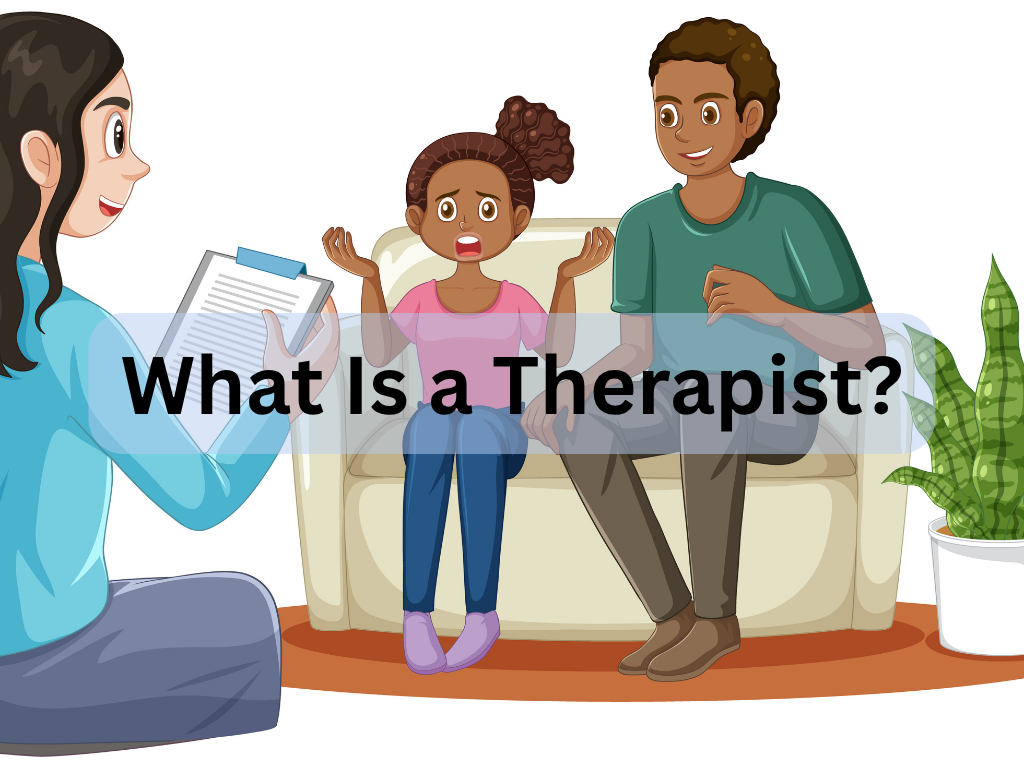
A therapist is a mental health professional trained to help people cope with emotional, psychological, or behavioral problems. Therapists work with individuals, couples, families, and groups to manage stress, overcome trauma, resolve conflicts, and lead healthier, more fulfilling lives.
Common Responsibilities of Therapists:
- Conducting therapy sessions to discuss clients’ challenges
- Identifying emotional or mental disorders
- Creating personalized treatment plans
- Teaching coping mechanisms and emotional regulation techniques
- Keeping detailed, confidential records
- Collaborating with other healthcare professionals when necessary
Therapists use evidence-based approaches such as cognitive behavioral therapy (CBT), talk therapy, mindfulness, and more, depending on their specialization and client needs.
Why Choose Therapy as a Career?
Therapy is more than a job it’s a calling. As a therapist, you have the power to change lives for the better, one session at a time. People turn to therapists during some of the hardest times of their lives, and your ability to listen, support, and guide can have a lasting impact.
Benefits of Becoming a Therapist:
- Emotionally fulfilling work
- Job security and growing demand
- Opportunities to work in diverse environments
- Flexible work schedules (especially in private practice)
- Potential for personal and professional growth
If you’re a compassionate, patient, and curious person, becoming a therapist may be a natural fit.
Different Types of Therapists
Therapy is a broad field with many specializations. Here are the most common types of therapists you might consider:
| Type of Therapist | Focus Area | Common Work Settings |
|---|---|---|
| Mental Health Counselor | Anxiety, depression, trauma, grief | Clinics, hospitals, private practice |
| Marriage & Family Therapist (MFT) | Relationships and family dynamics | Private practice, family centers |
| School Counselor | Student development and wellbeing | Elementary to high schools |
| Clinical Psychologist | Severe mental illnesses, research | Hospitals, academic institutions |
| Substance Abuse Counselor | Addiction recovery | Rehab centers, prisons, clinics |
| Child & Adolescent Therapist | Youth behavior and development | Schools, private practice |
| Behavioral Therapist | Cognitive and behavior issues (e.g., OCD, phobias) | Clinics, schools, private offices |
| Occupational Therapist | Daily functioning skills | Rehab centers, hospitals |
Each of these careers has unique educational and licensing requirements, which we’ll break down next.
Key Skills and Qualities You’ll Need
Beyond degrees and certifications, the most successful therapists possess specific personality traits and soft skills. If you have some of the following qualities, you’re already on the right track:
- Empathy: The ability to understand and share others’ emotions
- Active Listening: Focusing fully on the speaker and offering thoughtful feedback
- Emotional Intelligence: Managing your own emotions while helping others regulate theirs
- Strong Communication: Explaining complex ideas clearly and compassionately
- Cultural Sensitivity: Respecting diverse backgrounds, values, and experiences
- Problem-Solving: Helping clients find practical and emotional solutions
- Ethical Integrity: Upholding confidentiality and professional boundaries
Step-by-Step: How to Become a Therapist

Here’s the complete roadmap from high school to becoming a licensed therapist:
Step 1: Focus on High School Preparation
Starting early makes a big difference. Here’s what you can do in high school:
✅ Take relevant courses:
- Psychology (if offered)
- Biology or human anatomy
- Health sciences
- Sociology
- English or writing classes
✅ Get involved in:
- Peer support or mentoring groups
- Student leadership positions
- Volunteer opportunities (mental health clinics, crisis lines, youth centers)
- Community service projects
- Mental health awareness clubs or campaigns
✅ Build good study habits and communication skills. A strong GPA will help you get into competitive college programs later on.
Step 2: Earn a Bachelor’s Degree (4 years)
After graduating high school, you’ll need a bachelor’s degree from an accredited university. While you can major in many fields, the most relevant ones include:
- Psychology
- Social Work
- Sociology
- Human Development
- Counseling
- Education (especially for school counselors)
During college, make the most of your experience:
- Join psychology or health-related clubs
- Get internships or part-time jobs in healthcare or social services
- Attend mental health seminars and conferences
- Build relationships with professors for future recommendations
Step 3: Choose a Specialization and Attend Graduate School (2–3 years)
Most therapy careers require a master’s degree, which focuses on your specific area of interest.
Here’s what that might look like:
| Specialization | Master’s Degree |
|---|---|
| Mental Health Counselor | MA or MS in Clinical Psychology |
| Marriage and Family Therapist | MA in Marriage & Family Therapy |
| School Counselor | M.Ed. in School Counseling |
| Clinical Social Worker | MSW (Master of Social Work) |
Graduate programs include both classroom education and clinical practicum hours, where you’ll gain hands-on experience working with real clients under supervision.
Step 4: Complete Supervised Clinical Training
After graduate school, you’ll need 1,500 to 4,000 hours of supervised clinical experience, depending on your location and type of license. This step is crucial in helping you:
- Apply theories in real-life settings
- Get feedback and mentorship from licensed professionals
- Learn to handle challenging cases with care
You may do this through internships, fellowships, or paid positions in schools, hospitals, or community centers.
Step 5: Obtain Your Professional License
Each country or state has its own licensing board. Most require:
- A completed master’s degree
- Supervised clinical hours
- Passing a national or regional licensing exam
Some common exams include:
- NCMHCE (National Clinical Mental Health Counseling Exam)
- LPC exam (Licensed Professional Counselor)
- ASWB (Association of Social Work Boards)
- MFT exam (Marriage and Family Therapist Exam)
After passing the exam, you can officially call yourself a licensed therapist!
Step 6: Start Your Career!
Now you’re ready to work! You might choose to:
- Join an existing clinic or hospital
- Work in a school as a counselor
- Partner with nonprofit organizations
- Open your own private practice (with additional business training)
Therapists often continue learning throughout their careers by attending workshops, earning certifications, and participating in supervision groups.
Career Settings for Therapists
Depending on your specialization, you can work in various environments:
- Private Practices – One-on-one client sessions, self-scheduled
- Schools and Universities – Help students cope with academic and emotional issues
- Hospitals and Clinics – Work alongside psychiatrists, nurses, and social workers
- Rehabilitation Centers – Support recovery from trauma or substance use
- Nonprofit Organizations – Offer counseling services to underserved populations
- Corporate Offices – Provide employee wellness and mental health support
- Remote Therapy Platforms – Offer online therapy through video or phone
Salary Expectations (By Role and Experience)

Therapist salaries vary by country, location, and experience. Here’s a general breakdown:
| Role | Starting Salary | Experienced Salary |
|---|---|---|
| Mental Health Counselor | $45,000 | $65,000+ |
| School Counselor | $50,000 | $80,000+ |
| Marriage & Family Therapist | $55,000 | $85,000+ |
| Clinical Psychologist | $70,000 | $120,000+ |
| Social Worker | $45,000 | $70,000+ |
Private practice therapists may earn much more, especially if they build a strong client base.
Job Outlook: The Future of Therapy Careers
The job outlook for therapists is extremely positive. According to the U.S. Bureau of Labor Statistics:
- Mental health counseling jobs are expected to grow 18% between 2022 and 2032.
- School counseling and substance abuse counseling are also seeing high demand.
- Online therapy platforms have opened new opportunities for virtual counseling roles.
Mental health is no longer a taboo topic it’s a global priority. As more people seek help, the demand for qualified, compassionate therapists continues to rise.
How to Get a Head Start Now (While You’re in High School)

You don’t have to wait until college to begin your journey. Here are some practical steps you can take right now:
✅ Read psychology books like The Man Who Mistook His Wife for a Hat or Emotional Intelligence
✅ Watch documentaries on mental health (e.g., Stutz, The Mind Explained)
✅ Listen to podcasts about therapy and human behavior
✅ Shadow a school counselor or family therapist (if possible)
✅ Take free online courses on platforms like Coursera or Khan Academy
✅ Join peer mentoring programs at school
✅ Volunteer for organizations that support youth, addiction recovery, or mental wellness
Challenges to Expect on This Path
While rewarding, becoming a therapist comes with its own set of challenges:
- Lengthy Education Path – It takes 6–10 years to complete the required education and training.
- Emotional Burnout – Listening to emotional stories can be draining without proper self-care.
- Licensing Hurdles – Exams and clinical hours require discipline and commitment.
- Tuition Costs – Higher education can be expensive, though financial aid and scholarships can help.
- Building Experience – It can take time to build a steady flow of clients or gain reputation.
The good news? These challenges are manageable especially if you stay motivated, seek mentorship, and focus on your goals.
Summary: What You Need to Remember
Here’s a recap of how to become a therapist:
- Finish high school with a strong academic foundation and mental health-related activities.
- Get a bachelor’s degree in psychology, counseling, or related fields.
- Pursue a master’s degree in your area of specialization.
- Complete supervised clinical hours to gain real-world experience.
- Pass licensing exams to become a certified therapist.
- Start your career in the setting that suits your interests and skills.
It’s a long road but one that leads to a fulfilling, impactful, and stable career.
FAQs: How to Become a Therapist
Q: How long does it take to become a therapist?
A: Typically 6–8 years including 4 years of college, 2–3 years of graduate school, and additional clinical training.
Q: What is the difference between a counselor and a therapist?
A: The terms are often used interchangeably, though counselors typically focus on specific issues (like school or addiction), while therapists may offer broader mental health support.
Q: Can I work internationally as a therapist?
A: Yes, but you may need to meet additional licensing or certification requirements depending on the country.
Q: What if I want to start a private practice?
A: After licensing, you can start your own practice, but you’ll need to learn about business management, marketing, and legal requirements.
Final Words of Encouragement
You’re already ahead of many others simply by asking, “How do I become a therapist?” That curiosity and drive will take you far.
This career path requires dedication, patience, and continuous learning, but the reward is incredible: making a difference in someone’s life every single day. Whether you choose to help children, families, couples, or individuals, your work will matter.
Start small, stay consistent, and never be afraid to ask questions or seek guidance. The world needs more compassionate people like you.