

If you’re searching for how to write a CV in South Africa, you’re not alone. Thousands of job seekers across the country struggle to create a professional CV that truly stands out. Your CV (Curriculum Vitae) is often the first impression you make on a potential employer, and a well-written one can open doors to exciting career opportunities.
Whether you’re a recent graduate, changing careers, or simply updating your old CV, this guide will walk you through everything you need to know from layout to wording so you can create a polished, job-ready document that captures attention.
Table of Contents
1. What Is a CV and Why Is It Important?

A CV (Curriculum Vitae) is a detailed document that outlines your education, work experience, skills, and achievements. It acts as your personal marketing tool when applying for jobs. In simple terms, your CV tells employers who you are, what you’ve done, and why you’re the right fit for the position.
In South Africa, most employers use your CV to decide whether to invite you for an interview. A well-written CV can help you stand out from hundreds of other applicants by clearly showing your strengths and qualifications. It gives hiring managers a quick summary of your professional background and helps them understand your career goals.
A good CV is important because it:
- Creates a first impression before the employer meets you.
- Highlights your most relevant experience for the specific job.
- Demonstrates your professionalism and attention to detail.
- Increases your chances of being shortlisted for interviews.
In today’s competitive job market, your CV is more than just a document it’s your introduction, your story, and your opportunity to make a positive impression that leads to employment.
2. Difference Between a CV and a Resume
Although the terms CV and resume are often used interchangeably, they are not exactly the same. The main difference lies in length, purpose, and detail.
A CV (Curriculum Vitae) is a comprehensive document that provides an in-depth overview of your education, work history, skills, certifications, and achievements. It’s typically used when applying for jobs in South Africa, as well as academic or research positions. A CV can be two to three pages long or more, depending on your experience.
On the other hand, a resume is a shorter and more targeted version of your professional profile. It usually focuses on specific skills and experiences relevant to a particular job and is typically one page long. Resumes are more common in countries like the United States or Canada.
In South Africa, most employers prefer a CV because it provides a complete picture of your qualifications and background. However, understanding the difference between the two helps you tailor your application depending on the job requirements and industry standards.
3. Essential Sections to Include in Your CV
Your CV should follow a clear, professional structure. Here are the main sections every South African CV should have:
a. Personal Information
Include:
- Full name
- Contact number
- Email address
- Residential address (optional but recommended for local positions)
- Nationality and ID number (optional, but common in South African CVs)
- Languages spoken
- LinkedIn profile (if available)
Avoid including:
- Marital status
- Religion
- Political affiliation
- Photo (unless the job specifically requests it)
b. Professional Summary
This is a short paragraph (3–5 lines) that summarizes who you are, your career goals, and what you offer.
Example:
“Motivated customer service professional with 5 years of experience in retail and sales. Skilled in problem-solving, communication, and client satisfaction. Seeking to contribute to a fast-paced company where I can grow and make a meaningful impact.”
This section should immediately grab attention and encourage the reader to keep reading.
c. Key Skills
List 5–10 relevant skills that match the job description.
Examples:
- Excellent communication
- Time management
- Microsoft Office proficiency
- Customer service
- Leadership
- Teamwork
- Problem-solving
- Data analysis
Use bullet points for easy readability.
d. Education
List your qualifications in reverse chronological order (starting from the most recent).
Include:
- Institution name
- Qualification obtained
- Year of completion
Example:
University of Pretoria – Bachelor of Commerce (Marketing) – 2020
If you’re still studying, mention “In Progress” next to the qualification.
e. Work Experience
This section carries the most weight. Start with your latest or current job and go backward.
For each position, include:
- Job title
- Company name
- Employment dates
- Key responsibilities
- Major achievements
Example:
Sales Consultant – Checkers, Johannesburg
January 2021 – Present
- Assisted customers with purchases and product inquiries.
- Increased monthly sales by 15% through excellent customer service.
- Trained 3 new staff members in store procedures.
If you don’t have much experience, include internships, volunteer work, or part-time jobs.
f. Achievements
The Achievements section of your CV allows you to showcase your most impressive accomplishments and highlight what sets you apart from other candidates. This section focuses on the results you’ve achieved rather than just your daily responsibilities. It’s your opportunity to prove that you can make a real difference in the workplace.
When listing your achievements, focus on those that are specific, measurable, and relevant to the job you’re applying for. For example, instead of writing “Helped improve sales,” you can say “Increased monthly sales by 15% through improved customer engagement.” Using numbers or clear outcomes makes your achievements more convincing.
Achievements can include awards, professional recognition, successful projects, leadership roles, or goals you’ve met or exceeded. Even if you’re a student or entry-level job seeker, you can mention achievements such as academic honors, volunteer contributions, or certifications earned.
Keep this section short three to five bullet points are enough. Each point should reflect a skill or result that demonstrates your value to potential employers. By clearly presenting your achievements, you show that you’re not only capable but also proactive and results-driven qualities that every South African employer appreciates.
Highlight specific accomplishments that demonstrate your strengths.
Examples:
- “Awarded Employee of the Month – March 2022”
- “Improved social media engagement by 40% for company campaigns”
- “Graduated top 10% of class”
g. Certifications and Courses
If you’ve completed any additional training or online courses, list them here.
Example:
- Google Digital Marketing Certificate – 2023
- First Aid Level 1 – Red Cross South Africa – 2022
These show initiative and a commitment to self-improvement.
h. References
List at least two professional references, preferably previous employers or supervisors.
Include:
- Name
- Position
- Company
- Contact number or email
If you don’t want to list them directly, you can write:
“References available upon request.”
4. How to Format Your CV for South African Employers
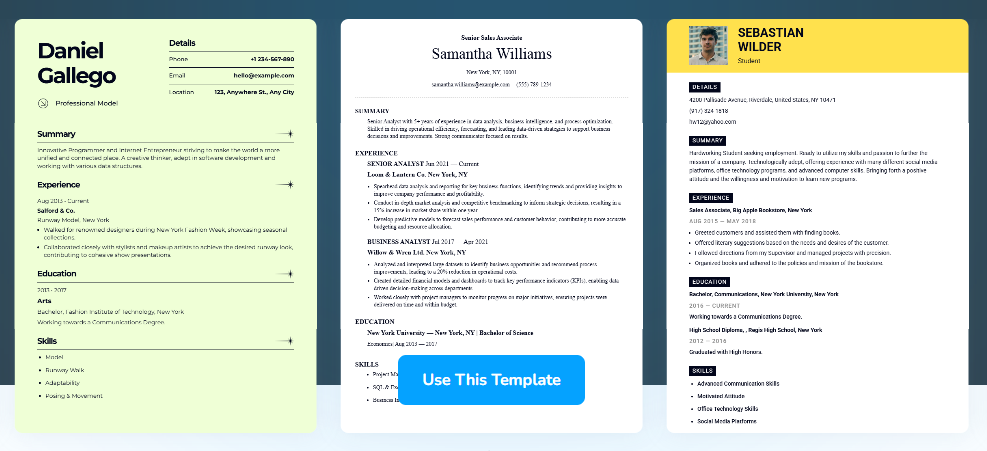
Formatting your CV correctly is essential if you want to make a good impression on South African employers. A well-formatted CV is easy to read, looks professional, and helps hiring managers find the information they need quickly.
Start by keeping your CV clean, simple, and organized. Use clear section headings such as Personal Information, Education, Work Experience, and Skills. Choose professional fonts like Arial, Calibri, or Times New Roman in sizes 11–12, and keep consistent spacing throughout the document. Avoid bright colors, borders, or unnecessary graphics that can make your CV look unprofessional.
Keep your CV length between two to three pages, depending on your experience. Always save it in PDF format before sending it to ensure the layout doesn’t change when opened on another device.
Finally, make sure your CV is well-structured with the most important details like contact information and a professional summary near the top. A clear, polished format helps you stand out and shows employers that you pay attention to detail a quality every hiring manager values.
5. Tailor Your CV for Each Job
One of the most effective ways to increase your chances of landing an interview is to tailor your CV for each job you apply for. Sending the same generic CV to every employer may seem easier, but it often fails to highlight how your skills match the specific job requirements. Employers in South Africa look for candidates who show a clear understanding of their company’s needs and demonstrate genuine interest in the role.
Start by carefully reading the job description and identifying key skills, qualifications, and responsibilities mentioned in the listing. Then, adjust your professional summary, skills, and work experience sections to match those requirements. For example, if the job emphasizes teamwork and communication, highlight achievements that demonstrate these abilities.
It’s also helpful to use keywords from the job advert, as many companies use applicant tracking systems (ATS) to screen CVs. Including relevant keywords improves your chances of your CV being noticed.
Finally, make small changes to reflect the company’s tone and culture. For instance, a creative role might allow for a more modern CV design, while a corporate position would require a more formal layout. By customizing your CV for each opportunity, you show that you’ve done your research and are serious about joining that specific organization a quality every employer values.
6. What to Avoid When Writing Your CV
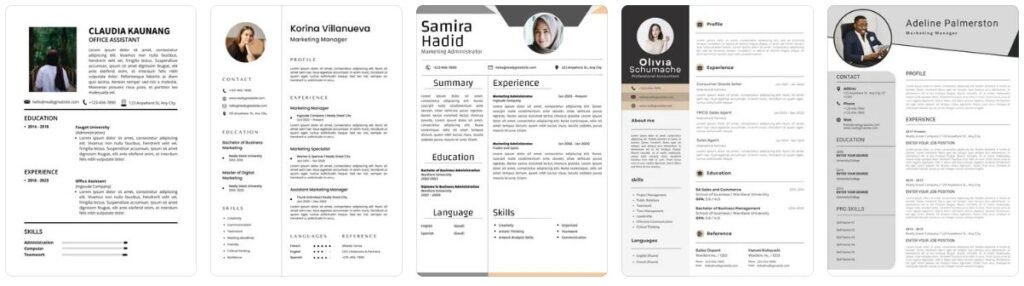
When creating your CV, it’s just as important to know what not to include as it is to know what to include. Many job seekers lose great opportunities because of small, avoidable mistakes. A professional CV should be clear, truthful, and relevant to the job you’re applying for.
First, avoid spelling and grammar errors they can make your application appear careless. Always proofread your CV or use online grammar tools before sending it out. Next, don’t use an unprofessional email address; instead, create a simple one using your name (for example, mogirl.011@gmail.com).
You should also avoid adding personal details that are not required for the job, such as your religion, marital status, or political views. These details do not affect your ability to perform the job and can make your CV look outdated.
Keep your CV concise and focused two to three pages is ideal. Avoid large blocks of text or fancy fonts that make it hard to read. Stick to professional fonts like Arial or Calibri. Also, never copy and paste job descriptions word for word; instead, describe your own experiences and achievements in your own words.
Lastly, don’t exaggerate or include false information. Employers often verify details during background checks, and honesty is always appreciated. By avoiding these common mistakes, you’ll create a clean, professional CV that leaves a strong and positive impression on employers.
7. CV Examples for Different Experience Levels
a. Student or Entry-Level CV Example
If you have limited experience, focus on:
- Education and coursework
- Extracurricular activities
- Volunteer work
- Transferable skills
Example Professional Summary:
“Energetic and dedicated university graduate with a strong academic record and passion for marketing. Skilled in teamwork, research, and communication. Eager to start a career in digital marketing and contribute fresh ideas to a growing company.”
b. Mid-Level Professional CV Example
Focus on:
- Work experience
- Key achievements
- Leadership skills
Example Professional Summary:
“Experienced sales representative with over 5 years in the retail industry. Proven record of meeting sales targets, managing teams, and building customer loyalty. Looking to advance into a management role.”
c. Senior-Level CV Example
Emphasize:
- Leadership and management experience
- Strategic contributions
- Major achievements
Example Professional Summary:
“Seasoned operations manager with over 10 years of experience overseeing production, logistics, and team performance. Skilled in process improvement and cost reduction, with a passion for developing efficient business strategies.”
8. How to Write a Cover Letter in South Africa
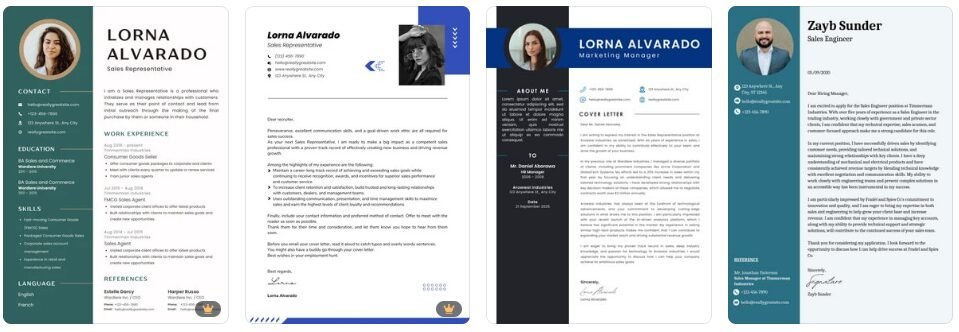
A cover letter is an important part of your job application in South Africa because it allows you to introduce yourself personally to potential employers. While your CV outlines your skills and experience, your cover letter explains why you’re interested in the job and how your background makes you a strong candidate. It gives you the opportunity to show personality, professionalism, and enthusiasm qualities that can help you stand out from other applicants.
When writing a cover letter, keep it short and focused, ideally one page. Start with your contact information and the date, followed by a professional greeting (for example, “Dear Hiring Manager” or “Dear [Company Name] Recruitment Team”).
In the opening paragraph, mention the job title you’re applying for and where you found the listing. The body paragraphs should highlight your most relevant skills and achievements, connecting them directly to the job requirements. Use this section to show how your experience can benefit the company.
End your letter with a polite and confident closing, such as:
“I look forward to the opportunity to discuss how my skills and experience can contribute to your team’s success. Thank you for considering my application.”
Before sending, always proofread your cover letter to check for grammar or spelling errors. A well-written cover letter demonstrates professionalism and genuine interest, which can greatly increase your chances of being invited to an interview.
9. Where to Find Free CV Templates in South Africa
If you’re unsure about formatting, you can use free templates from:
- Microsoft Word (built-in templates)
- Canva.com – offers customizable professional designs
- Indeed.com – has a CV builder for free
- Google Docs – provides clean, modern layouts
Always personalize the template to suit your skills and industry.
10. Final CV Writing Tips

Before submitting your CV, it’s worth reviewing a few final tips to make sure it’s polished, professional, and ready to impress South African employers. These small details can make a big difference in helping you stand out among other applicants.
First, keep your CV simple, honest, and clear. Avoid overcomplicating your layout or using unnecessary graphics. Employers appreciate a document that is easy to read and well-organized. Next, use action verbs such as “managed,” “developed,” or “coordinated” to make your achievements sound confident and result-driven. This helps your experience sound more impactful and engaging.
Always proofread your CV multiple times before sending it. Even a small spelling or grammar mistake can leave a poor impression. You can also ask a friend or mentor to review it for feedback. In addition, update your CV regularly include new roles, certifications, or achievements to keep it current.
If you have a LinkedIn profile, add the link to your contact details. Many employers use LinkedIn to learn more about candidates and verify professional experience. Finally, always save and send your CV as a PDF to preserve the formatting.
By following these final CV writing tips, you’ll present yourself as a well-prepared and detail-oriented professional. A carefully crafted CV not only shows your qualifications but also reflects your dedication and readiness to succeed in the workplace.
11. Conclusion
Learning how to write a CV in South Africa is one of the most important steps in your job search journey. Your CV is your personal brand it reflects your skills, experience, and potential. By following this guide and avoiding common mistakes, you can create a professional CV that captures attention and opens doors to new opportunities.
Remember: keep it clear, concise, and tailored to each job. With effort and the right structure, your CV can help you land the interview and ultimately, the job you deserve.